

When the rush hits, your griddle has to come up fast—and stay put. A weak heat profile doesn’t just drag service; it gives you uneven cooking, inconsistent doneness, and a grease pan that’s a nightmare to manage. If your deck oven, rotary oven, or convection setup shares heat load with a griddle station, the heating tube under the plate is where performance, hygiene, and uptime all meet.
What matters under the steel
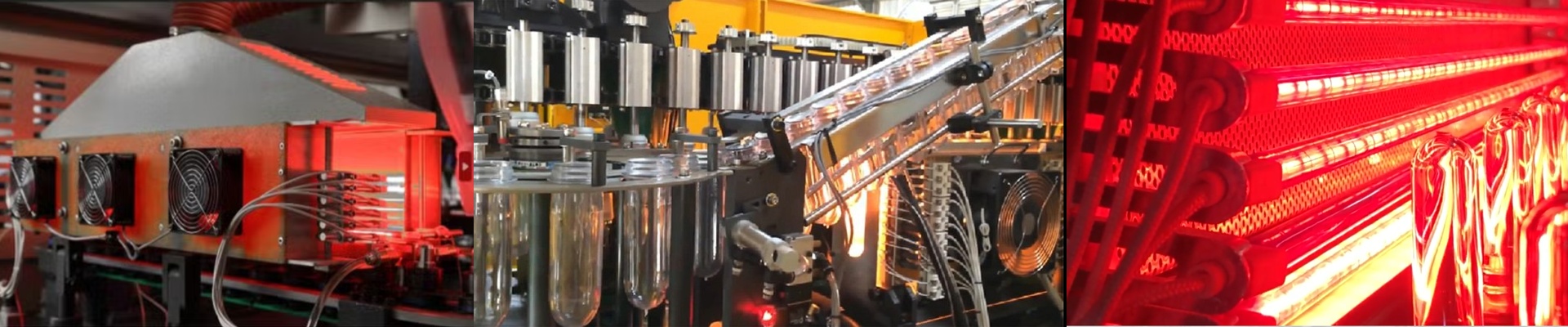
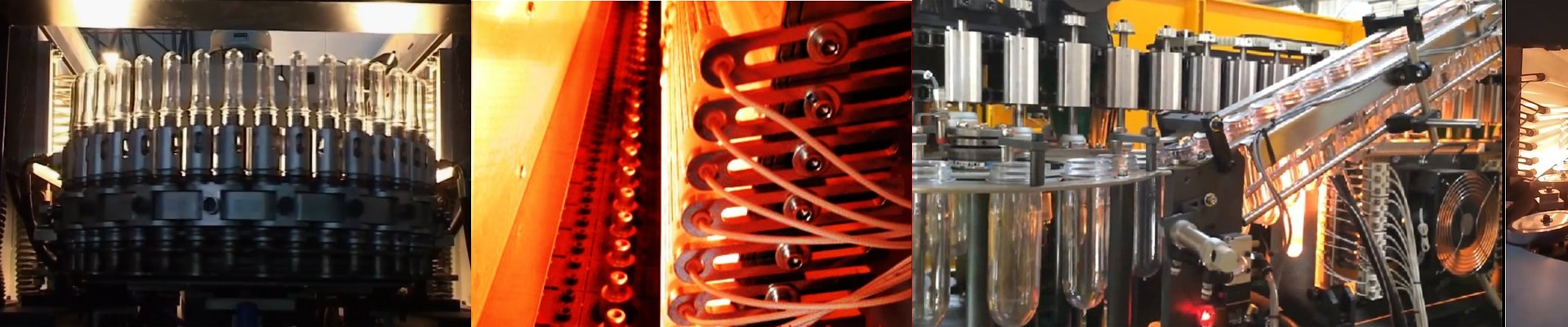
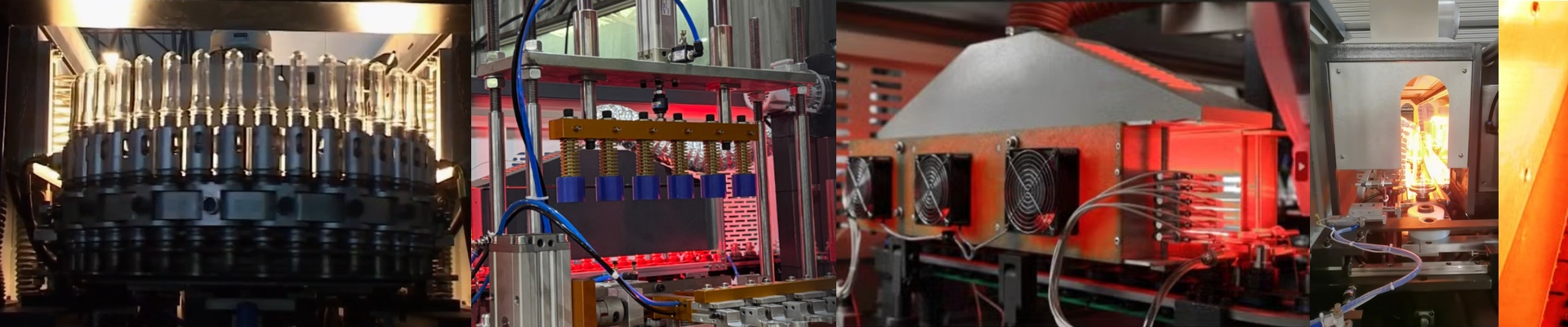
We build the food-safe heating tube for griddles as a quartz-based radiant element. The reason is simple: fast response and even energy distribution across the steel. You get predictable watt density matched to common griddle plate thickness, so the plate recovers quickly after a cold plate hits the surface—without hot spots that scorch batter or leave proteins underdone. It runs on standard commercial voltage, with a solid terminal block and shielded wiring that can take repeated thermal cycling. Food safety is built in: the sheath is smooth, sealed, and cleanable, with no seams for carbon to hide in, and the mounting keeps the element aligned so clearance stays consistent.
Why this plays on a busy line
On a packed line, the griddle is your temperature control point. This tube brings the plate up fast after cleaning, settles quickly when you add cold product, and holds steady through long service windows—so every pancake, burger, and egg order leaves the pass with the same surface finish. That means fewer reworked tickets, fewer temperature swings, and a more consistent feel across the menu. Energy use stays sensible because the tube heats on demand and holds heat efficiently, instead of wasting power chasing an unstable setpoint.
A few shop-floor notes
Installation is straightforward, but you need to match the griddle’s thermostat and thermal mass to the element. Verify your control range and plate thickness, and confirm clearance around the tube so airflow and cleaning tools can do their job. And while the sealed design resists grease and moisture, a griddle used for heavy frying still needs daily cleaning and periodic inspection of the terminal area to keep connections tight and dry.