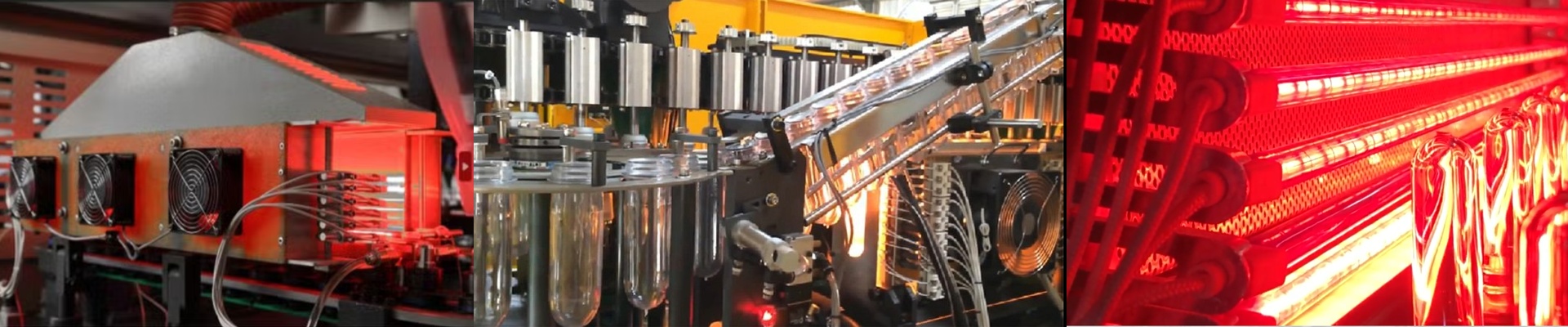
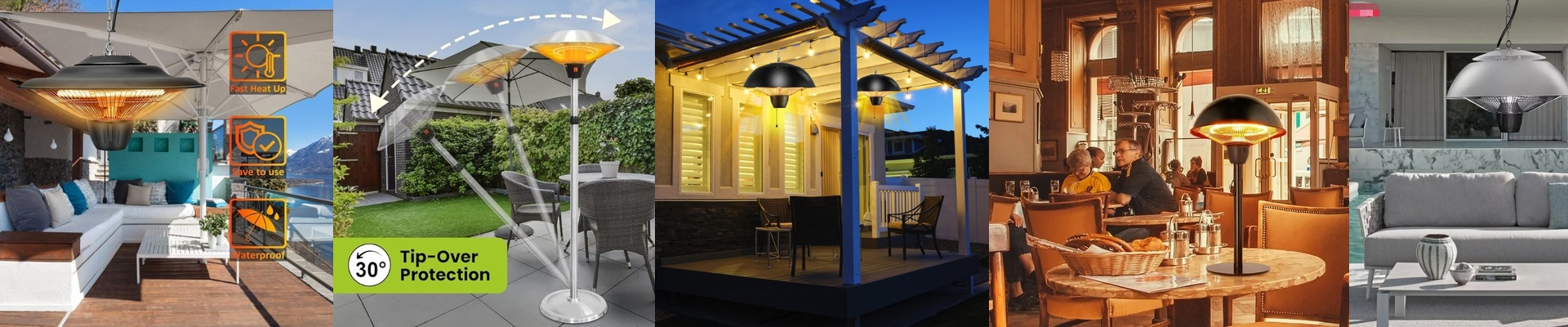
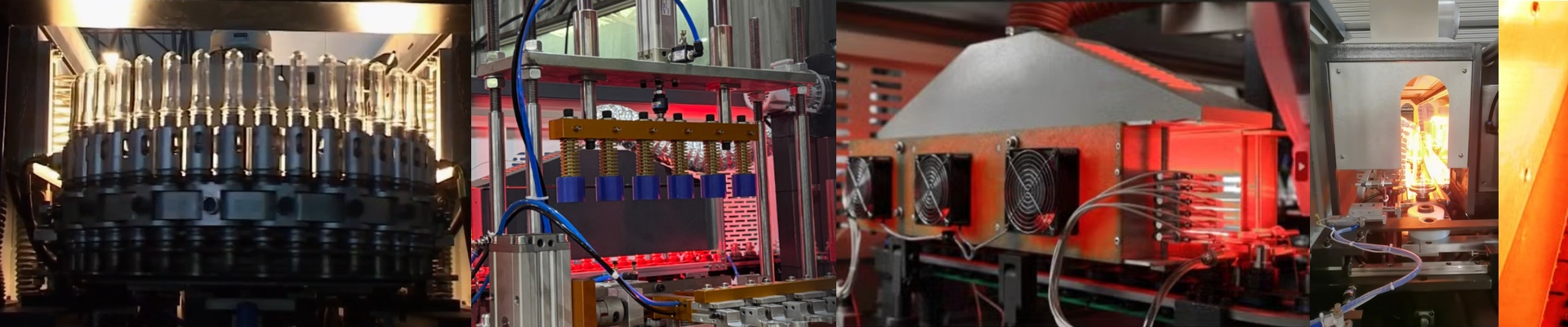
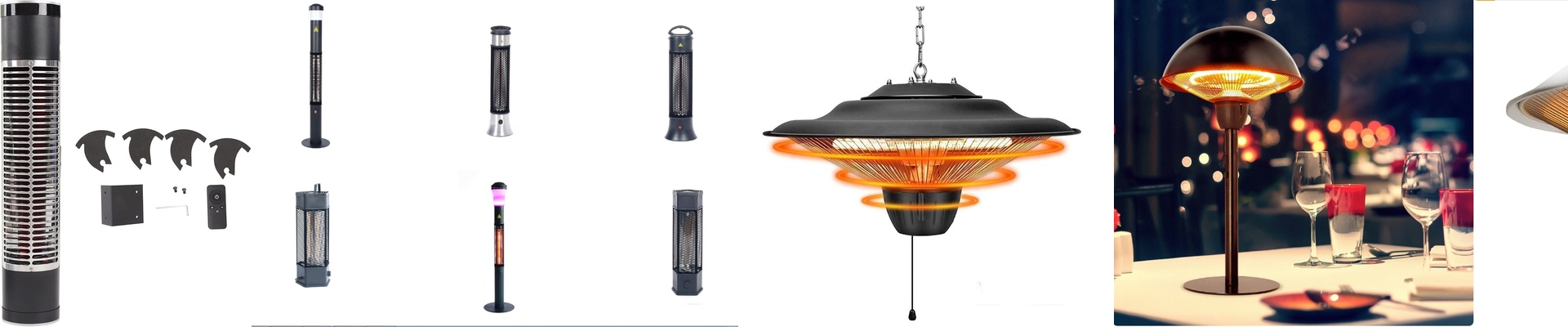
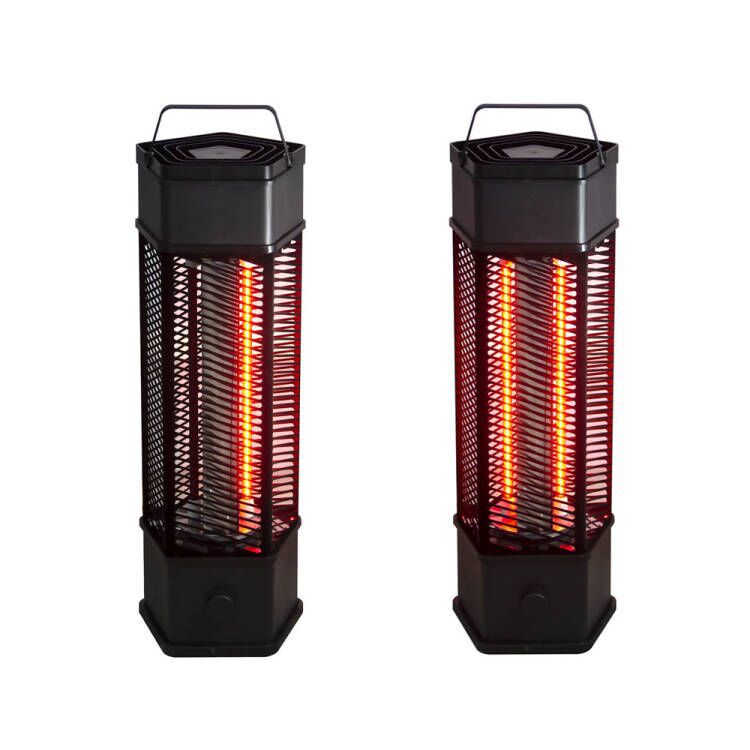
We built our Infrared patio heaters for one simple reason: to give you warmth exactly where you need it. No energy wasted heating the empty air around you. These heaters don’t work like the ones that warm the air. They send heat straight to people and objects through infrared radiation. So even if the wind is picking up, you still feel that immediate, comforting warmth.
Power, voltage, and size—what you actually need to know
Our standard units run on 230V or 400V, pulling between 1500W and 2500W depending on the space you’re trying to warm. That power isn’t just for show. The heater hits full temperature in under 30 seconds. It’s fast. Really fast. The length of the emitter tube is matched to the wattage. Take a 300mm tube, for example—it focuses the heat into a tight beam, giving you serious warmth in a small area. That makes it perfect for targeting a specific seating spot. Just keep in mind, it needs a solid electrical circuit to handle the load.
The parts that make it last
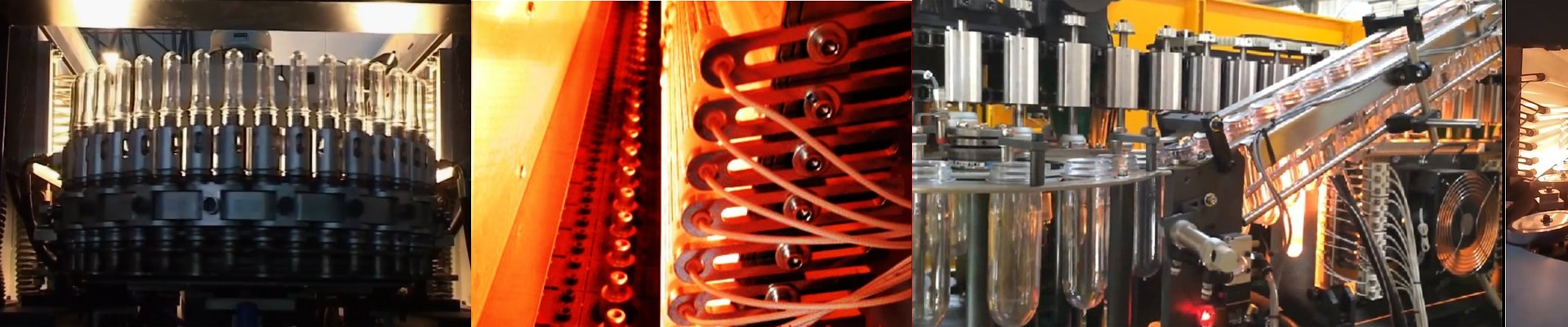
Inside, you’ve got a quartz tube filled with halogen gas. That gas protects the filament, which means a longer life and steady performance, even after countless cycles. The tube itself is coated to handle the weather and the sudden temperature shifts without cracking. For the electrical connection, we use an R7s connector. It’s a double-ended fitting that’s easy to wire, creates a secure, low-resistance connection, and handles the high current without breaking a sweat. And it’s a straight swap for standard patio heater elements.
How it feels to use, and why it works
Whether you’re running a commercial outdoor space or just want your backyard to be usable on cooler nights, these heaters are built to perform. Mount them on a wall or ceiling—done. The heat cuts right through the wind. It warms people and surfaces directly, not just the air around them. Just remember, it’s directional. You’ve got to aim it where you want the warmth. But once you do, it delivers consistent, predictable heat—every single time. And for anyone who cares about the engineering side, it’s a tough, low-maintenance system that turns on instantly and just keeps going, cycle after cycle.