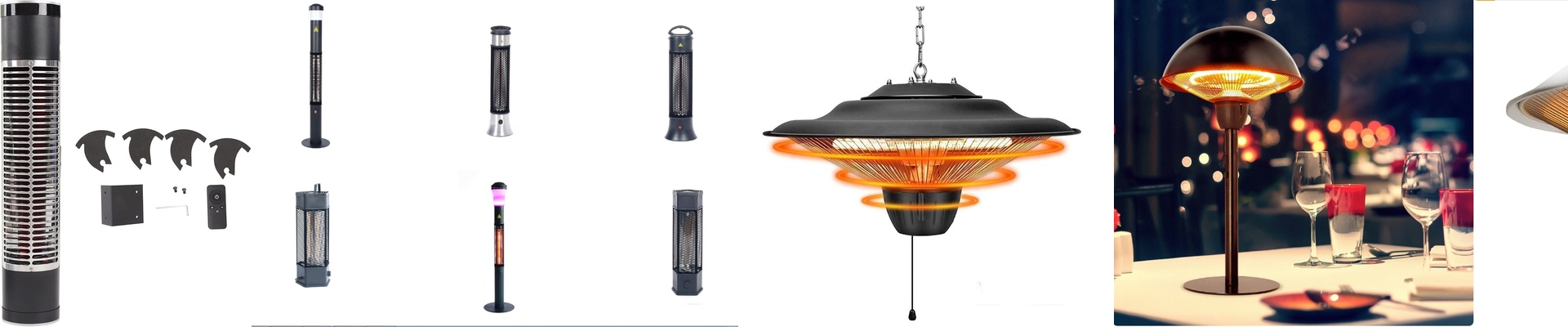
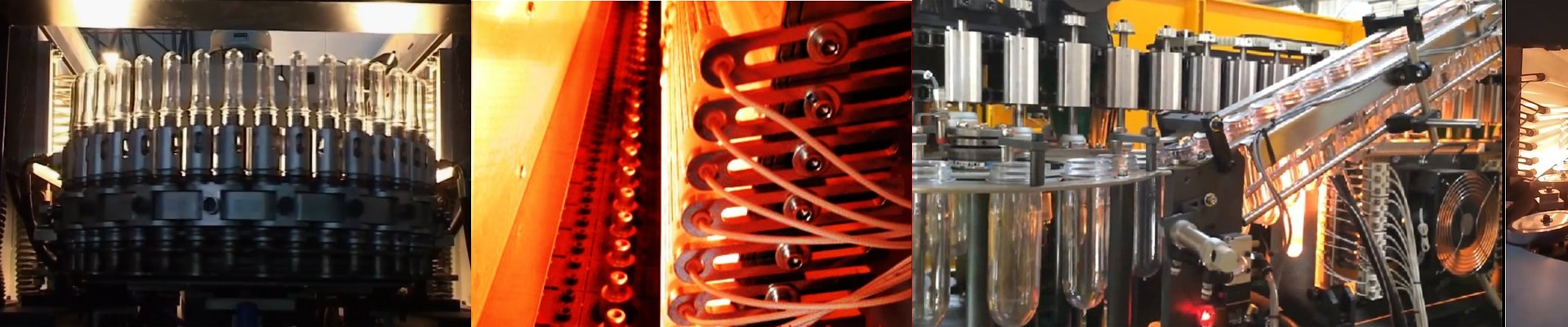
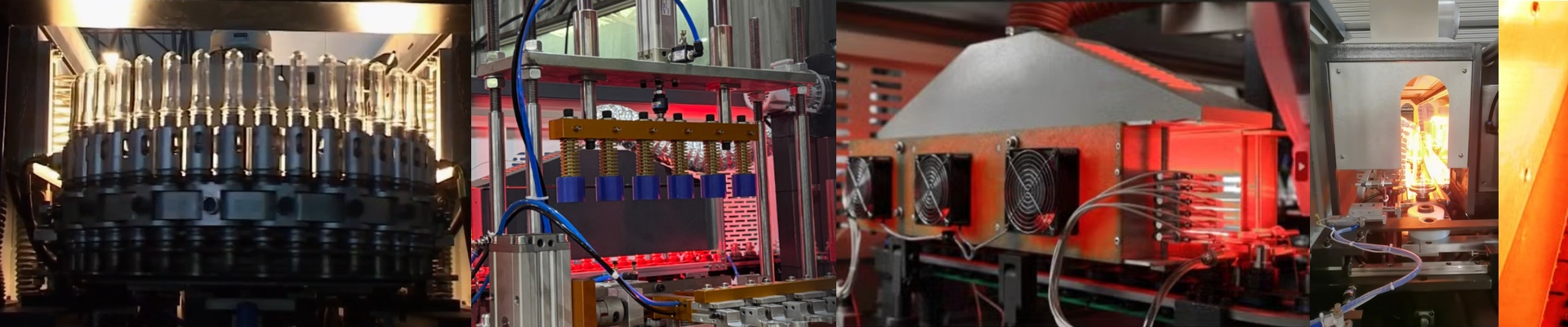
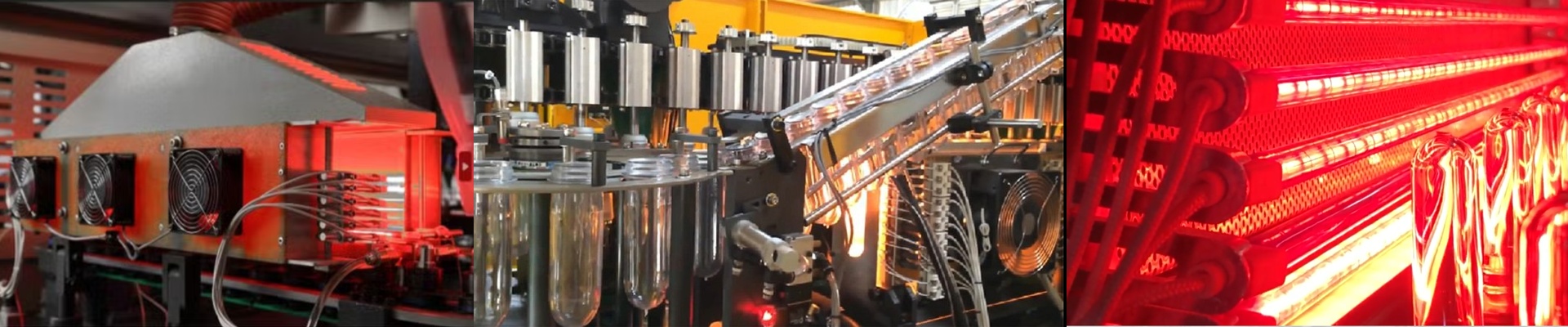

When the line is moving and orders pile up, a snack machine oven that hesitates doesn’t just burn time—it burns crispness, color, and regulars. Heat that lags gives you pale centers and scorched edges. Slow recovery kills your throughput. We built our carbon fiber infrared emitter to take that guesswork out.
What matters, under the hood
Carbon fiber infrared emitters respond instantly because the filament heats directly, without a big intermediate mass in the way. The element hits target temperature in seconds, not minutes, and cools fast when the bake cycle changes. You get an even radiation profile across the emitter surface, so heat spreads uniformly over the product—exactly what you need when small items are moving fast and every inch counts. In practice, that means tighter temperature control, quicker recovery after the door opens, and repeatable results tray after tray.
Why this makes sense in a snack machine
In snack machines and commercial ovens, speed and consistency are the same job. The carbon fiber IR emitter tightens the bake window, cuts preheat wait time, and holds setpoint stability when demand peaks. That adds up to more cycles per hour, fewer under-baked or overdone batches, and less wasted energy when things go idle. Cleanup is simpler, too. With direct heating, there’s no open coil to trap grease and debris, so routine cleaning is faster and safer.
The details that keep it running
Installation is straightforward, but these emitters don’t like mismatched voltage or mounting clearances. Match the rated voltage, verify the connector type, and keep the specified gap to the product path to avoid hot spots. They perform strong in dry, high-cycle environments. In high-humidity or heavy-steam conditions, shield the terminal connections and wiring appropriately. Run a short warm-up calibration after replacement, and you’ll keep the bake profile where you want it.