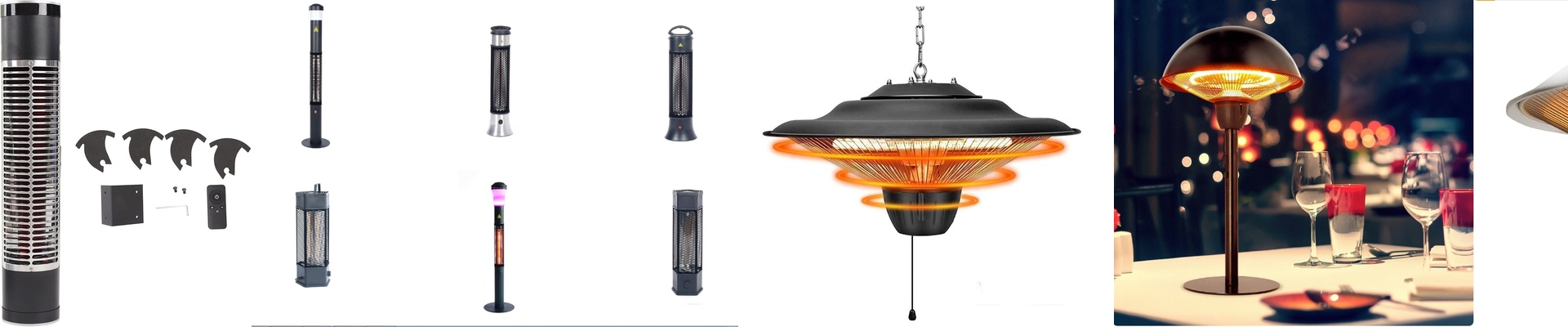
When the evening takes a sharp turn, you don’t want to wait around for warmth. You want heat that shows up the second you flip the switch, feels natural, and holds steady without chasing the thermostat. That’s exactly what the newer smart infrared heaters are built to deliver—pairing a convincing fake flame look with heat that’s engineered, not theatrical.
What’s actually under the hood
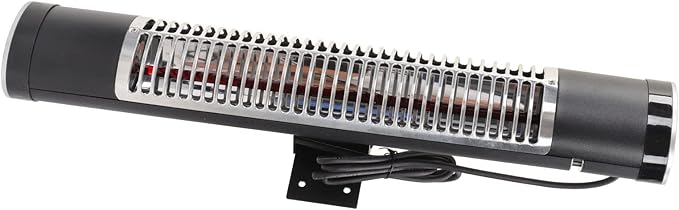
We built this around radiant infrared, so you get warmth the instant it’s turned on. The core is a high-efficiency quartz tube paired with a carbon fiber element—chosen because it heats up fast, outputs evenly, and has the longevity we look for in field-proven components. A wide reflector spreads the output, so comfort covers a broader footprint instead of boiling one spot and leaving the rest cold. The “fake flame” isn’t just for show. It throws a gentle, flickering glow that sets the mood while keeping the heat predictable and easy to manage. For practical control, an integrated thermostat holds temperature steady, and safety is covered with tip-over protection and an IP rating rated for covered outdoor use.
Why this approach fits real outdoor spaces
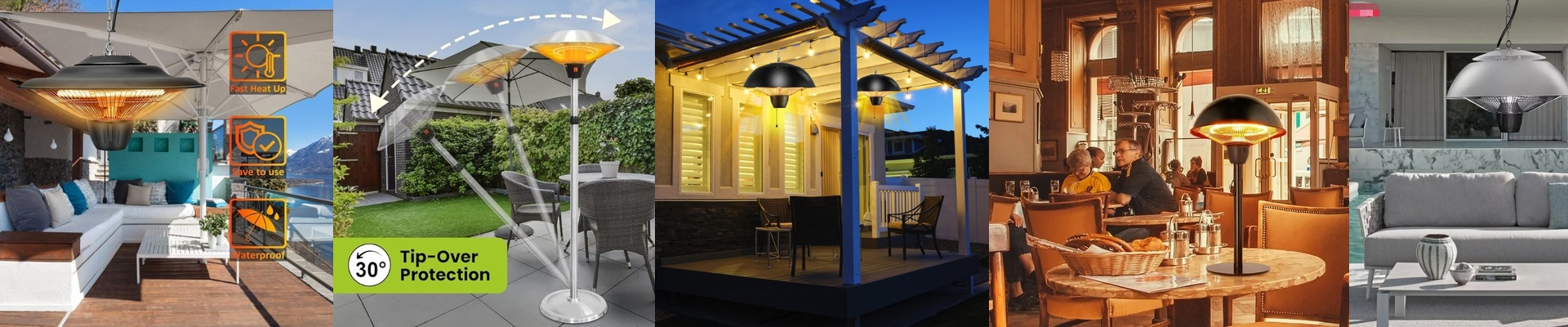
This is the kind of heating that makes sense when you’re stretching the season on a patio, deck, or under a pergola. Infrared warmth targets people and surfaces directly, so you feel cozy even when the air is still cold. The unit can adjust output to match conditions, which helps smooth out energy swings and keeps the space feeling stable instead of cycling hot and cold. You’re not just buying comfort. You’re buying routine—outdoor dinners that don’t cut off early, conversations that keep going, and a usable living area on more nights than you’d expect.
The install and use details that matter
For the best performance, keep the heater in a sheltered outdoor spot. The IP rating handles weather, but direct exposure to driving rain or heavy snow will shorten service life. It needs a dedicated outlet, and you want it positioned so the reflector isn’t blocked by furniture or walls. The fake flame adds atmosphere, sure—but the infrared output is what does the heating.Positioning matters as much as the design.