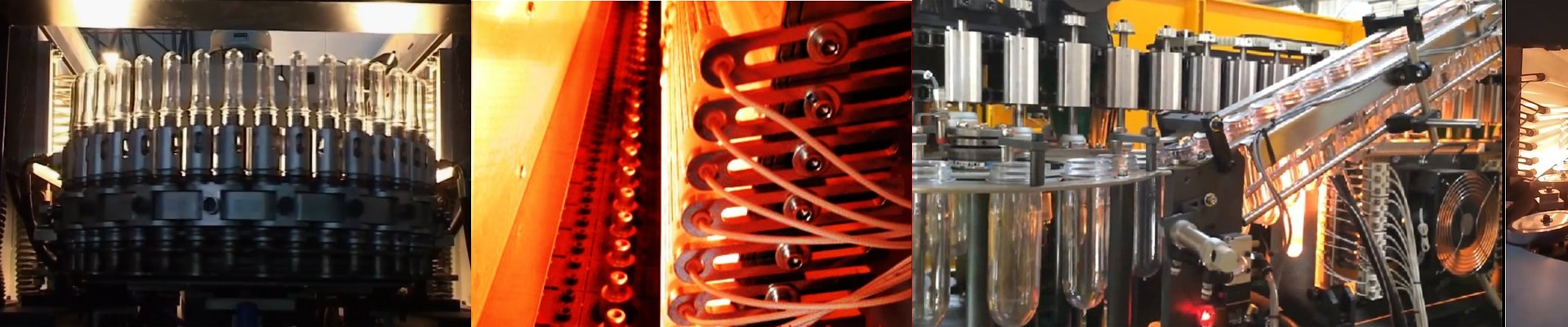
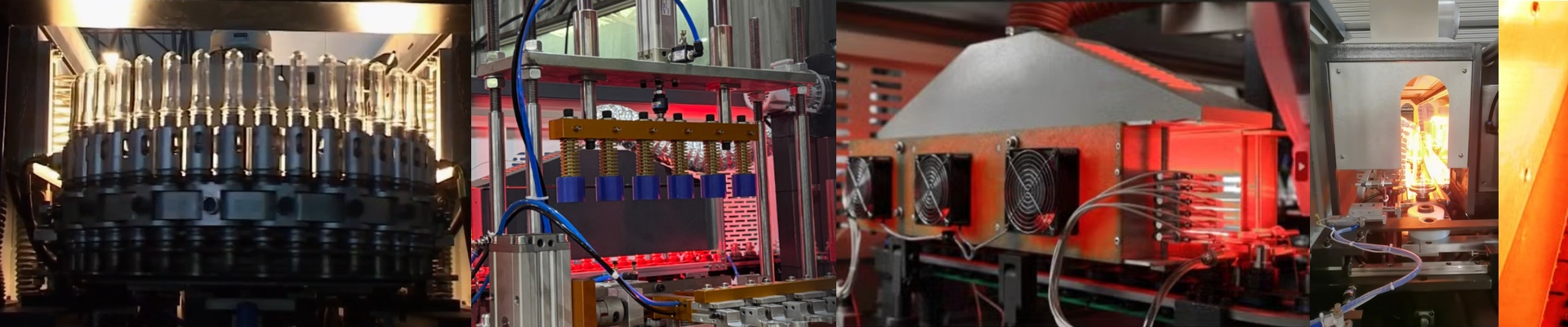
A faint bloom on display glass. A speck of dust drifting onto a sensor. Out on the floor or in a tight lab, even the slightest air movement or grit can wreck a shot, a reading, or a finished product. You need heat that stays in the background.
What actually matters under the hood
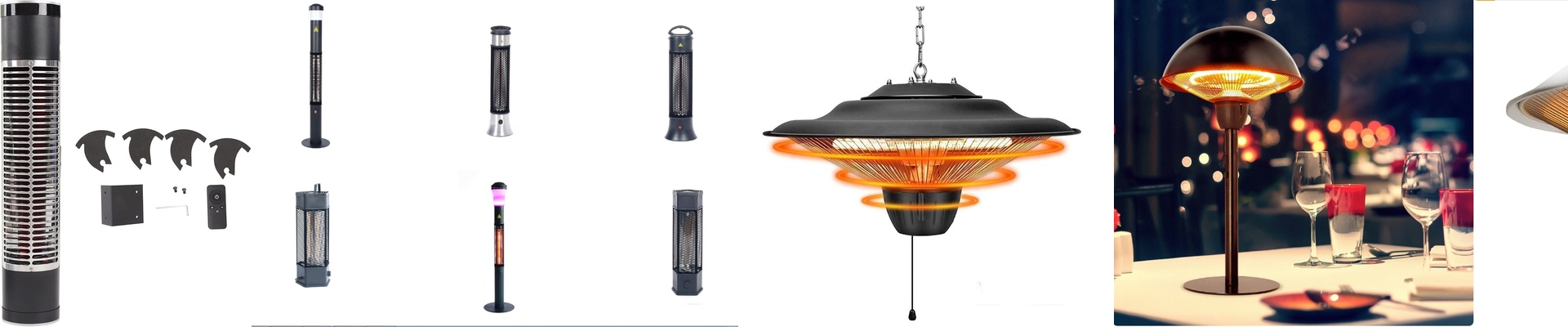
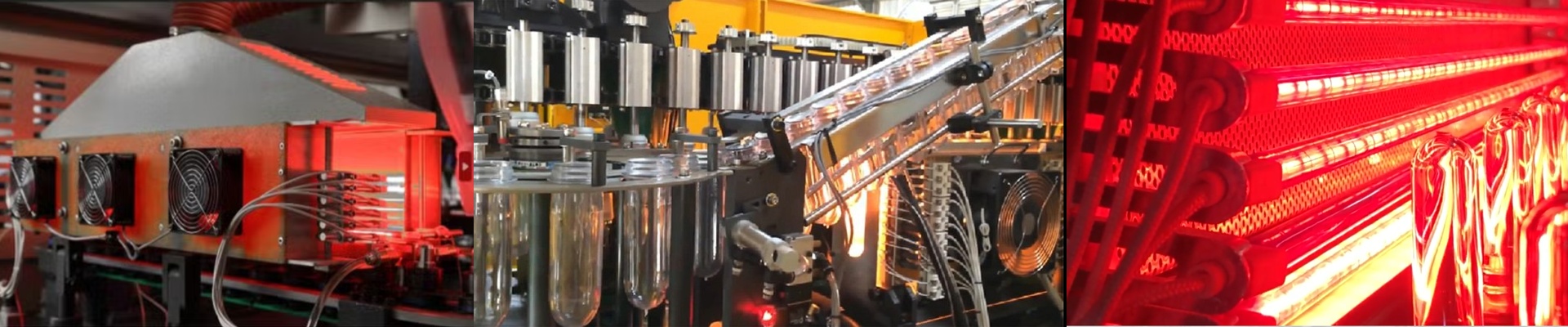
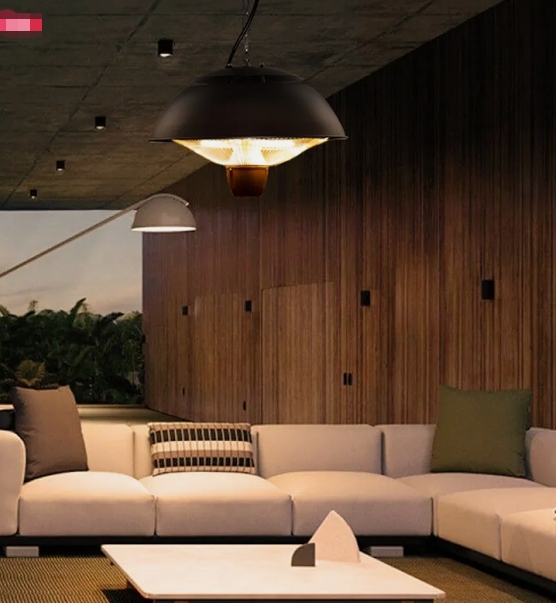
We lean on quartz tube elements in these low-light infrared heaters because they deliver radiant heat with minimal visible glow. The light stays low, so glare doesn’t bleach colors or throw off focus. Heat hits fast, and there are no fans to kick up dust. In practice, you get a stable microclimate around delicate pieces and instruments, and the temperature control keeps up when conditions shift.
Why this approach fits the job
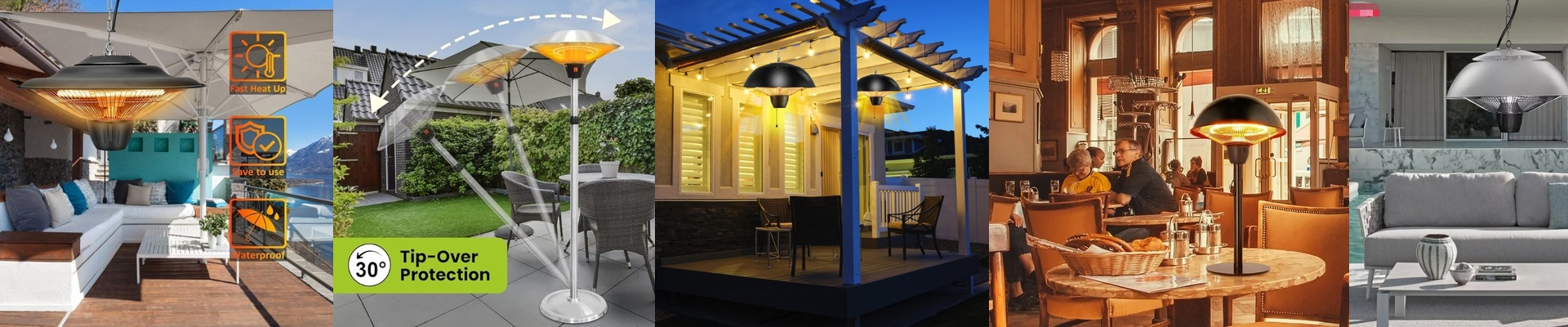
In a display window, you keep the view clean and unobstructed. In a lab, you get a quiet envelope of warmth that doesn’t ruffle airflow. That means fewer contaminants, steadier readings, and less rework. Because the heat is directional, you aim energy where you need it, which helps keep operating costs predictable.
The practical details you’ll want to get right
Plan for line-of-sight placement and keep clearances open for safe operation. These are electric heaters and straightforward to wire, but surfaces do get hot, so mount away from direct contact with heat-sensitive materials. If your space has strict lighting thresholds, verify the low-light rating against your spec. We’ve run units for 5,000+ hours with less than 5% output drop, and routine cleaning is simple. When the room has to stay clean, quiet, and controlled, low-light infrared warmth does the work without crowding the space.