Indoor Electric Halogen Heaters: The Real Deal Behind 400V, 2500W, and the R7s Connector
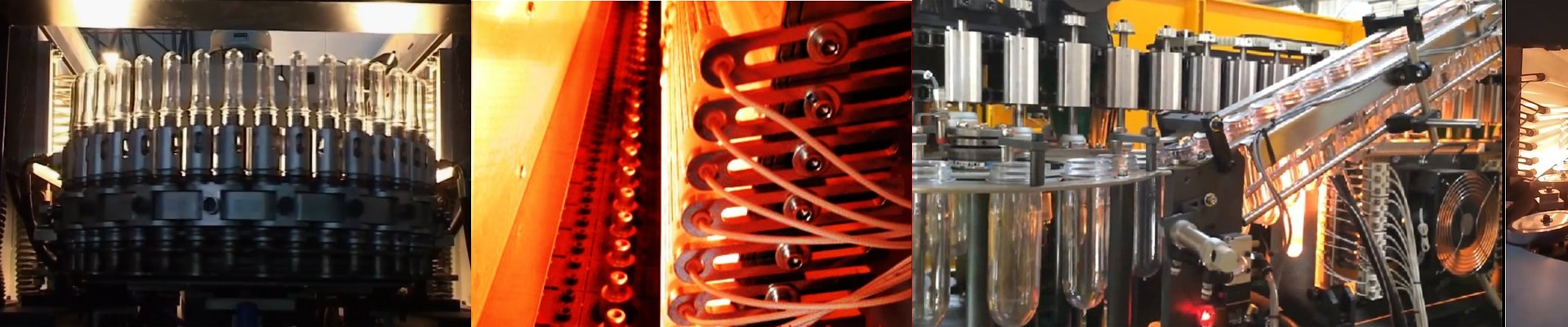
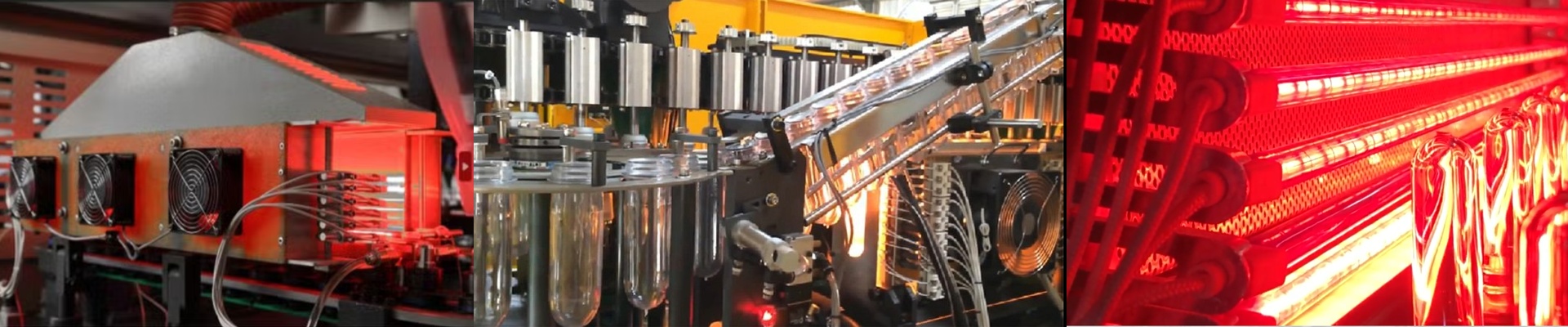
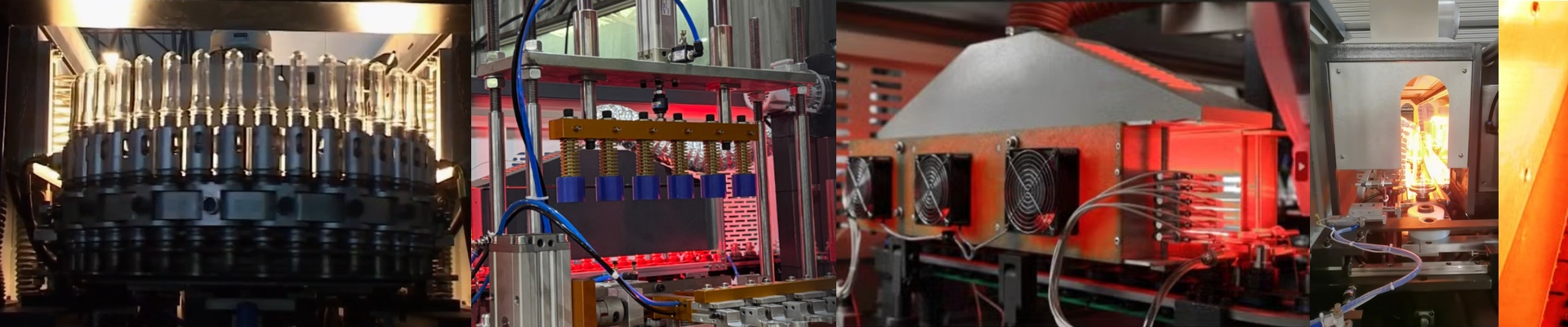
Let’s get straight to it. We built these indoor electric heaters to be serious workhorses—compact powerhouses that deliver intense heat, not just some glorified light bulb. Because when space is tight and you need control you can trust, that’s exactly what you need.
The Power Behind the Heat: 400V, 2500W, and the 300mm Tube
Here’s the thing about that 400V, 2500W rating. It’s all about packing a serious punch into a small package. We’re talking about a 300mm tube that cranks out a ton of heat. Running at a higher voltage means the current is lower for the same power. And that’s a good thing. It keeps the wiring thinner and cooler, which is a huge win for reliability. That 2500W output, all squeezed into 300mm, means you get intense, focused energy. It heats up small zones fast. Perfect for when your machine has a small footprint, but you still need to hit temperature quickly and keep things moving.
What’s Inside: Halogen, Coating, and the R7s Connector
The heart of it is the halogen element. It runs hotter than a standard filament, and the quartz envelope is built to handle that kind of heat without blinking. Then there’s the reflective coating. It doesn’t just look cool—it works smart, redirecting infrared energy forward. This cuts down on wasted heat and makes the whole unit more effective. And the R7s connector? It’s a simple, industrial two-pin design that makes these heaters a straightforward, drop-in replacement. It holds everything in place, prevents hot spots, and keeps the lamp steady, even when things get a little shaky.
What It Feels Like to Use: Fast, Reliable, and Right-Sized
When you need indoor heating, you don’t want to be stuck with bulky hardware that does too much. This setup is all about reliability in a compact form. You get fast response, consistent output, and a footprint that actually fits. Now, a heads-up: packing 2500W into 300mm means it runs hot. So you’ve got to make sure your enclosure and cooling are up to the task. But for engineers, that trade-off is worth it. You can hit your target temperature fast, keep the process moving, and when it’s time for a swap, the job is quick and easy.