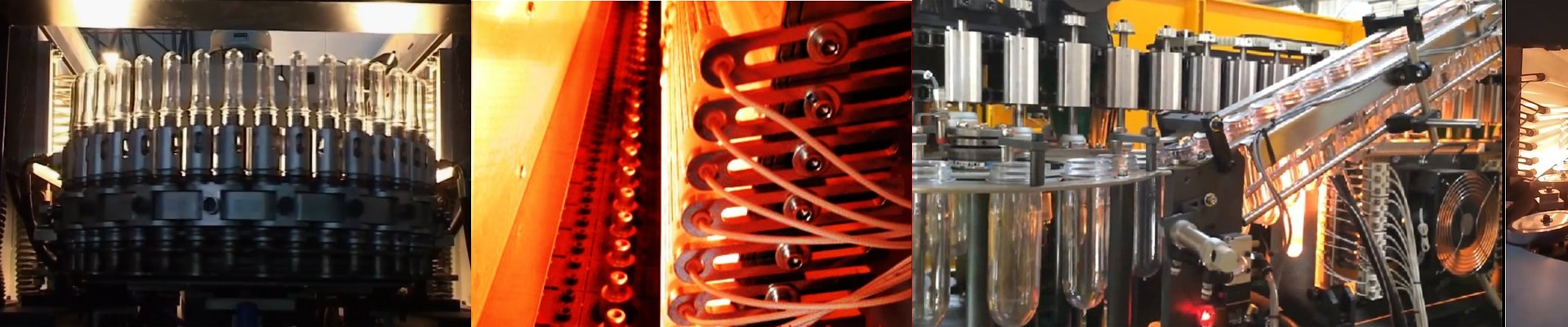
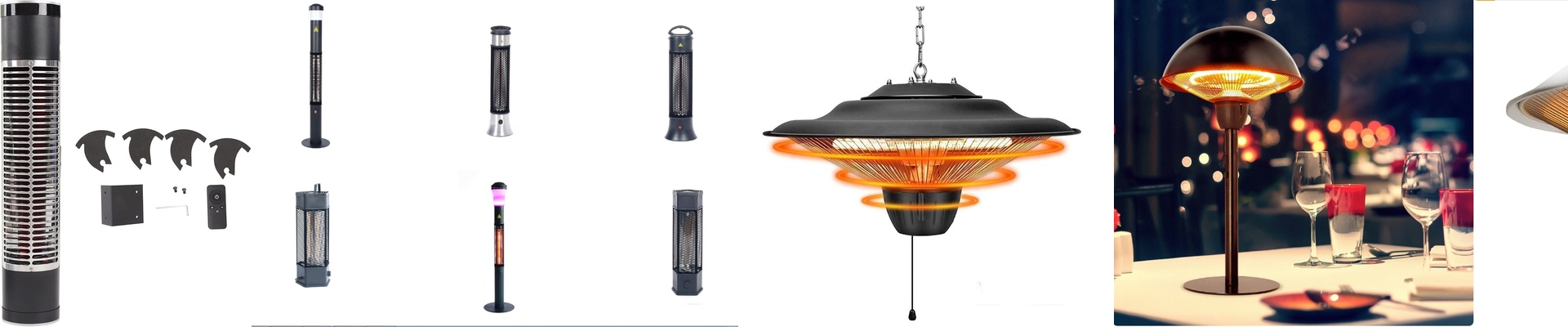
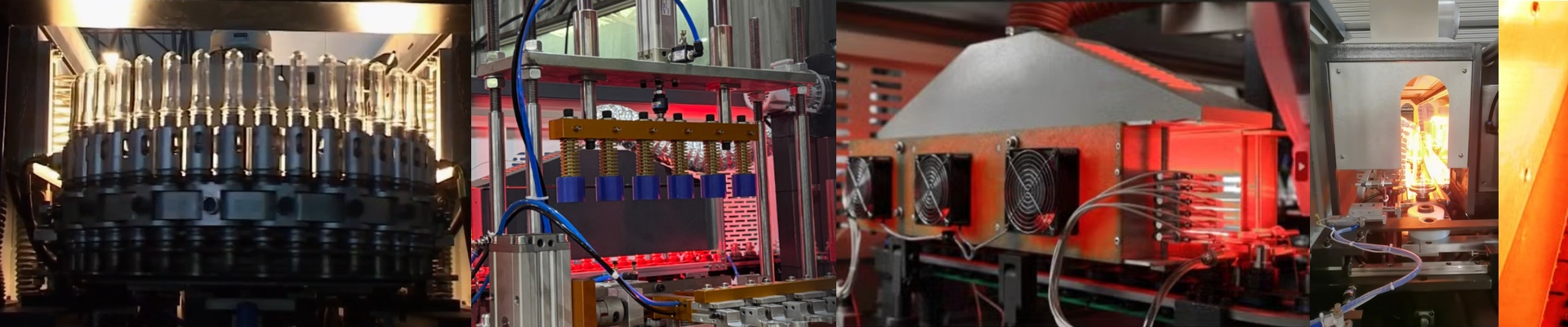
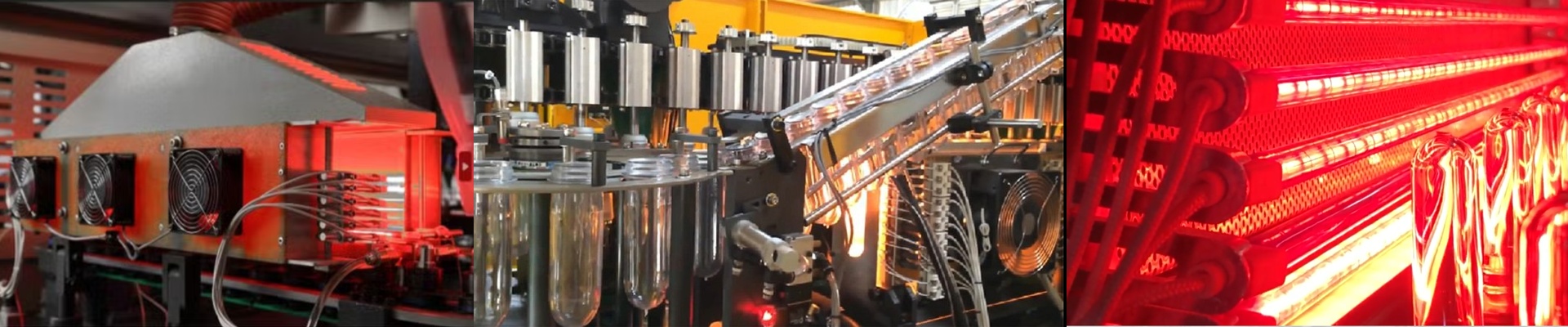
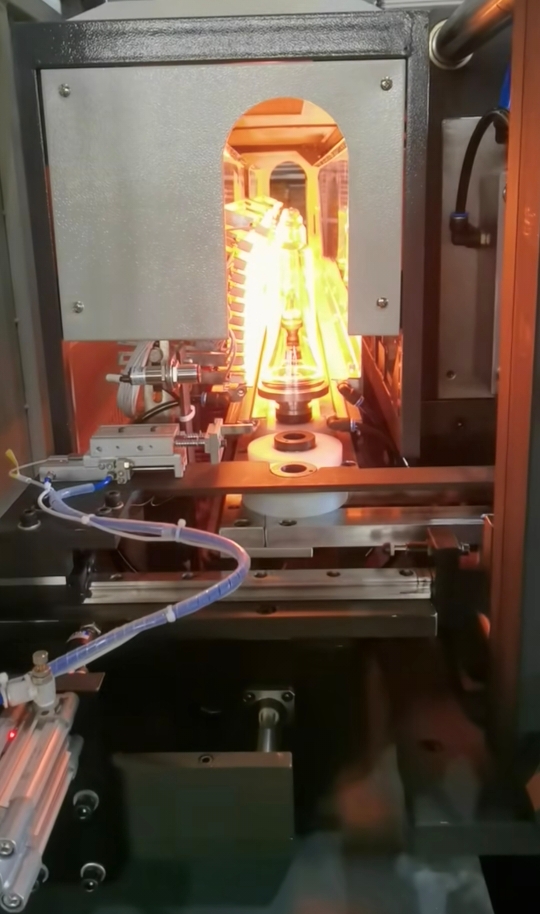
On the blow molder, uneven preform heating shows up immediately: bottles with thin spots, crystallized necks, or a weak biaxial stretch. When the heating tunnel can’t hold setpoint, scrap piles up and restarts eat into uptime. A PID temperature controller for PET gets the heat profile back under control—stable, repeatable, and matched to the machine. What matters, technically We built the controller around a PID algorithm tuned for infrared heating, so response is quick without overshoot. It supports halogen and quartz short-wave emitters, with standard 24 VDC control outputs and a 4–20 mA input for temperature feedback from the heating zone. Resolution is 0.1 °C, repeatability is within ±0.5 °C, and the auto-tune function cuts setup time when you change preform wall thickness or resin grade. The interface keeps it clean: setpoint, actual, and alarm status, so operators can adjust without guesswork. Why it works on the line In stretch blow molding, consistent preform surface temperature is what buys you uniform wall distribution and stable bottle weight. The PID controller holds zone temperatures steady, so you cut the drift that produces off-spec bottles. In practice, that translates to fewer line stops and less scrap. Plants running 24/7 get more predictable output and fewer heating-related rejects—especially when switching between lightweight and heavy-duty designs. Here’s what to keep in mind Installation is straightforward, but the controller has to match the emitter type, voltage, and connector used in your heating tunnel—often an R7s. Zones with heavy airflow or dirty reflectors can still introduce measurement noise, so check sensor alignment and reflector cleanliness during routine maintenance. Pair the controller with the right emitter for your machine, and the heating behaves the same shift after shift.