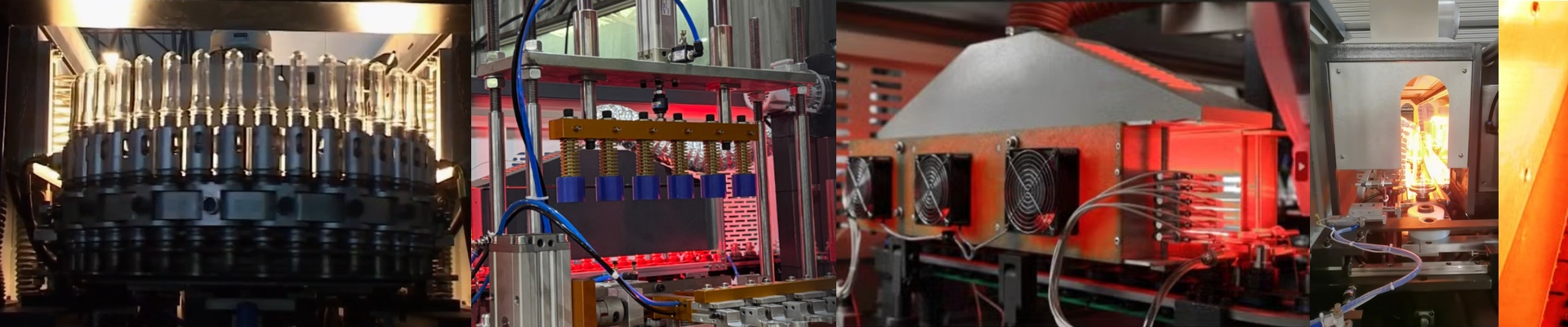
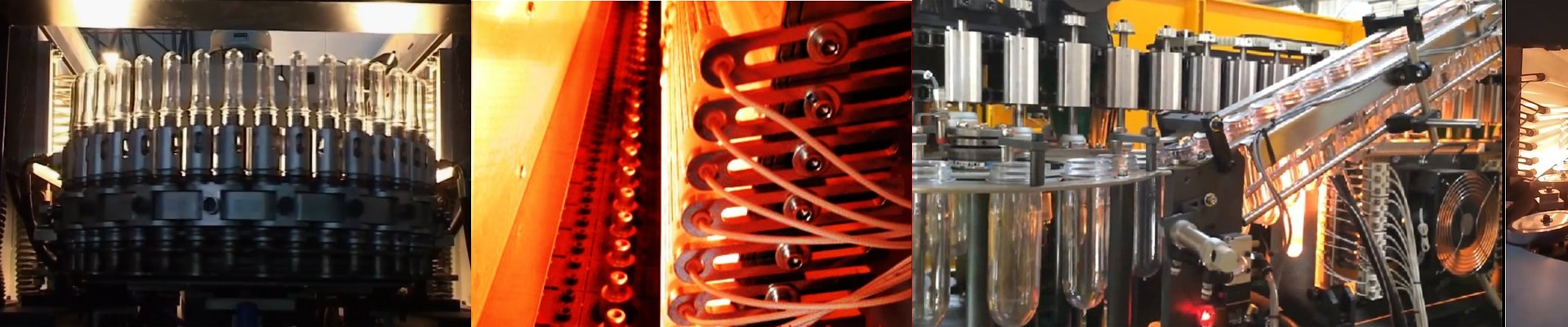
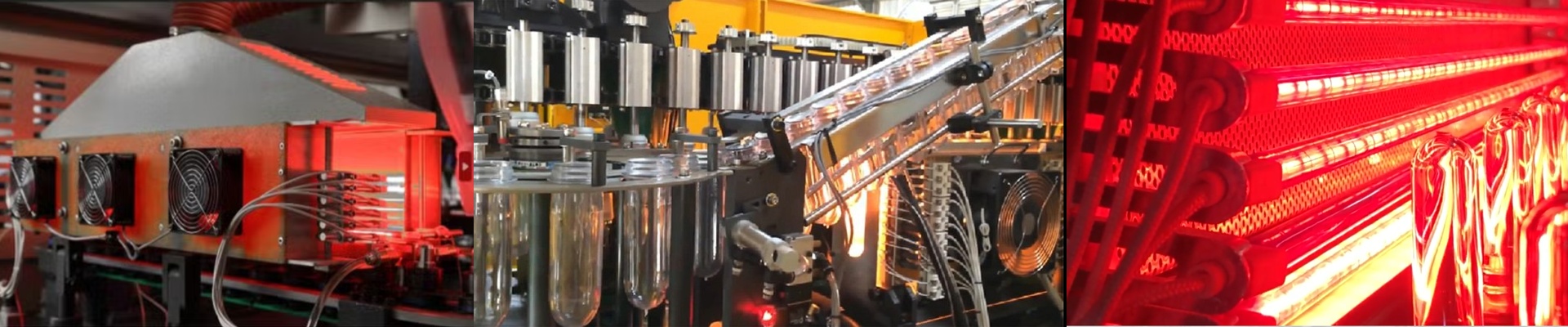
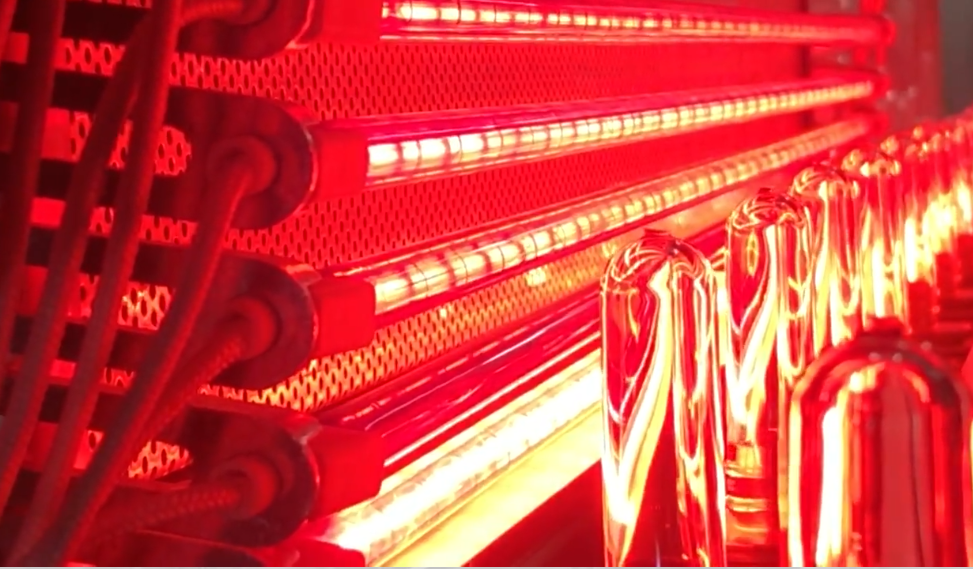
On a Sidel stretch blow molder, preform heating is the first bottleneck in the line. If the heating box is off, you’ll see uneven wall distribution, flash, and scrap. If it drifts, the oven tries to compensate, and your cycle time slips. We build Sidel preform heating box parts to get the machine back to its original thermal behavior—not just to swap in a component. What matters under the hood The core is the infrared emitter, built to Sidel’s original lamp geometry and watt density. We supply halogen and quartz short-wave emitters in the usual ratings—1000 to 1500 W—matched to the Sidel heating tunnel voltage and the connector interface, which is typically R7s. The point is stable output: the lamp holds a tight spectral peak so preforms heat the same way every time, and the filament design gives fast thermal response so you get consistent performance from dwell to dwell. Why this matters on the floor Drop in a spec-matched emitter and you cut temperature variance across the preform rows. That means less thickness variation and fewer reworks. In practice, you get fewer jams, less scrap, and output that’s easier to predict. Energy use falls because the heating box isn’t chasing setpoint drift by over-running. Plants running these replacements usually see stable heating within minutes after startup, and lamp life often hits 5,000+ hours with controlled output decay. The details that keep you out of trouble Matching wattage and voltage isn’t optional. A mismatched emitter changes the heating profile and can trip machine alarms. After replacement, expect to make minor adjustments: calibrate the heating zone setpoints and double-check reflector alignment to keep the heat pattern uniform. Keep lamp terminals clean and dry—small oxidation raises contact resistance and can shorten life. If you need exact wattage, base length, and connector details, give us your Sidel model and the existing lamp part number, and we’ll get you the right drop-in.