

Winter nights have a way of turning bedrooms into a tug-of-war between staying warm and staying quiet. Traditional heaters hum, click, and cycle on and off—noises that keep light sleepers on edge long after the lights are out. The payoff is fragmented sleep, a groggy morning, and a day that starts off-balance.
What matters, technically
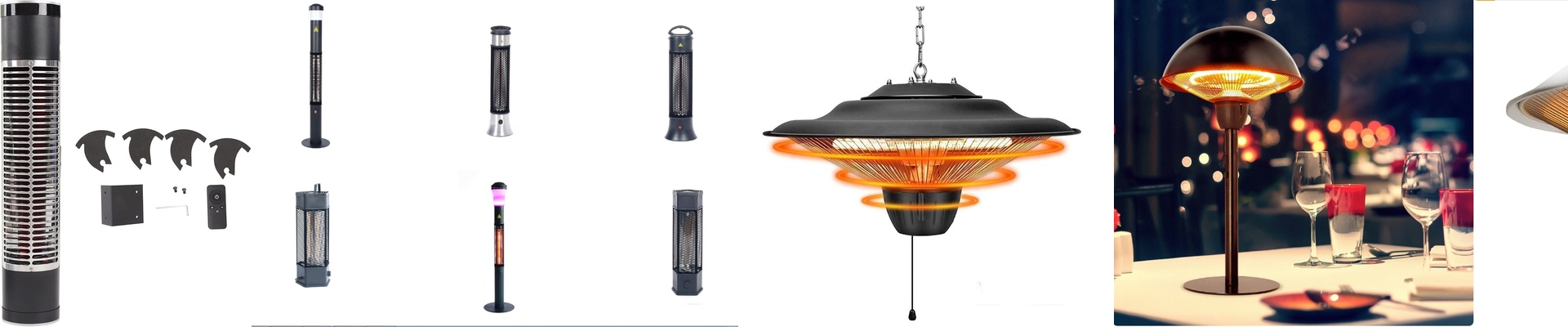
A CE-approved electric heater built around infrared warmth changes how the room heats up. Instead of blasting air around, it emits radiant heat that travels straight to people and surfaces—warming you directly, not just the air. Inside, you’ll typically find a carbon fiber element or a quartz tube that heats quickly and keeps things quiet because there’s no loud fan. If the unit uses a motor, it’s designed to run at low rpm, and the controls rely on soft-click switches rather than clattering relays. The thermostat holds temperature steady, so the heater isn’t constantly kicking on and off—the very thing that makes many mechanical units rattle. CE marking means the product meets European safety requirements for electrical construction, including protection against overheating, proper insulation, and verified safeguards.
Why it works in the bedroom
In a bedroom, quiet isn’t a perk—it’s part of the sleep toolkit. Infrared warmth delivers a gentle, even comfort that starts at the skin and works inward, helping muscles relax instead of bracing against the cold. Because the heat is directional, you feel it where you need it most, without the drafty up-and-down cycling you get from forced-air systems. That steady feel helps the body settle into a deeper rhythm, and for a lot of people, that translates to fewer awakenings and a more consistent sleep cycle. The heater also tends to be easier on the air than many convection units, so the room stays comfortable while you rest.
The details that make the difference
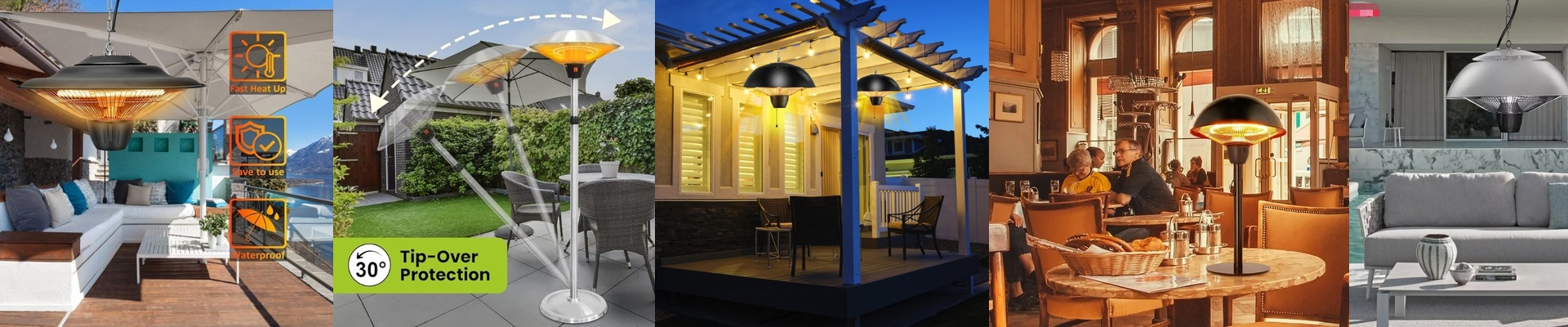
Placement matters. Keep the infrared electric heater where the beam of warmth reaches you directly, and make sure air can circulate around the unit for cooling. Maintain a safe distance from bedding, curtains, and furniture, and use the tip-over protection if your model includes it. For bedrooms, match the heater to the room’s power circuit so it runs reliably without tripping breakers. If you want the quietest experience, run the heater on a low setting and let the thermostat maintain temperature—don’t chase heat with the high power.