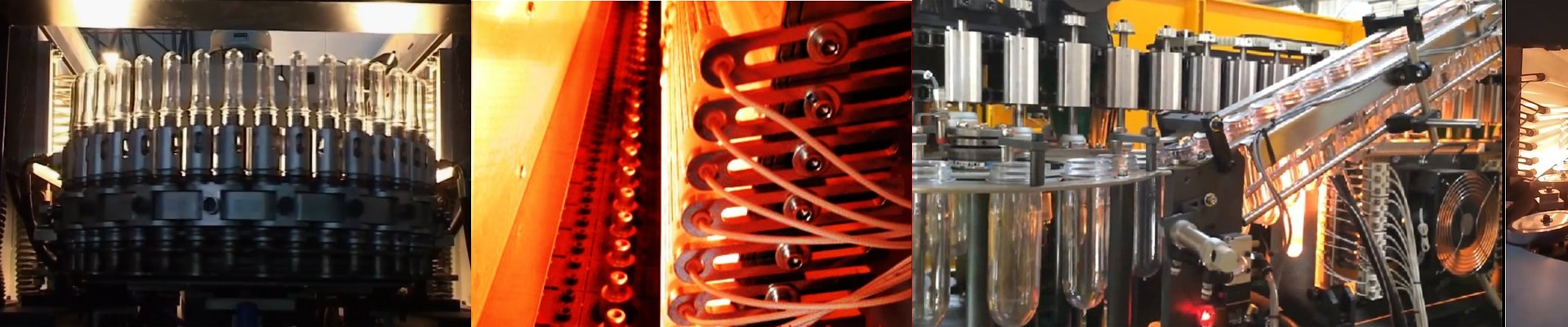
Engineering Rapid Temperature Control: The Fast-Response IR Emitter for Convection Ovens
We built this fast-response infrared emitter for engineers who are tired of waiting around for an oven to heat up. If you’re trying to get a convection oven from room temperature to 300°C, this is your shortcut. It’s not just about raw speed, either. It’s about heat you can trust—heat that hits the mark every single time, keeps your cycles on time, and never overshoots.
Technical Deep-Dive: Power, Voltage, and Dimensions
Here’s the heart of it:speed. We’re talking seconds to hit 300°C. That kind of performance comes from packing a lot of power into a compact design that fits your oven’s layout. We spec’d the tube to handle the wattage and voltage you need, so it works right out of the box with your standard industrial control circuits. No need to rewire the whole line. And the length? It’s sized to slide right into the oven zones you already have, making it a simple swap for the halogen IR emitters you’re probably using now.
Material and Design: Halogen Technology and R7s Connector
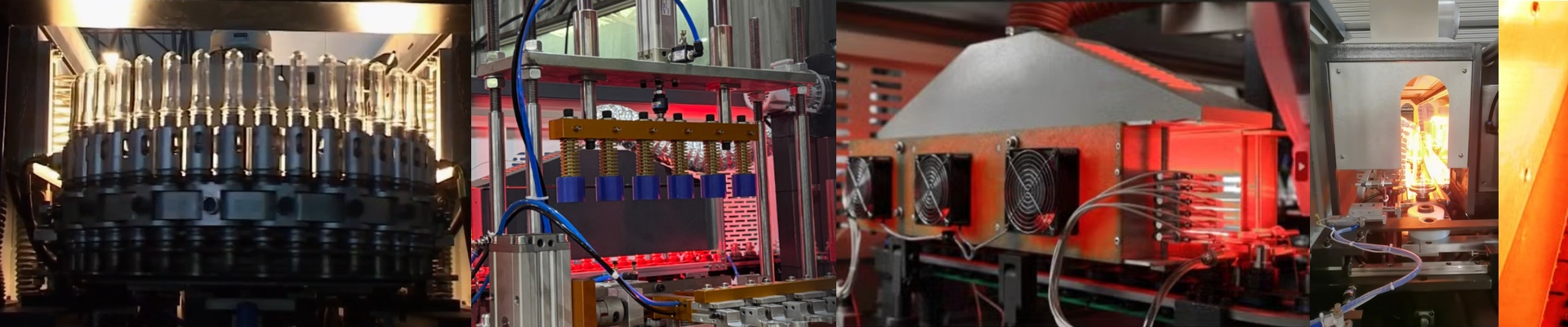
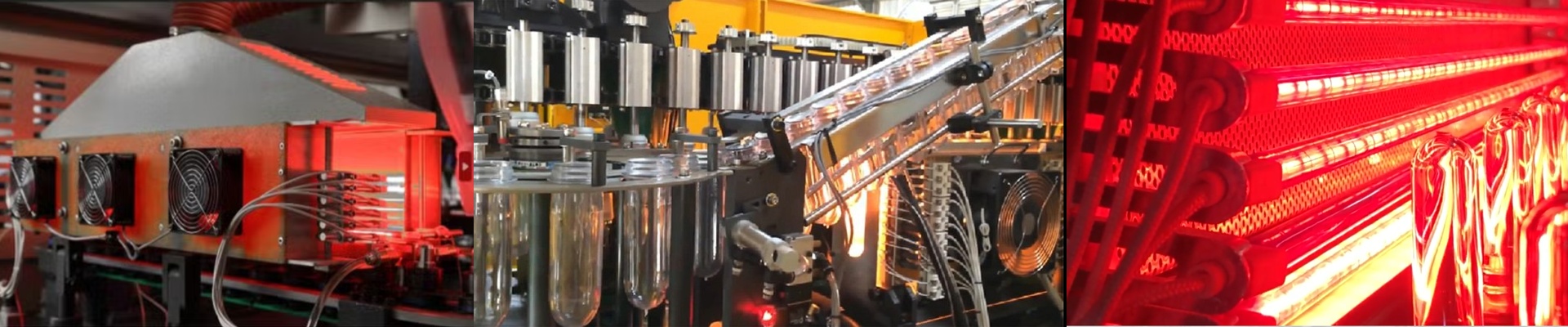
We chose a halogen-filled quartz tube for a reason. It keeps the filament stable when the heat is on, and it’s tough enough to handle the wear and tear of turning on and off constantly. The shortwave IR output goes straight to the food, which means you’re not wasting time just heating up air that gets blown around. The R7s connector? It’s all about a solid grip. It locks in at both ends for a reliable electrical connection. It installs fast, stays perfectly aligned, and handles the expansion and contraction from the heat without ever loosening up.
Application and Benefits: Changing the Oven Logic
If you’ve ever worked with a convection oven, you know the frustration of lag—that gap between what you set and what the load actually feels. This emitter cuts right through that lag. It delivers instant radiant heat that works alongside the airflow, so the oven snaps back to temperature after you open the door or switch out a batch. Just keep in mind: with this much concentrated heat, your oven’s cooling, insulation, and control settings need to be on the same page. When everything is matched up, the payoff is huge. You get a system that holds temperature steady, cuts down on idle time, and makes the whole process easier to validate.