Introduction
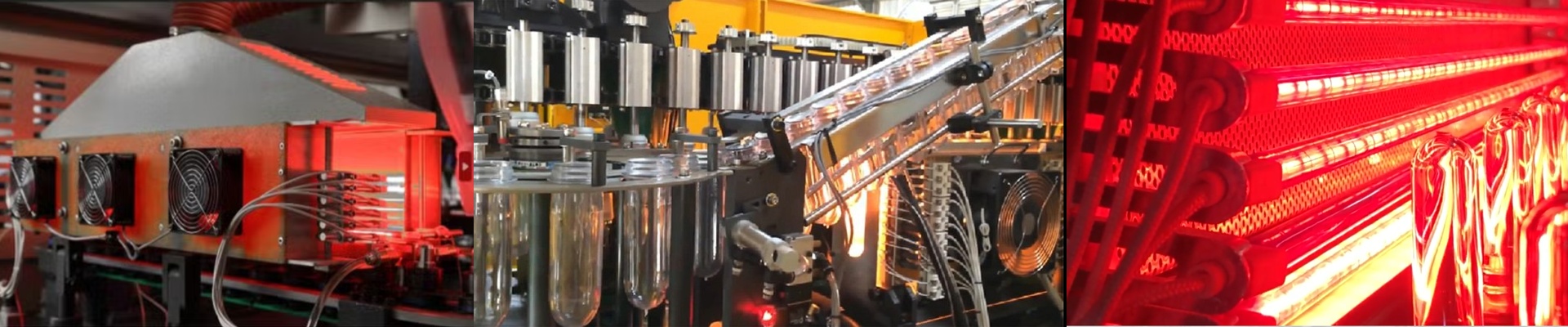
We built this infrared tube for one reason: rotary ovens are brutal. The temperature swings wildly, and your process shouldn’t have to chase it. So we designed a halogen infrared tube that doesn’t just react—it holds the line. It pairs a shortwave emitter with a direct, closed-loop control strategy. The result? You keep your setpoint steady, instead of constantly playing catch-up.
Technical Deep-Dive
Here’s the heart of it: this tube is all about raw power and speed. We packed a 400V, 2500W punch into a compact 300mm length. That gives you serious wattage per inch, which means it corrects temperature almost instantly when the oven air takes a nosedive. That kind of response is exactly what makes a closed-loop system work in real time. The science is simple. Shortwave infrared doesn’t just warm the air; it gets right to the product surface. So when the ambient temperature shifts, the system adjusts power on the fly, keeping your oven band stable. But there’s a trade-off. That much power means your oven’s cooling and ventilation need to be up to the task. If the airflow is too weak, the surrounding parts will feel the strain.
Material & Design
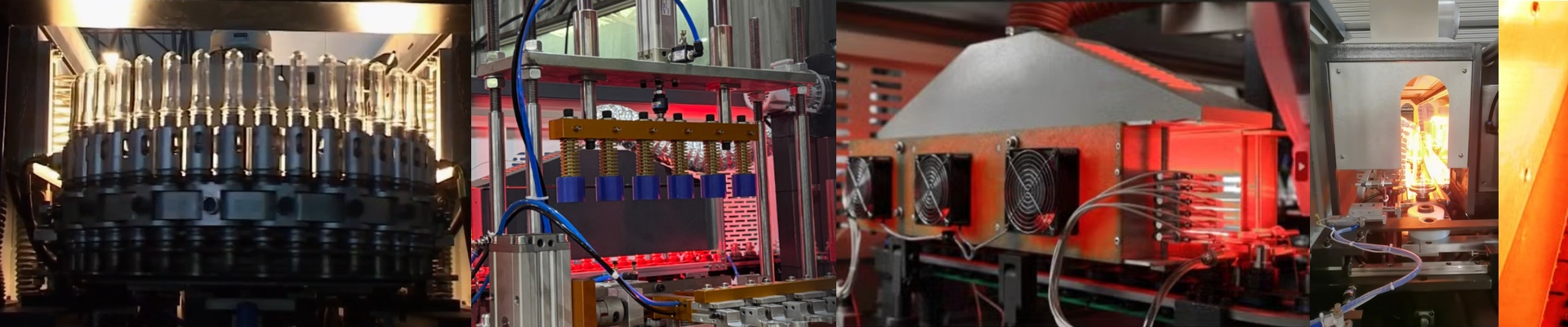
We sealed the filament inside a halogen-filled quartz envelope, so it stays rock-solid even at extreme temperatures. The halogen cycle fights off blackening over time, which keeps the output consistent and stretches the tube’s life. And the shortwave spectrum gives you that snappy on/off response—exactly what you need for clean PID control. Installation was a big part of the design. The R7s connector is a standard two-pin setup, so the tube drops right into most rotary oven heating stations. No custom mounting. No rewiring headaches. You just plug it in, set the controller, and you’re running.
Application & Benefits
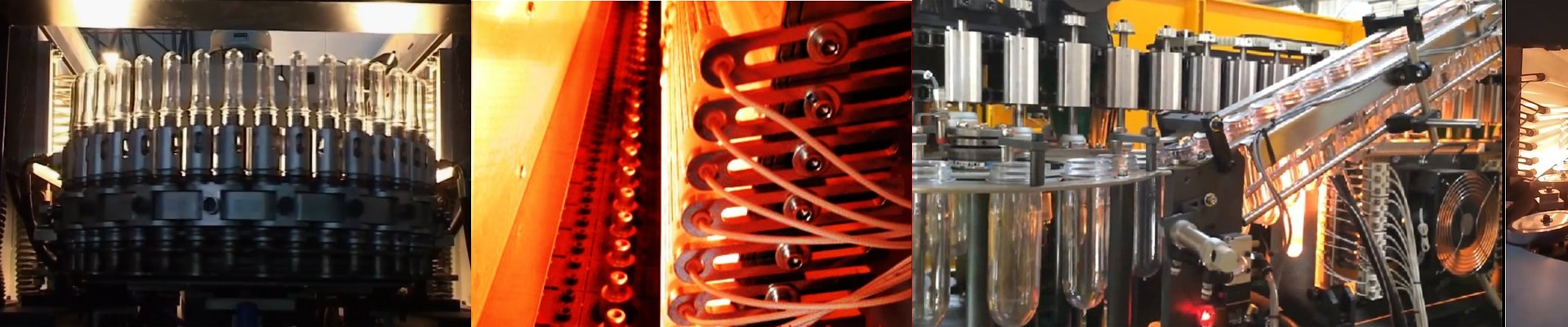
Rotary ovens are chaotic. The heating zone sees constant movement, shifting loads, and big temperature swings every time a door opens or production pauses. This infrared tube cuts through the chaos by keeping the heat focused on the product, not wasted on the whole chamber. You get stable temperature control with less overshoot, quicker warm-ups, and faster recovery after interruptions. That means consistent heating, fewer scrapped batches, and less downtime. If your line is struggling with temperature drift, this tube is a straightforward upgrade. Just make sure your oven’s airflow and electrical setup can handle a 400V, 2500W load.