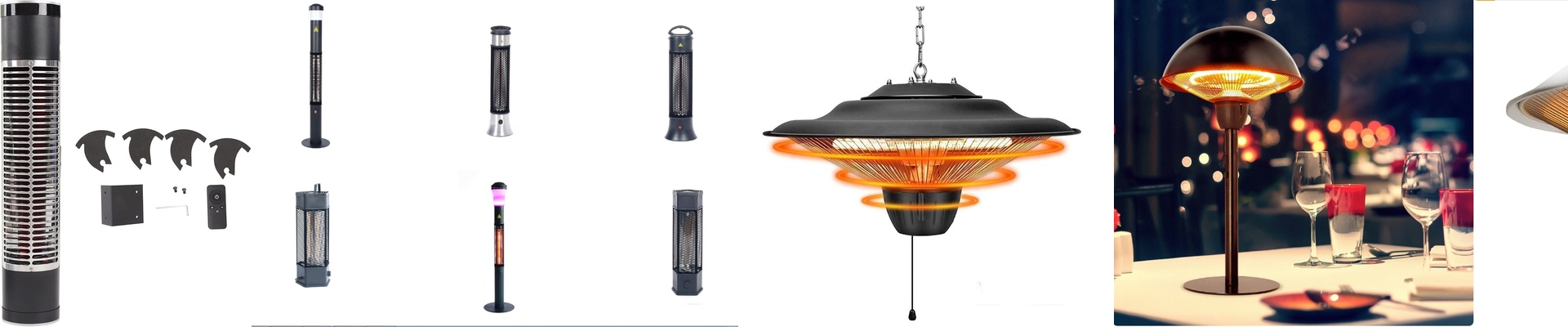
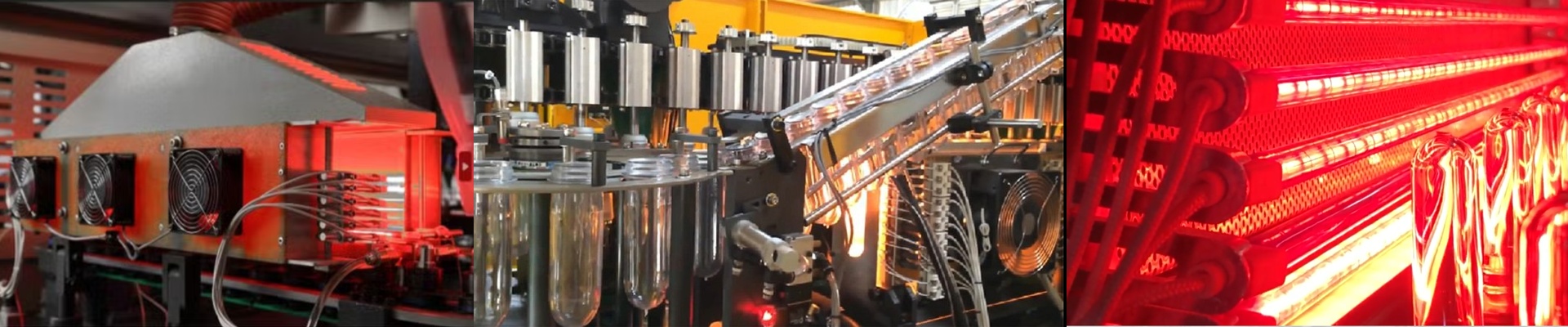
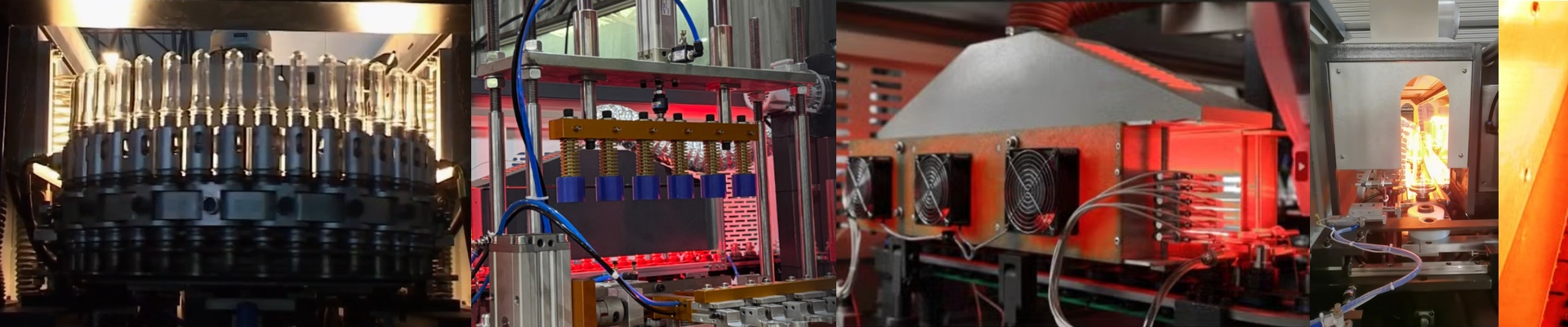
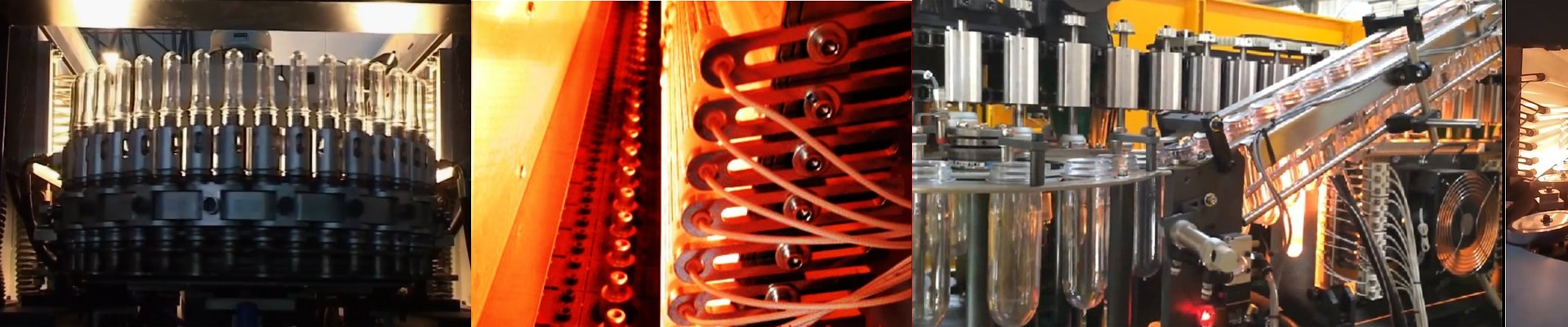
When service hits, your deck or rotary oven has to perform—consistently. Uneven heat gives you patchy color, dough that sags, and crusts that never hit that crisp edge customers expect. We built the twin quartz infrared heater to take that variability out of the equation.
What matters, technically
Twin quartz infrared elements throw focused radiant energy that penetrates toppings and dough without drying the surface. The quartz envelope handles thermal shock, so the heater spools up fast—usually hitting target temperature in minutes, not tens of minutes. Inside the baking chamber, you get even heating across the stone hearth or pan deck, and hot spots are minimized. That means consistent caramelization and a clean bake profile, whether you’re running thin crusts or thick focaccia.
Why it works in a live service
In a busy restaurant oven, timing is everything. Fast heat-up shrinks the preheat gap, so you can start the first bake sooner and keep the line moving. Even radiant energy helps the crust set quickly, locking in steam for an airy crumb and a golden exterior. So what does that look like on a shift? Fewer rejects, repeatable plate presentation, and less wasted energy per bake cycle. The twin-element layout also balances coverage, so temperatures stay stable when you’re stacking bakes back-to-back during a rush.
The practical details you can’t skip
This heater is built for commercial kitchen ovens, but it needs proper mounting clearance and a stable electrical supply. Keep the reflector path clean, and make sure terminal connections stay dry—grease and steam are what kill element life. Plan the install with service access in mind. It’s straightforward when the oven cavity lets you reach everything easily. And match the heater to your oven’s voltage and control type, or you’ll lose the precision that makes infrared worth running.