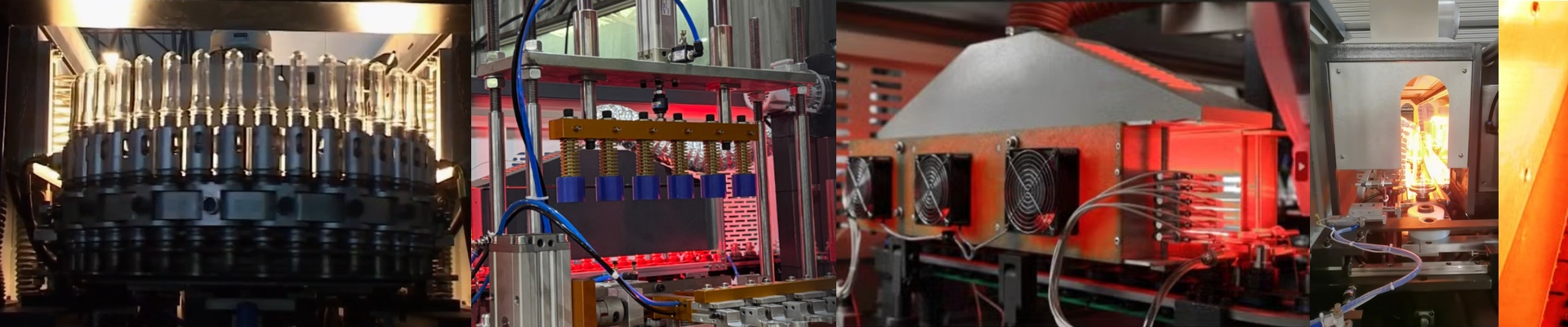
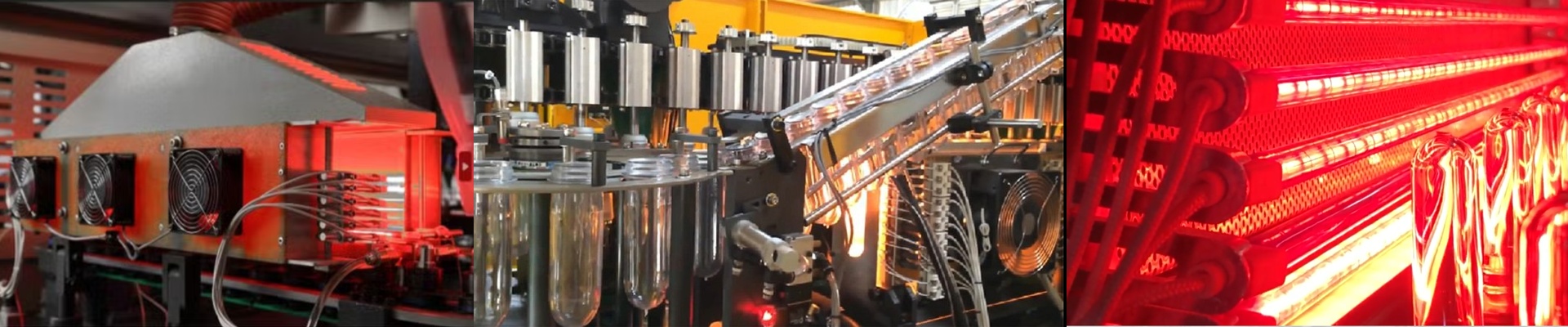
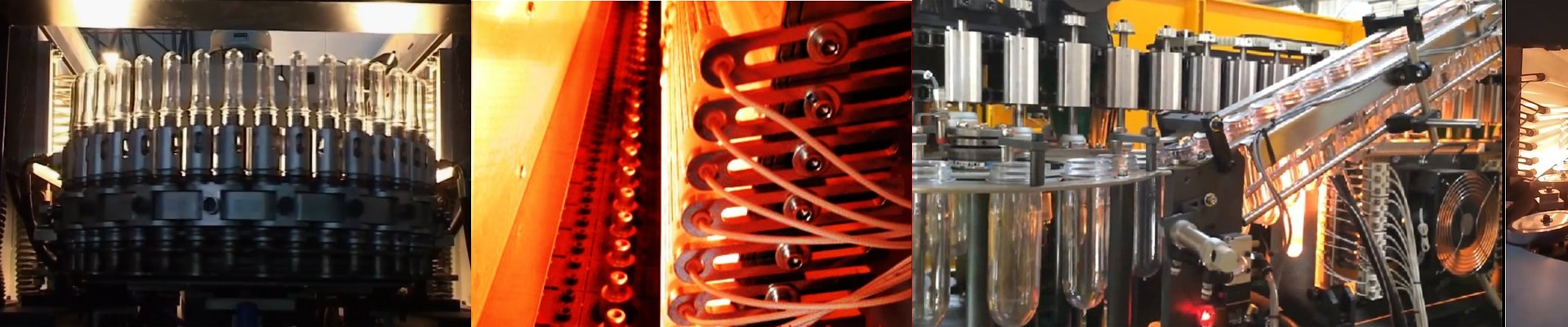
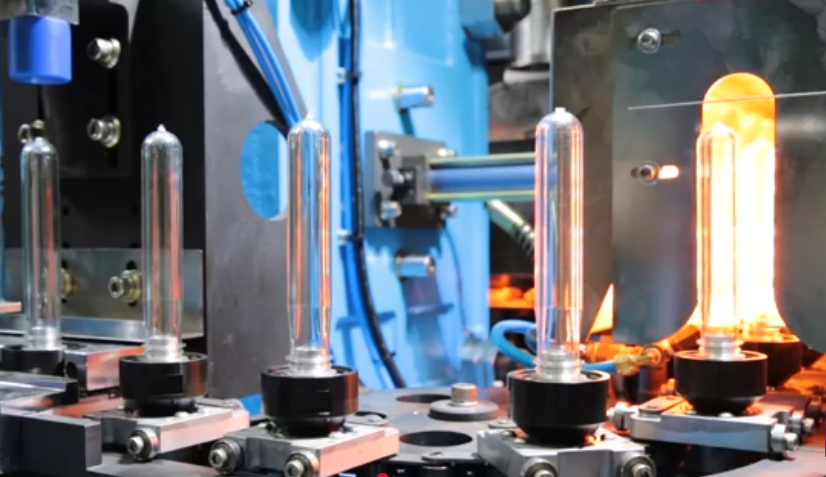
Out on the line, your blow molder doesn’t wait for preforms to get their act together. If the temperature profile isn’t nailed before the stretch, you’re staring down weak shoulders, blown bottles, and scrap piling up. The heating stage is where uptime and yield are won or lost, and the Parker blow molding heater element is built to keep that stage stable. What matters, technically We build the Parker element as a short-wave infrared emitter—quartz tube, halogen filament—so the heat lands fast and focused where the preform neck and body need it. Wattage and voltage are matched to the OEM heating tunnel layout, and the R7s connector drops straight into standard mounting and wiring on blow molders. Response is immediate: the preform surface heats quickly, and the profile stays repeatable, cycle after cycle. Why it holds up in stretch blow molding In PET stretch blow molding, time and temperature are a tight dance. The Parker element brings the heat on fast, keeps preform heating consistent, and helps you hold cycle times where they should be. That means fewer rejects, less downtime chasing temperature drift, and lower energy per bottle because the energy goes straight into the preform instead of warming the whole tunnel. As a direct-fit replacement, it installs into existing holders without re-engineering the line. A few shop-floor pointers Infrared output lives and dies on reflector alignment and tube condition, so clean the reflector and confirm focal distance during install. Match the element wattage to your machine’s original spec—too high and you overshoot the preform, too low and you stretch the dwell, slowing production. Run a short warm-up and profile check after replacement, then lock the settings for repeatable performance.