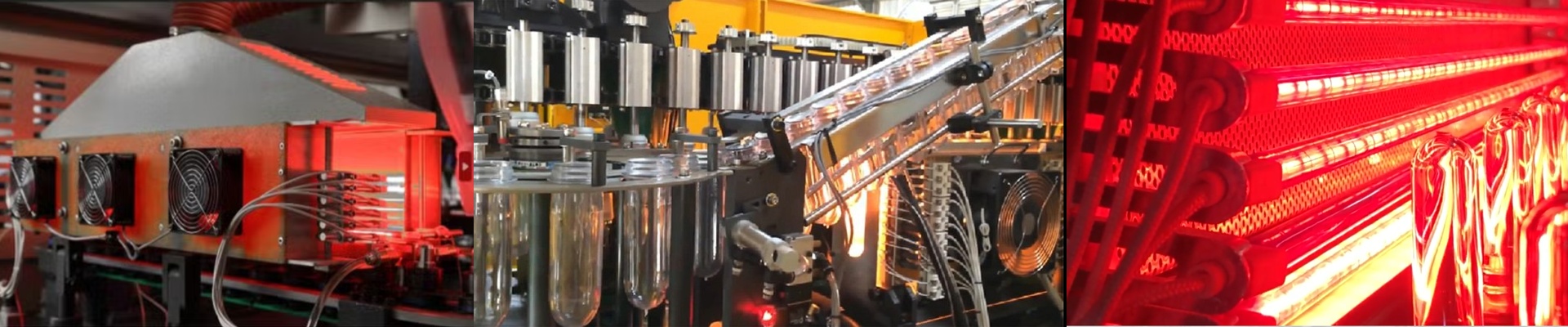
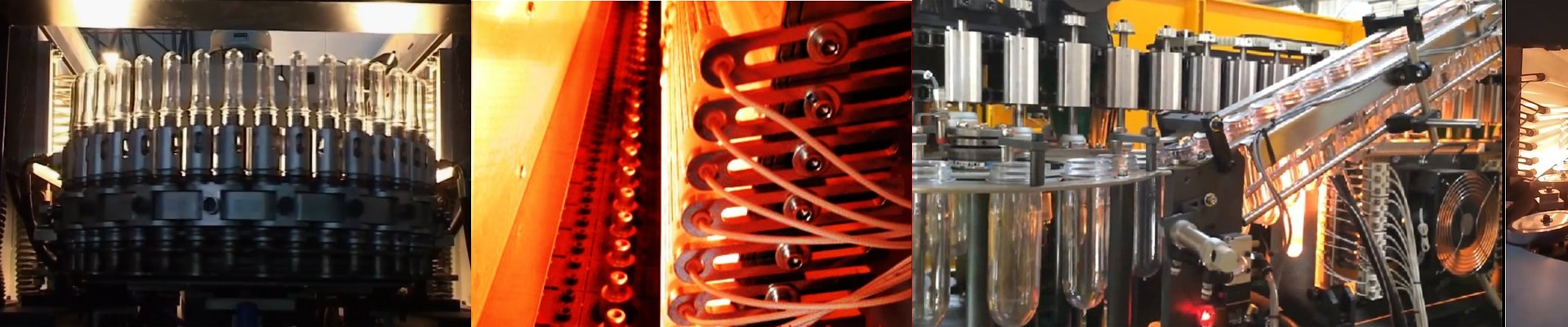
When the rush hits and tickets stack up, your oven can’t afford to get lazy. If it can’t recover fast or holds uneven heat, service turns into a scramble—pale crusts, timing falling apart. In that moment, the heating element isn’t just a part. It’s the power behind your output. What matters under the hood We spec this 500W quartz heater element around short-wave infrared, because it gives you heat with control. The quartz tube snaps back to temperature fast, so the baking chamber recovers quickly after you open the door or load pans. The 500W rating is chosen to match real commercial duty cycles—enough heat density without overworking the draw, so the thermostat can hold setpoint without hunting. You get stable resistance, consistent output, and a clean electrical profile that plays nice with standard oven controls. Why this matters on the line In a busy kitchen, uptime is measured in bake cycles per hour. This element restores heat quickly, so rotary ovens can turn over par-baked dough without waiting, deck ovens recover between pizzas, and convection ovens hold air temperature when the door keeps swinging. The payoff is more consistent crust color, better caramelization, and fewer underdone centers. It also means fewer temperature swings, which helps keep energy use per bake in check and keeps your staff working at a steady pace. What you need to know before you install Install is straightforward, but make sure the mounting bracket and terminal type match your oven’s spec. Double-check voltage compatibility, and confirm the terminal block can carry the load without hot spots. Handle the quartz tube carefully—one impact and you’re replacing it. After installation, run the oven under full load for a full cycle to confirm the element settles into the control band. When it’s matched to the right oven, it runs long and steady—so service keeps moving when you need it most.