
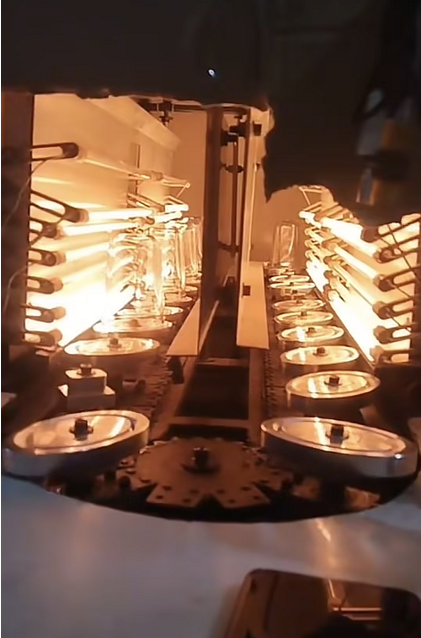
Dealing with Heating Fluctuations in Your SIPA Rotary Machine
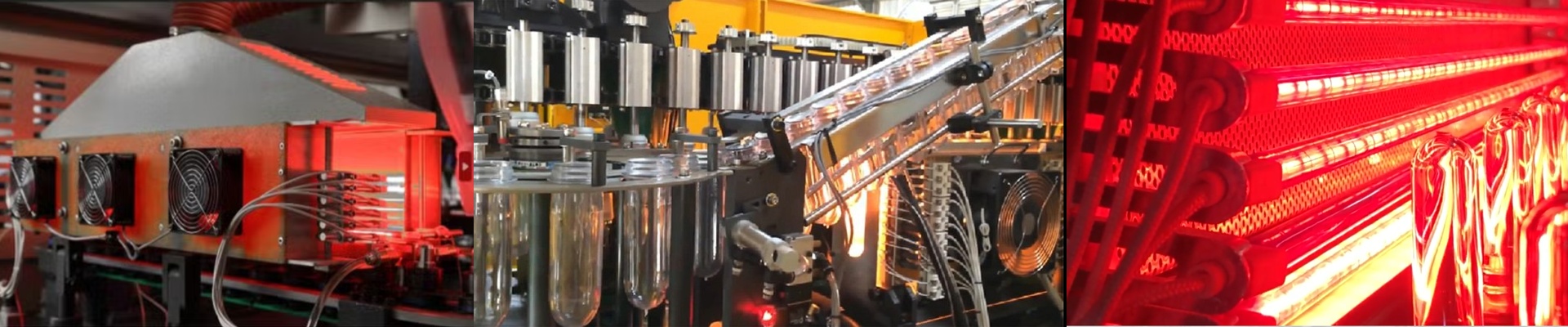
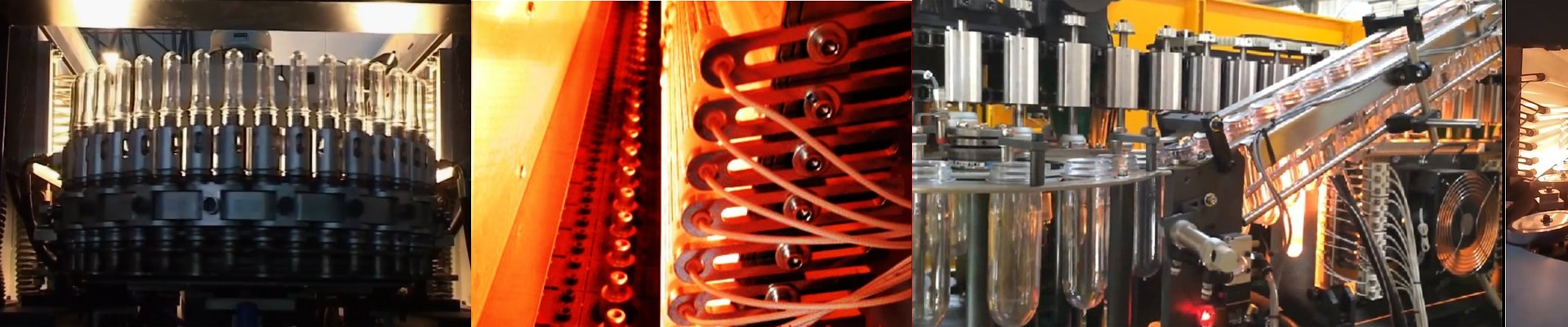
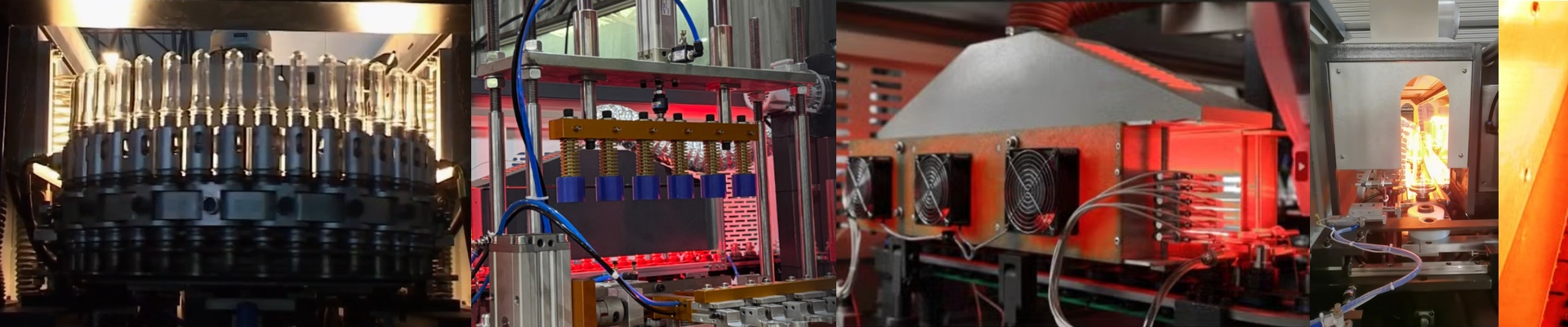
If you’re seeing inconsistent wall thickness in your PET bottles, you can usually trace the problem right back to the oven. Here’s the thing: when a SIPA machine starts acting up with heating fluctuations, it’s usually because the lamp’s wattage doesn’t actually match what the power supply is putting out. It sounds like a small detail, but those gaps create cold spots that ruin your batch. We build our infrared lamps to match that power 100%, so those spots just disappear. The science of it (kept simple) When you pop in a lamp that doesn’t perfectly hit the OEM voltage and wattage specs, you’re messing with the resistance. Even a tiny mismatch means the lamp is either under-powered or it’s going to burn out way too fast. We spec our tubes to hit the exact wattage your SIPA control system expects. That keeps the heat steady and even across the whole preform. No surprises. How we actually build them We use high-purity quartz glass because it can handle the “thermal shock” of rapid cycling without cracking. Depending on which SIPA model you’re running, we use R7s or Sk15 connectors. Why? Because a loose fit is a nightmare. It creates resistance, which leads to arcing, and before you know it, you’ve got a melted socket on your hands. For the high-intensity zones, we add specific coatings to the quartz. This helps the heat actually penetrate the PET material instead of just bouncing off and wasting energy by heating up the oven walls. The heat goes where it belongs—inside the plastic. Getting them running These are simple drop-in replacements. You won’t need to touch your wiring cabinets or call in an electrician for a full rewire. But a quick heads-up: when you run these lamps at full power, your oven’s ventilation has to work harder. If your cooling fans are clogged with dust or just dying, the inside of the oven will get too hot. That’s how you end up with “pearly” PET or a neck area that’s totally overheated. Do yourself a favor and check your airflow before you swap in the high-output tubes.