Can a few new heaters actually speed up your PET production?
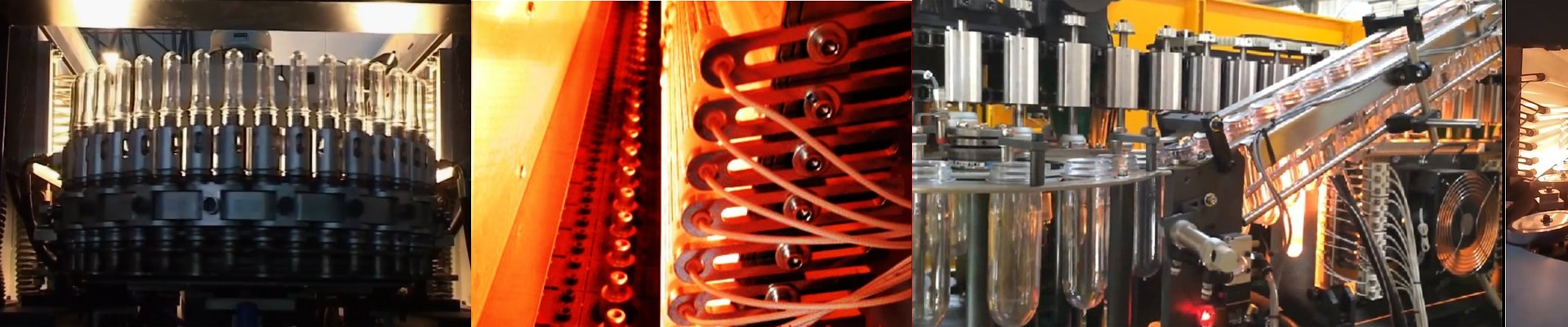
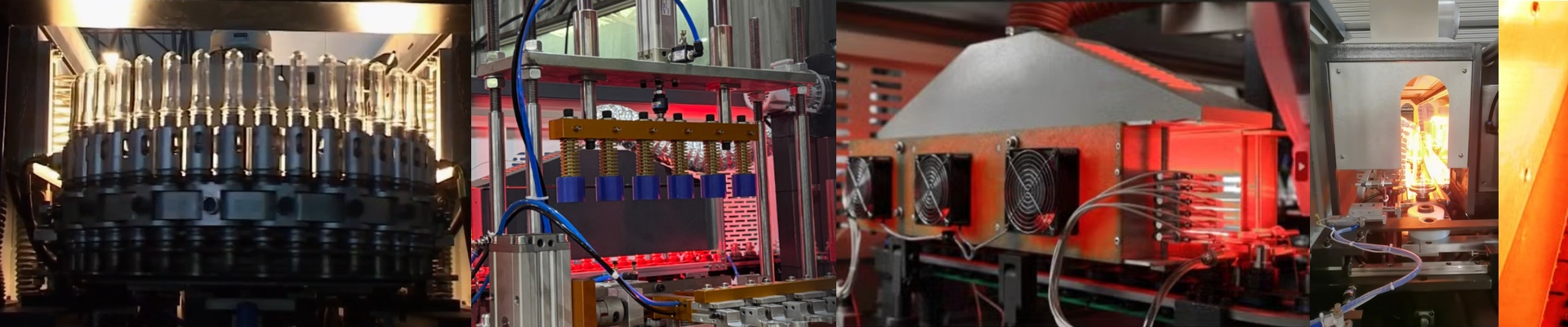
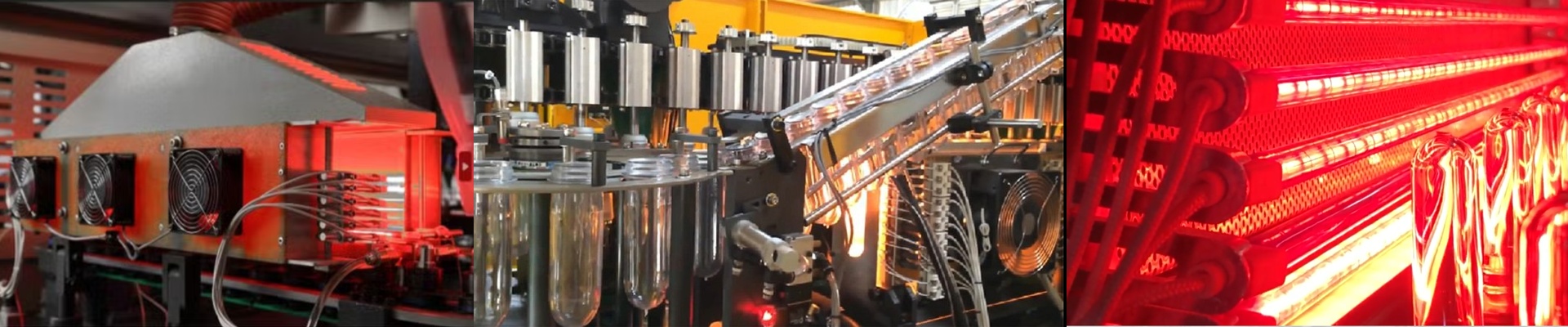
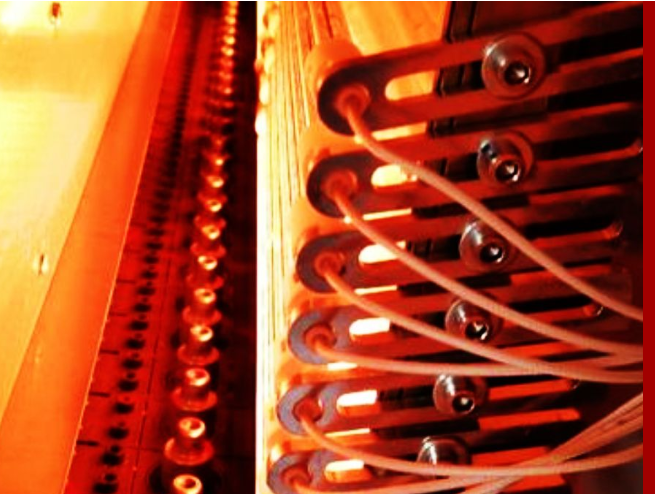
If you’re running mid-sized blow molding machines that are a few years old, you know the frustration. You’re staring at your cycle times, wondering why you can’t hit your targets. Most people start looking at the motor or the PLC, thinking that’s where the lag is. But more often than not? It’s just the oven. It’s not getting the job done fast enough. Here’s the trick: if you swap out those old lamps for high-density infrared (IR) elements, you can slash your preheating time. And when the preheating is faster, you can finally push the machine speed where it needs to be. The secret is in the heat density To move more bottles per minute, you have to get the PET preform to the right temperature—fast. But you can’t just blast it, or you’ll burn the plastic. It’s a delicate balance of wattage and voltage. Take a 400V high-output tube, for example. It pushes way more energy into the preform. We build these to focus shortwave radiation, which actually sinks deeper into the plastic wall than the standard heaters you’re probably using now. Now, if you slide a 2500W tube into a spot meant for 1500W, you’re going to see a serious jump in heat-up speed. Just a heads-up, though—make sure your wiring and power supply can take the hit. You don’t want to fry your contactors just because you wanted more speed. Getting them installed We use quartz glass with special coatings. The goal is to bounce the heat forward into the preform, not backward into the oven frame. It keeps the heat where it belongs and stops you from wasting electricity. As for the install, it’s pretty painless. We stick to the usual R7s or Sk15 standards. They’re basically drop-in replacements. You pull the old lamp, slide the new one in, wire it up, and you’re done. No tinkering with brackets or fabricating new parts. The catch Of course, you don’t get something for nothing. When you crank up the wattage to boost your BPM, the inside of the oven gets a lot hotter. If your cooling fans are dusty or just too small for the job, you’ll start seeing “hot spots” on your bottles. That leads to that annoying pearlescence or thin walls that fail quality checks. It’s all about the balance. You’ve got to make sure your airflow can keep up with the extra heat you’re pumping in.