
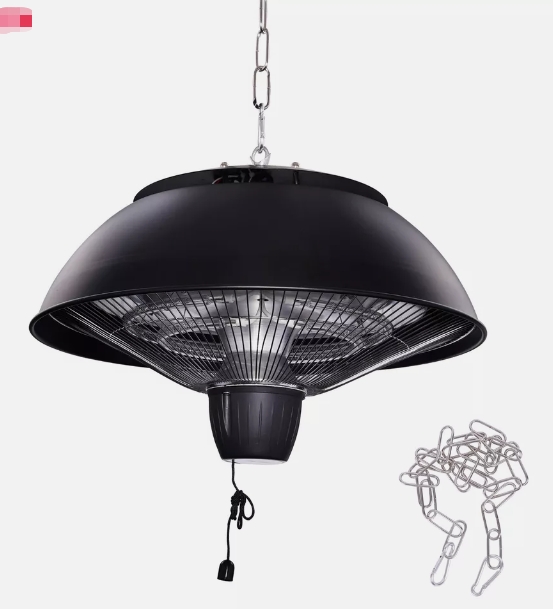
Getting Your Bathroom Heater Wattage Right
When you’re picking out an infrared heater for the bathroom, your first instinct might be to just go for the most powerful one on the shelf. But here’s the thing: more power isn’t always better. It’s really all about how much space you’re trying to warm up. If you overdo it, you’re just throwing money away on your electric bill. If you underdo it? Well, you’re still shivering while you dry off.
All About the Space
Think about the size of your bathroom and how high your ceilings are. If you’ve got a tiny powder room, a low-wattage lamp is plenty. In a small space, a high-powered heater can actually make things too hot, too fast. But if you have a big master bath, you’ll need something with more punch—or maybe a few different lamps—to make sure the warmth actually reaches you down on the floor. Keep in mind that infrared is different from a space heater. It doesn’t really “heat the air.” Instead, it beams heat directly onto your skin and the surfaces around you. Because of that, the wattage needs to be just right for the distance between the ceiling and where you’re standing.
Saving Energy (and Your Gear)
You also want to think about how “leaky” your room is. In those tight, enclosed spaces, a low-wattage lamp is the way to go. It keeps the filament from burning out too quickly because the heat doesn’t have anywhere to go. In bigger rooms, you’ve got ventilation fans humming and doors opening and closing, which lets the heat escape. That’s where the higher wattage comes in handy—it gives you enough intensity to fight off that draft. A quick tip: try not to over-spec. If the wattage is too high for the room, your thermostat will kick in and shut off almost immediately. This constant clicking on and off wears out the relays and shortens the life of your heater.
A Word on Wiring
This is the important part. High-wattage lamps pull a lot of current. If you plug a 1000W lamp into a circuit that was only meant for 500W, you’re asking for trouble. We’re talking tripped breakers or, in the worst cases, melted insulation. It’s just not worth the risk. If you’re putting in a few different units, just make sure the load is balanced across your electrical phases. It keeps everything stable and prevents those annoying power dips.