
Introduction
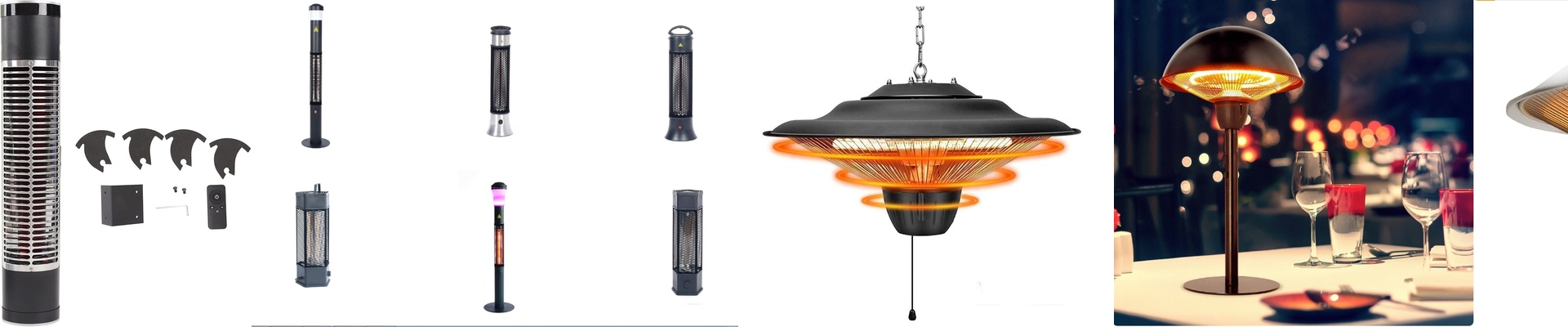
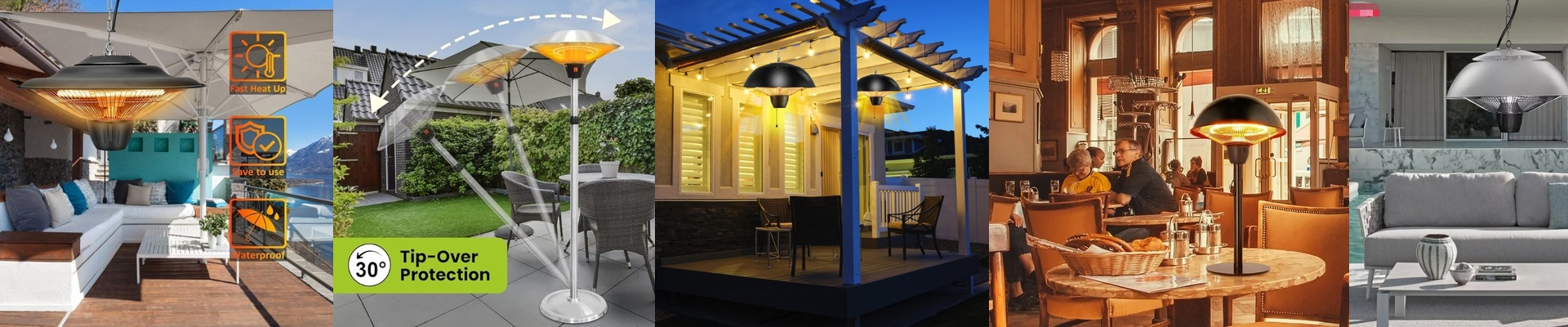
When we set out to build electric outdoor heaters, there was one non-negotiable: they have to hold their own against the weather. No excuses. So we built everything around a waterproof infrared halogen lamp. It throws out direct, comforting radiant heat—the kind you actually feel—perfect for outdoor spots and bathrooms, where moisture and steady warmth are simply a must.
The Inside Story
We made sure these heaters play nice with real-world power setups. You can wire them straight into existing three-phase or single-phase lines, with voltage options of 220V–240V or 380V–400V. No need to rework the whole electrical plan. And the heat? It’s tuned for outdoor duty, usually between 1500W and 2500W. Enough to spread warmth across an open space without feeling like you’re trying to heat the whole planet. The tube itself is kept compact, around 300mm to 500mm. That keeps the footprint small, while still packing the heat density you need.
What It’s Made Of
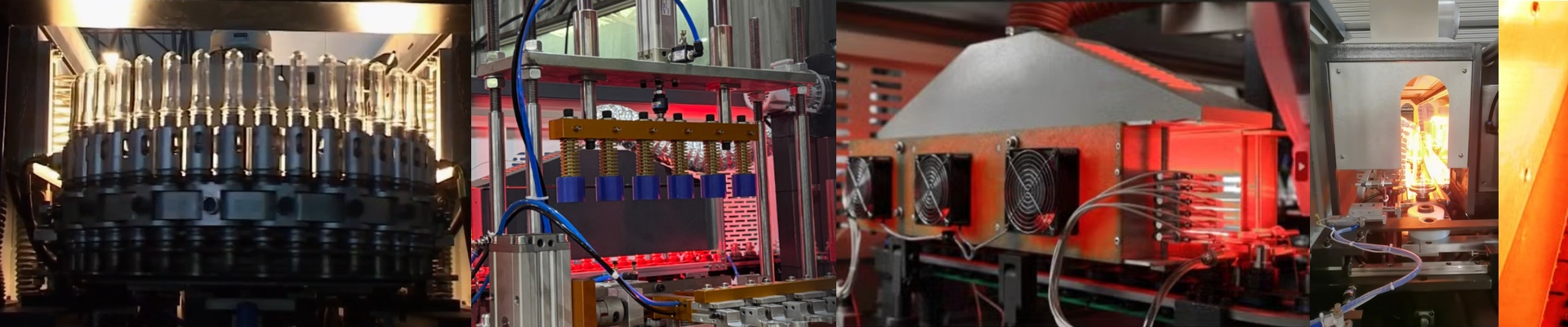
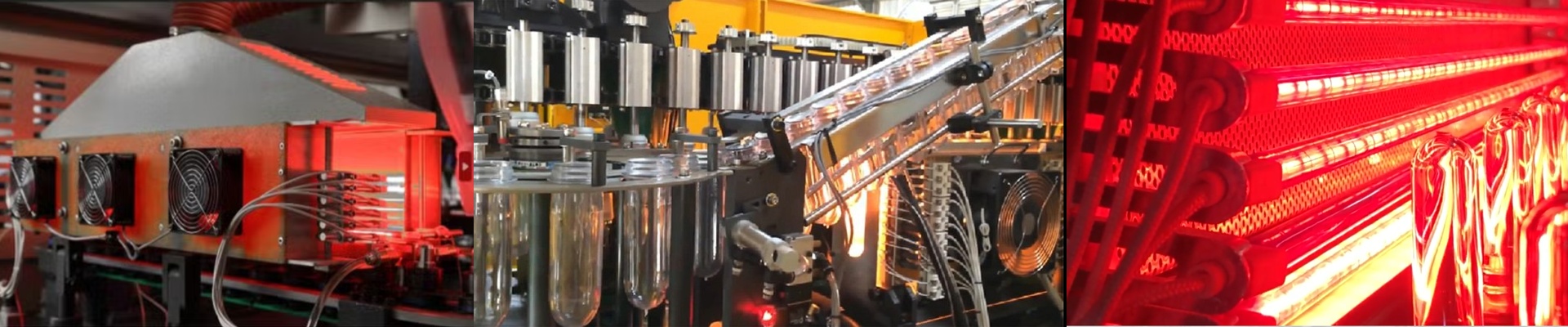
Inside, the heating element uses a halogen cycle within a quartz envelope. Quartz is tough—it handles high heat and shrugs off sudden temperature swings. Meanwhile, that halogen cycle keeps the filament stable, so you get consistent warmth over time and far fewer burnouts. The whole thing is sealed up tight. Every joint, every end—waterproof. And the connectors? We went with R7s or SK15 bases because they give a solid connection, handle the current, and make the lamp a simple drop-in replacement for standard fixtures.
Where It Shines
Outdoors or in the bathroom, that waterproof seal keeps water out, so you’re not worried about shorts. And because it’s infrared, the heat warms people and objects directly, not the air around them. That means less wasted energy. For engineers, the compact tube and standard bases make integration a breeze. You can fit a heater into a tight enclosure without tearing the mounting setup apart.
One Thing to Keep in Mind
High wattage and high heat density are powerful—but they do need proper thermal management. Just make sure your enclosure and cooling are sized right, so all the components stay within a safe temperature range.