Winter camping makes comfort a numbers problem. The wind finds every seam, and a heater that bleeds energy just can’t keep pace. Then the tent starts to feel like a cold, damp box. You need warmth that hits fast, holds steady, and doesn’t murder your power.
What matters under the hood
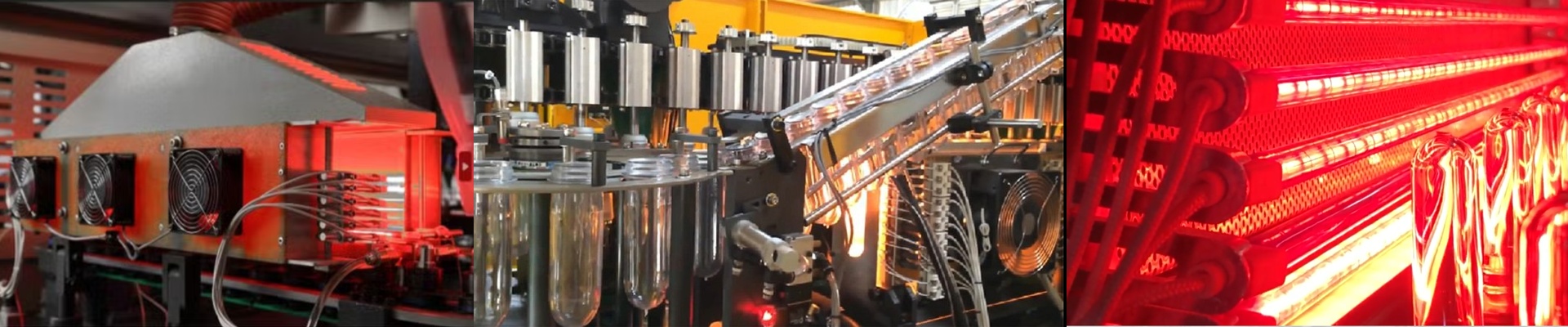
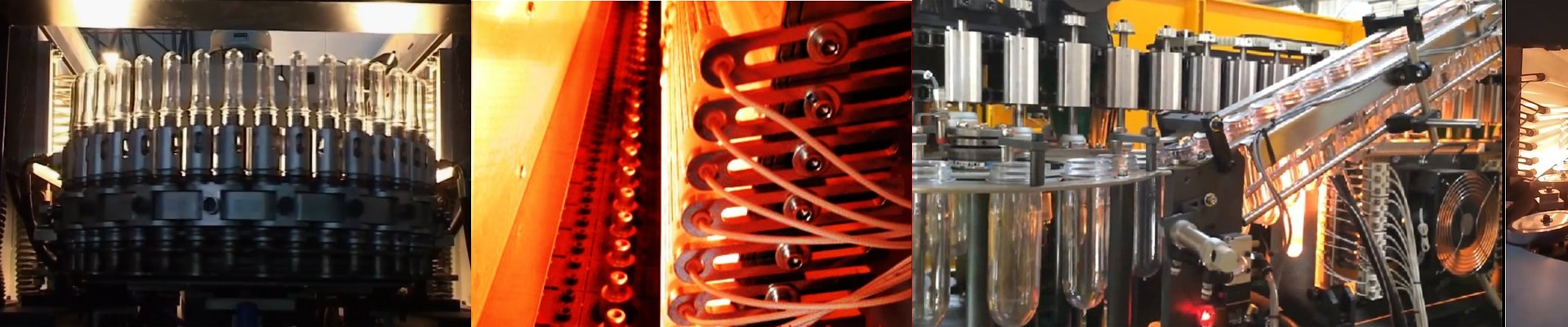
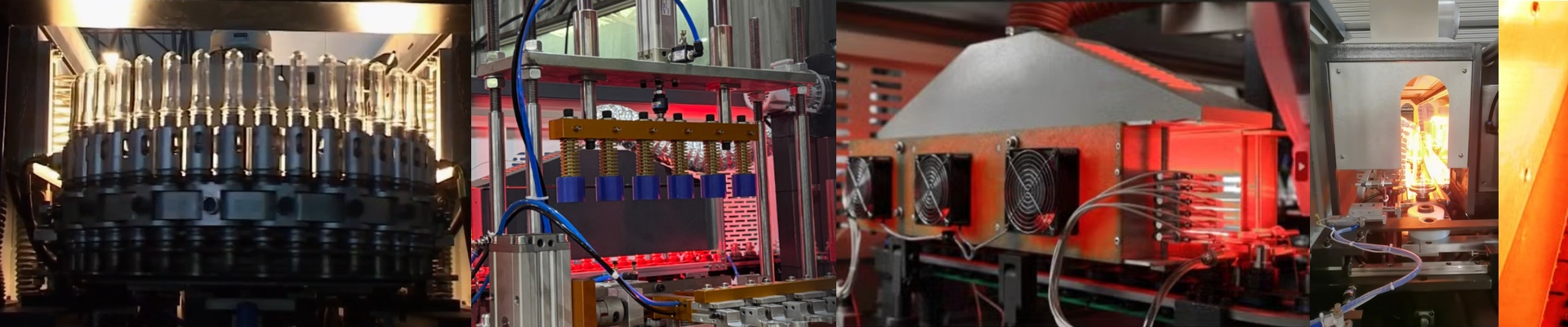
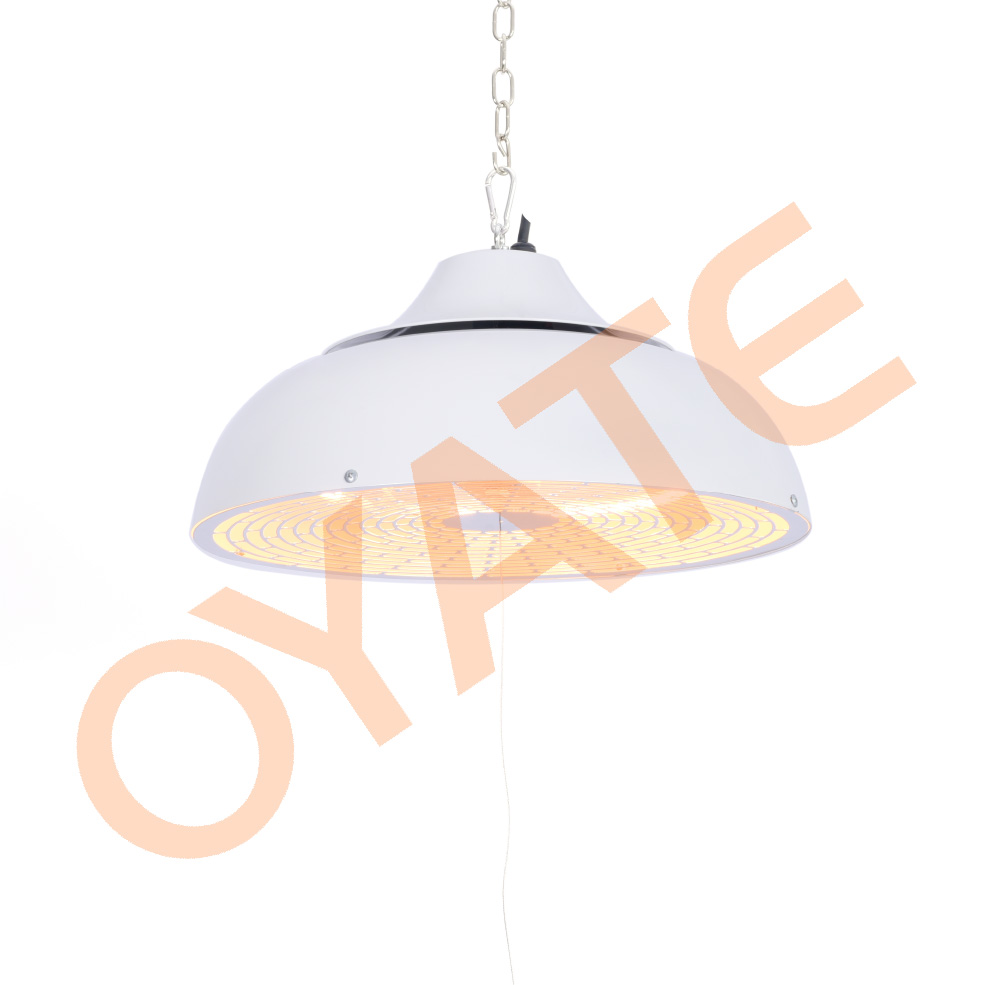
We built this tent heater around infrared radiant heat, pairing a high-purity quartz tube with a tuned carbon fiber element. Electricity turns into effective thermal radiation at 99.8%. Convection heaters warm air that immediately leaks out; infrared puts heat directly onto people, gear, and surfaces in line of sight. The element comes up to temperature quickly, so you feel warmth in seconds, not minutes. In practice, that means less waiting, less heat loss through ventilation, and a more stable interior.
Why it fits the winter tent
Inside a winter tent, you’re chasing spot heating with minimal condensation and clean control. This infrared heater warms the area where you sit and sleep, so you keep personal comfort steady—better for sleep and circulation on cold nights. Because it doesn’t rely on blowing air, it runs quieter and cuts down on drafts that make damp feel colder. Weekend trips or extended stays, the efficiency translates to lower energy draw per degree of comfort, which matters when you’re on battery or a limited shore power setup.
Practical notes you can’t skip
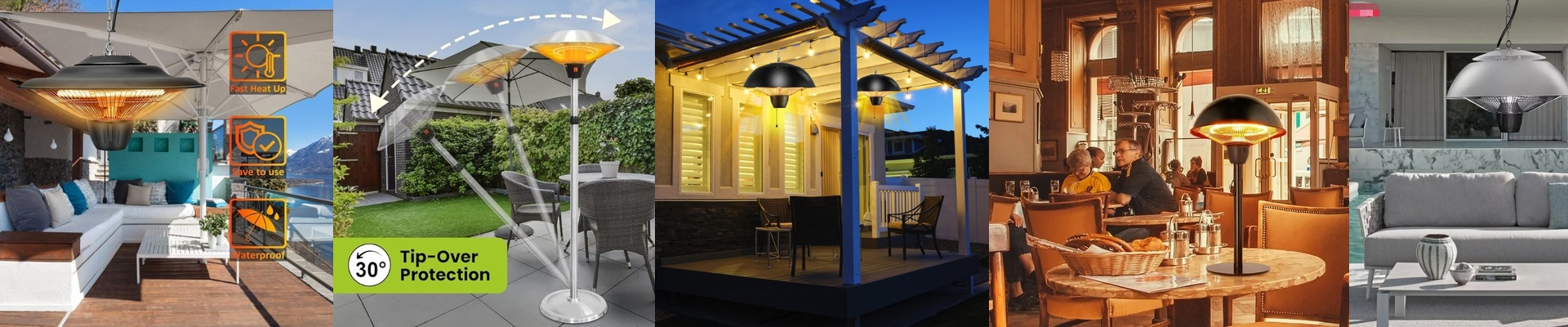
Infrared warmth works best with an open line of sight to the element, so positioning matters. Keep it centered and unobstructed for even coverage. Safety first: use the included tip-over protection, and keep the heater well away from tent walls and fabrics. Plan the electrical side carefully. Match the plug type and wattage to your power source, and make sure your extension cord is rated for outdoor, cold-weather use. This is an electric heater, so it needs a stable supply—connect it right, and it delivers dependable winter comfort.