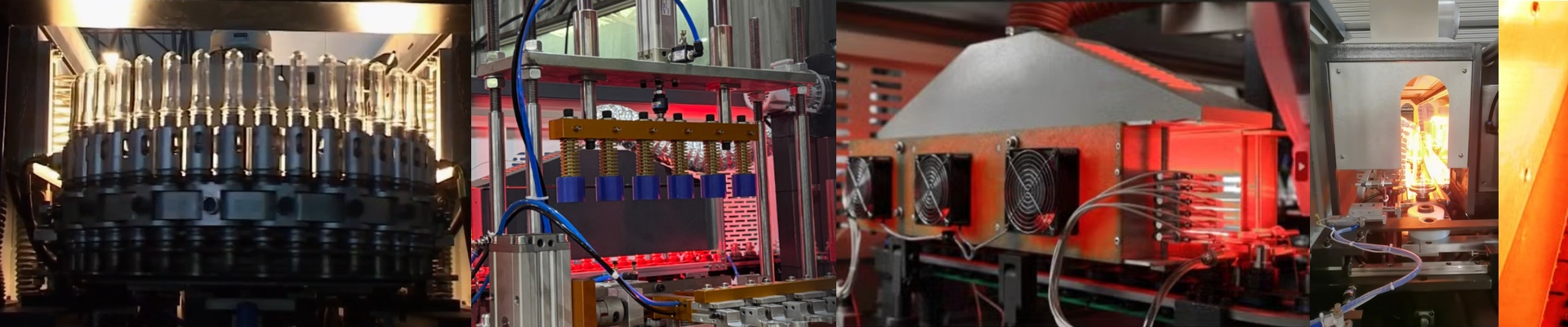
Getting That Perfect Crust: Why Shortwave IR Matters
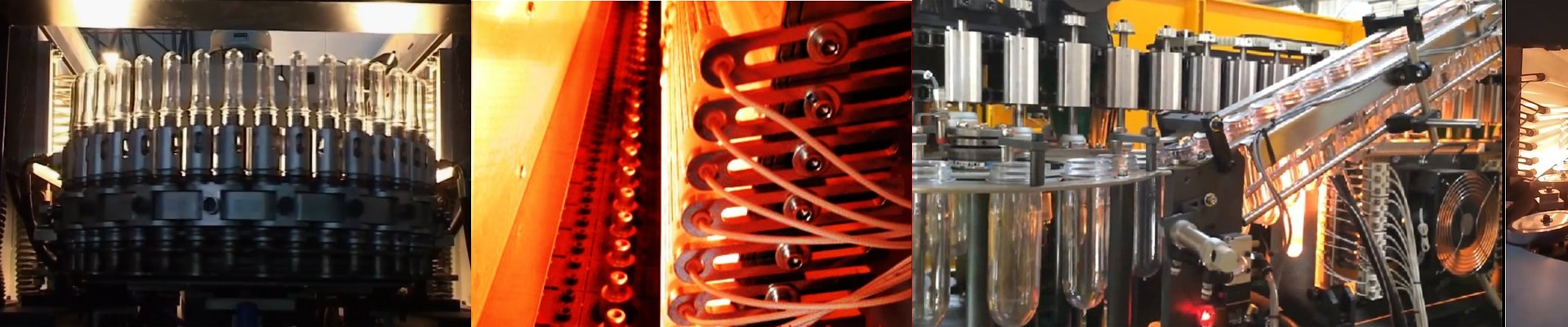
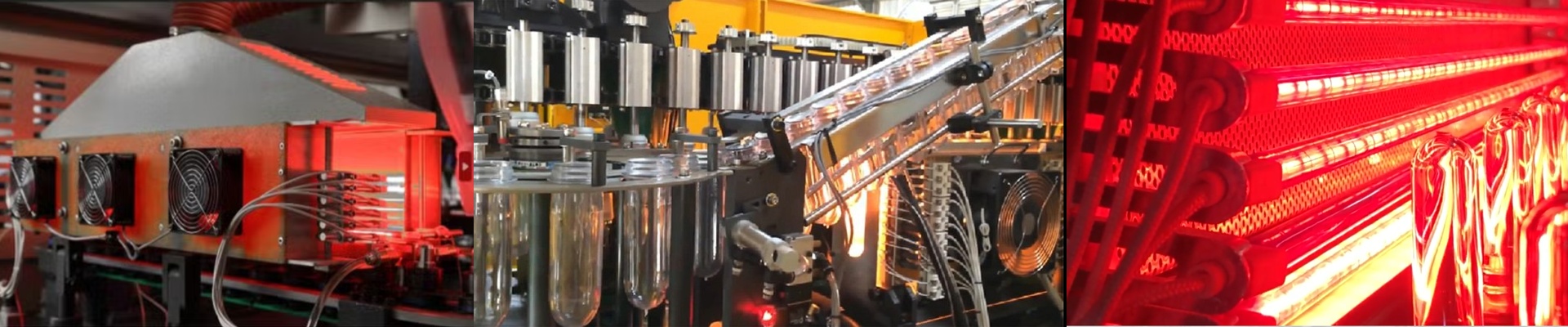
If you’ve ever pulled a loaf of bread out of the oven only to find the inside is dry as a bone just to get a decent brown crust, you know the struggle. The secret isn’t just “more heat.” It’s about how that heat hits the surface. In the catering world, we use replacement radiant heaters that react almost instantly. They use shortwave infrared to trigger that beautiful browning on the crust without baking the life out of the center of the loaf. The magic of speed Most heating elements are just too bulky. They take forever to warm up. But with quartz-halogen tech, you hit peak power in milliseconds. It’s fast. Really fast. Because the heat is basically instant, you have total control. You can watch the crust hit that perfect golden shade and pull it out right then and there. No more guessing games or sacrificing the crumb just for the sake of the color. The nitty-gritty on the hardware These tubes are designed to be simple drop-in replacements. We use high-purity quartz glass because it lets the IR light pass through without getting blocked. Since every oven is different, we match the wattage and voltage to whatever your control board is putting out. One quick tip: keep an eye on those connectors (usually the R7s spring-loaded ones). You want a tight fit. If it’s loose, you’ll get arcing, and you’ll burn out the socket. Plus, if your voltage drops across the line, the lamp won’t hit full power, and your browning speed will tank. The trade-off Here’s the thing: these lamps put out a massive amount of heat in a very small space. While your bread loves it, your oven’s wiring and chassis aren’t always as thrilled. You’ve got to make sure your ventilation is wide open. If the air around the lamp housing gets too stifling, the filament is going to burn out way sooner than it should. It’s a bit of a balancing act. You get that instant, professional finish, but you have to keep the equipment cool to make it last.