
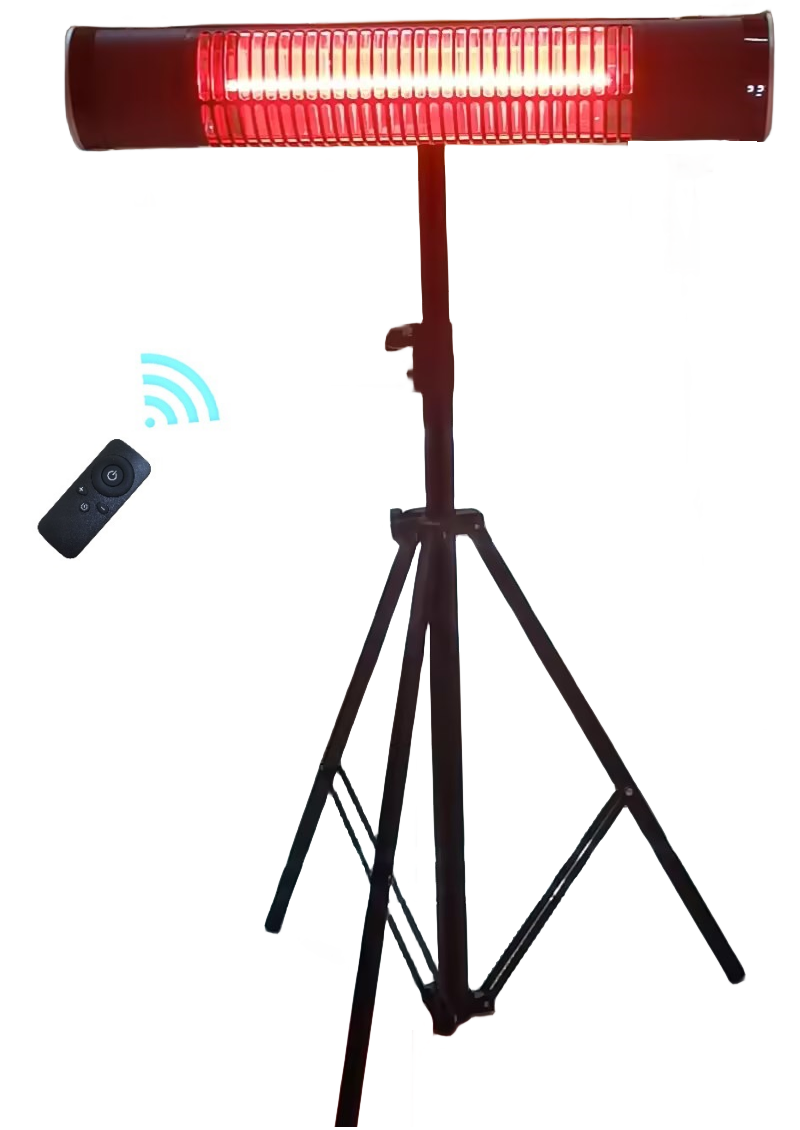
The Truth About Why Infrared Heaters Actually Die
Here is a little secret from the shop floor: most ceiling-mounted infrared heaters don’t stop working because the heating element gave up. It’s usually the lead-wire seal that lets you down. Think about it. When you hang a heater on the Ceiling, all that heat climbs straight up. It pools right where the electrical wires plug into the lamp housing. If that seal isn’t built for the heat, the insulation basically gets baked. It gets brittle. It cracks. And then? You’ve got a short circuit on your hands. The problem with the cheap stuff A lot of budget heaters just use basic silicone or some heat-shrink tubing. That works for a while, but not under constant thermal cycling—you know, that constant expanding and shrinking as the heater turns on and off. Eventually, the insulation turns into something like a dry cracker. Then, a little bit of building vibration or a gust of airflow nudges those wires. Since the insulation is shot, the wires touch, they char, and the whole thing pops. We see it all the time. How we actually fix it We decided to stop treating the seal like an afterthought. Instead of just wrapping the wire, we use a mix of high-temp ceramic beads and specialized resins. It creates a tight, airtight seal that locks the wire in place and keeps oxygen out. The real trick is making sure the seal can move with the quartz tube. As the tube grows and shrinks with the heat, the seal has to hang on tight without pulling away. We spec our materials to handle temperatures 50°C higher than the lamp’s max heat. That extra breathing room stops the “cooking” effect that kills most units. One thing to keep in mind There is a trade-off. Because this seal is so heavy-duty, the lead wires are stiffer. You can’t just bend them into a tight knot like you can with the thin, cheap stuff. If you try to force a sharp bend during install, you might actually stress the seal. Just leave yourself a decent service loop in the wiring box. Give the wires some room to breathe and make sure you’ve got proper strain relief. It takes an extra minute, but it means you won’t be climbing a ladder to replace the unit in six months.