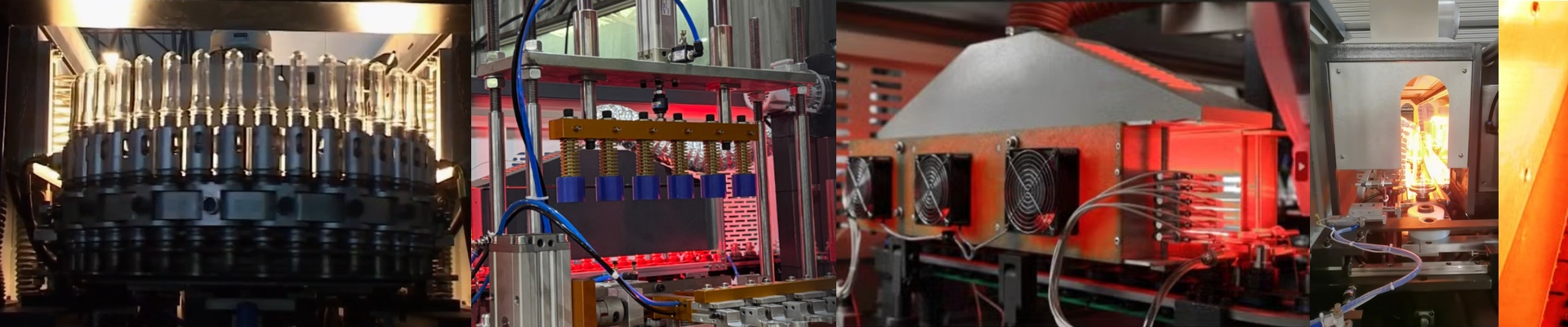
Stop Killing Your Infrared Heaters in High-Ceiling Factories
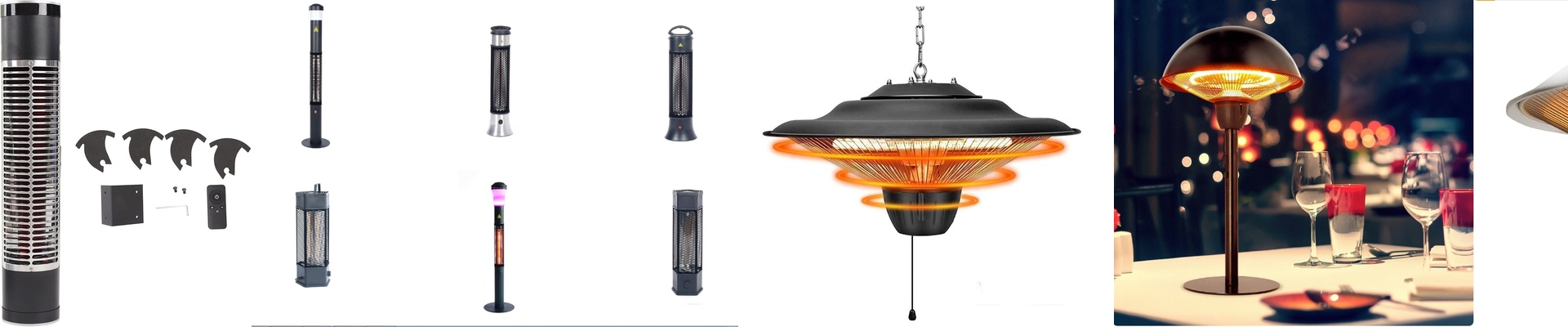
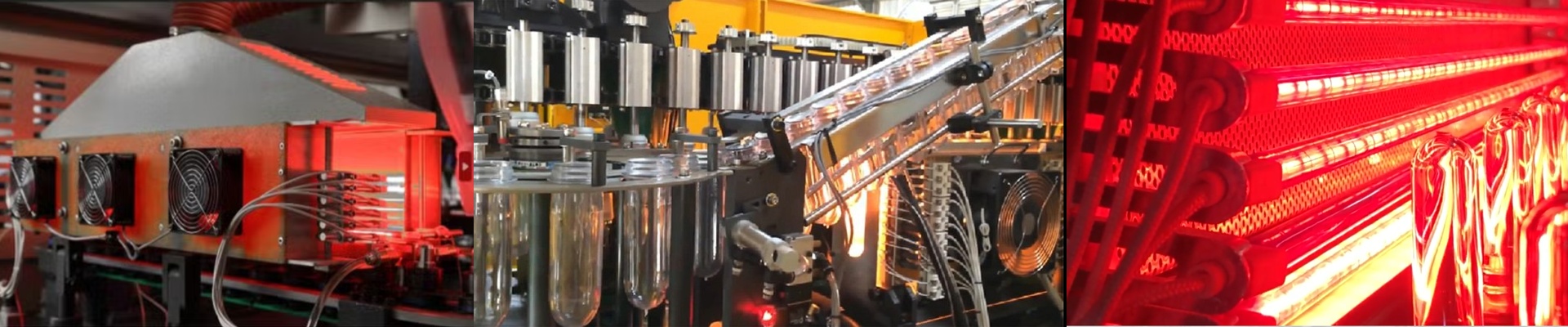
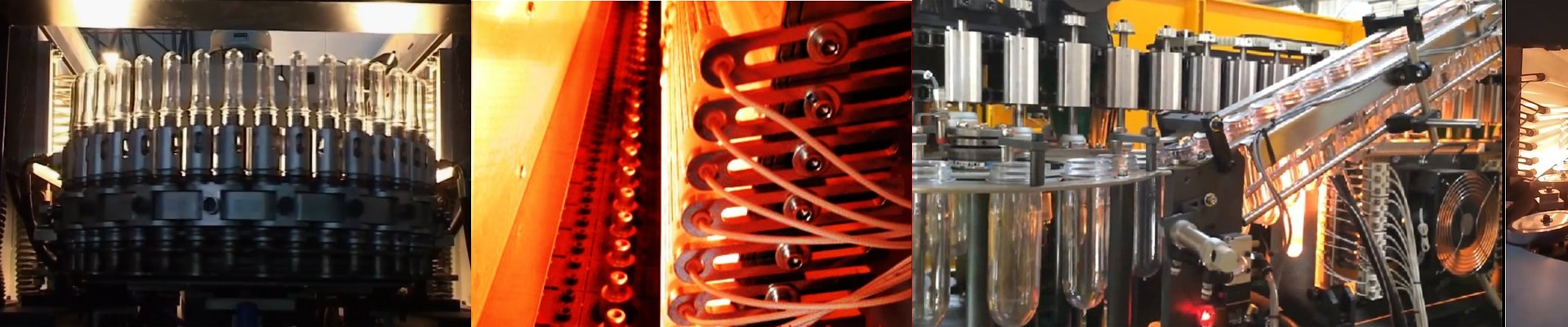
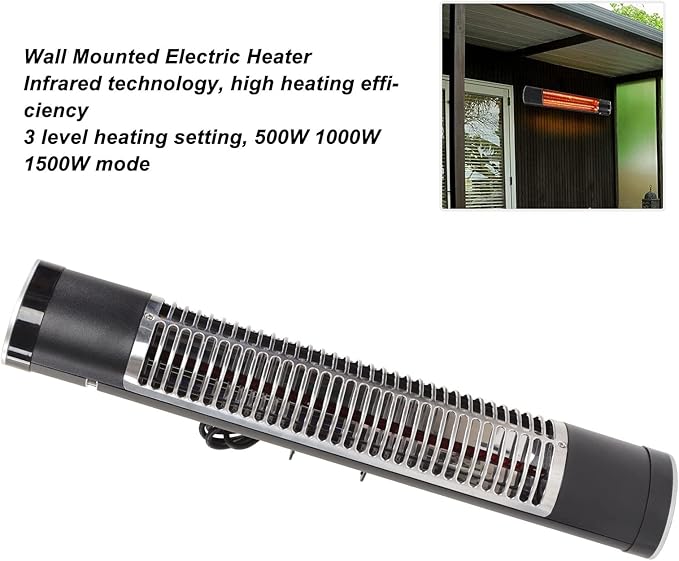
If you’re mounting infrared heaters way up in a factory ceiling, you already know it’s a brutal environment. Between the dust, the humidity, and all those random particles floating in the air, your equipment is basically fighting for its life. Here’s what actually happens: that grime settles on the heating elements. Once it hits a red-hot quartz tube, it bakes on. This creates “hotspots,” and that’s exactly how you get a tube that burns out way sooner than it should. To stop this, we built our high-output radiators with specific anti-fog and splash-proof designs. It just makes sense.
Dealing with Dust and Dampness
Water is the real enemy here. If a single drop of condensation or a stray splash hits a glowing tube, the thermal shock can crack the quartz instantly. It’s a quick way to turn an expensive heater into a paperweight. That’s why we use IP-rated enclosures. They act like a shield for the electrical guts and the ends of the tubes. Then there’s the fogging issue. We focus heavily on how air moves around the reflector and the lamp. By keeping the temperature gradient steady, we stop moisture from pooling on the lens. Why does that matter? Because if the lens fogs up, the heat can’t get through. Instead of warming up your floor, the unit ends up wasting energy trying to heat its own housing. Not exactly the goal.
The Trade-Off (And Why It’s Worth It)
Now, let’s be honest. When you add protective shields and splash-guards, you lose a tiny bit of that direct radiant heat. But look at it this way: an unprotected lamp might give you 5% more heat on day one, but it’ll probably die in half the time if your shop is humid or oily. We build these things to take a beating. The real win here isn’t a tiny bit of extra heat—it’snot having to send a technician up a 10-meter ladder every few monthsto swap out a blown tube. That’s a headache nobody wants. Just one tip: make sure your mounting brackets can handle the extra weight of the reinforced housing. You don’t want your heaters sagging over time.