
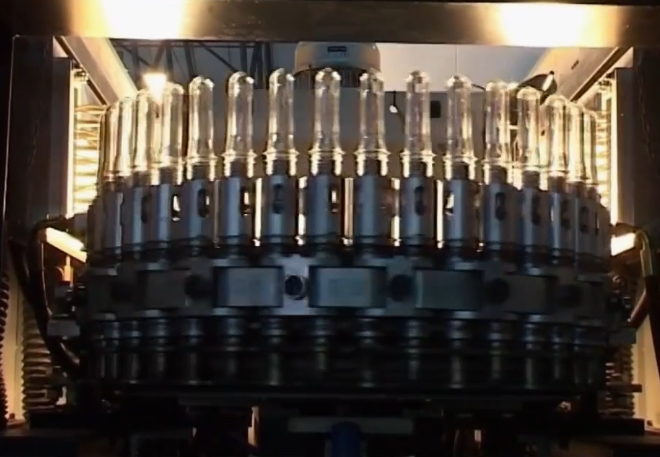
Fixing Those Annoying Heat Spots in KHS Blow Molders
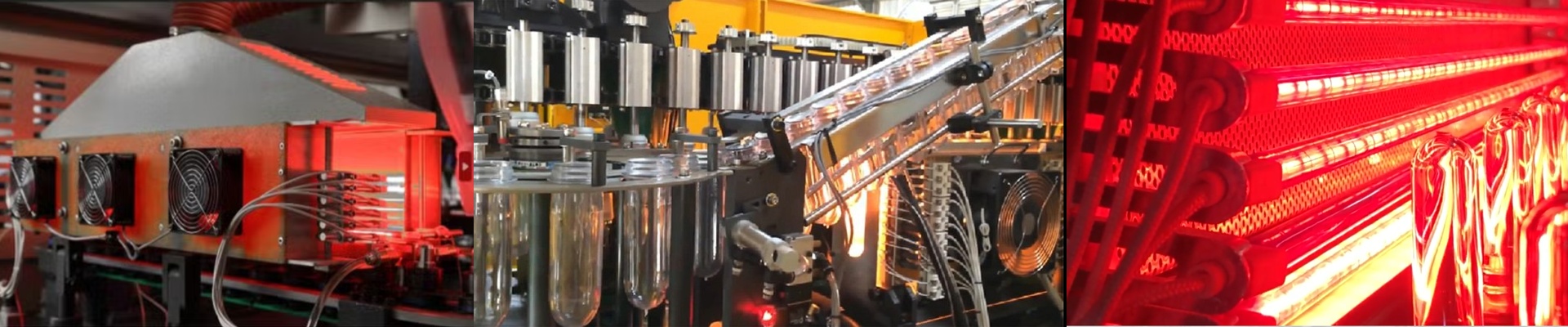
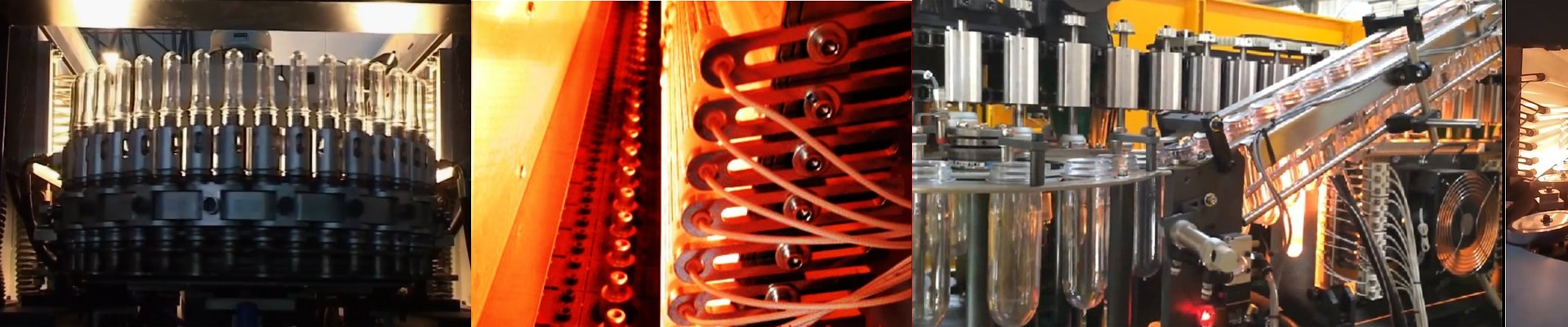
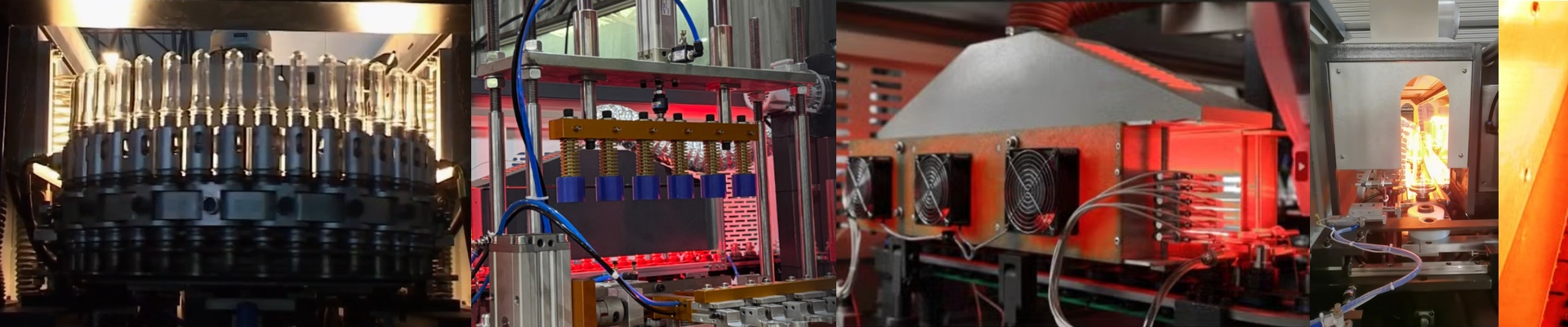
Ever pull a bottle off the line and see those weird wall thickness variations? Or worse, a bottle that just fails? Usually, it comes down to uneven heating in the PET preforms. When your KHS machine starts acting up, it’s almost always because the IR radiators are losing their touch or the filaments are just worn out. That’s where we come in. We make replacement bulbs that slide right in and do the job—sometimes even better than the originals. The trick with heat density Here is the thing: it’s all about how voltage, wattage, and length play together. To get heat to actually penetrate PET quickly, you need a high-wattage tube packed into a short quartz envelope. It has to be intense. If the voltage is off, you’re in trouble. You’ll either end up with under-heated plastic or a filament that burns out way too fast. We calibrate our tubes so the heat stays steady from one end to the other. No more “cold spots,” which means no more of that annoying “pearling” on your bottles. The nitty-gritty on quartz and coatings We use high-purity quartz because these lamps go through a lot of thermal shock. They heat up and cool down fast, and cheap glass just can’t handle that. We also stick to R7s or SK15 connectors. Why? Because a loose fit leads to arcing, and arcing ruins your socket. Simple as that. Plus, some of our bulbs have special coatings. Instead of just scorching the surface of the preform, these coatings shift the IR spectrum so the heat sinks deeper into the wall. It’s a much cleaner way to get the job done. Real talk from the shop floor Look, these lamps are built tough. They can take a beating in a hot environment. But a word of advice: if you decide to jump to a higher-output bulb to fix a heating lag, keep an eye on your cooling blowers. If your oven can’t dump the extra heat, you’re just going to kill the lamp faster. The good news is that our bulbs are direct replacements. You can swap them out and get your line moving again without having to mess around with the oven’s wiring.