Getting Your SIPA Heaters Right (Without the Headache)
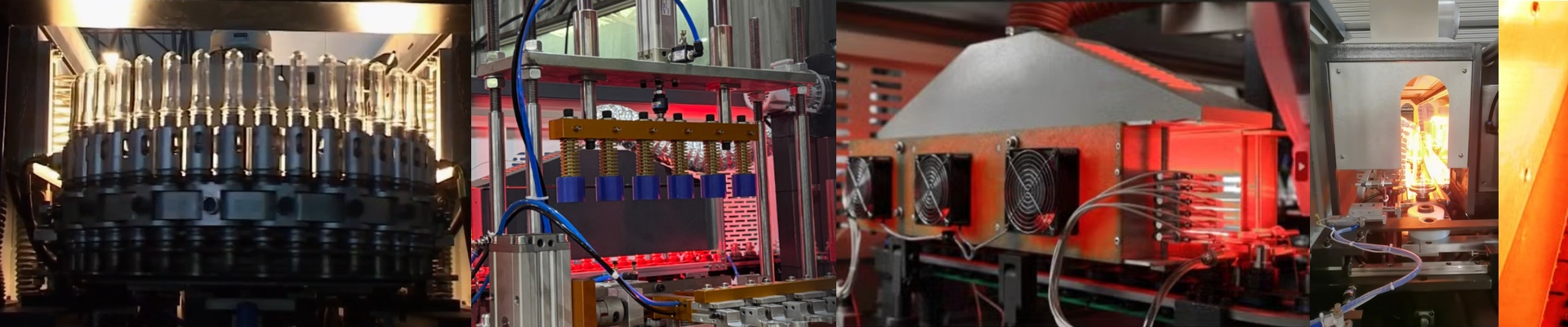
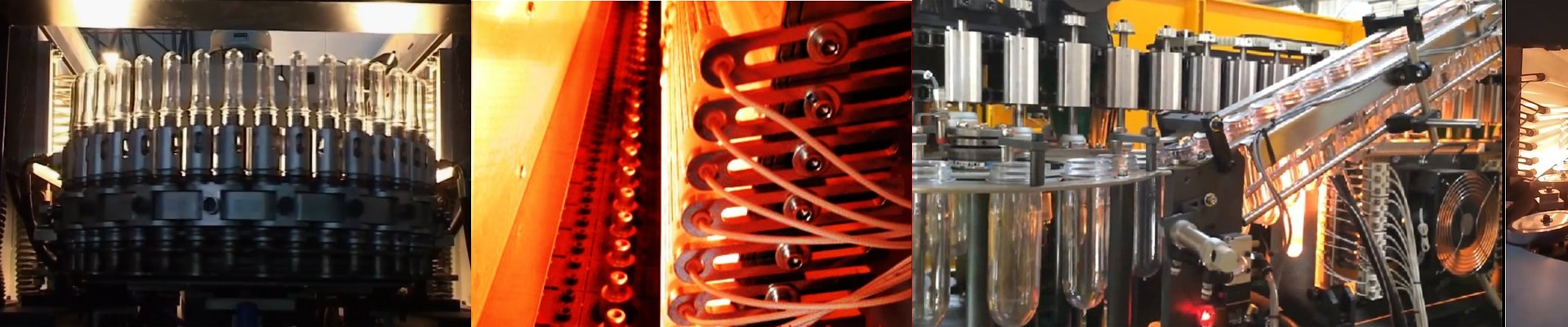
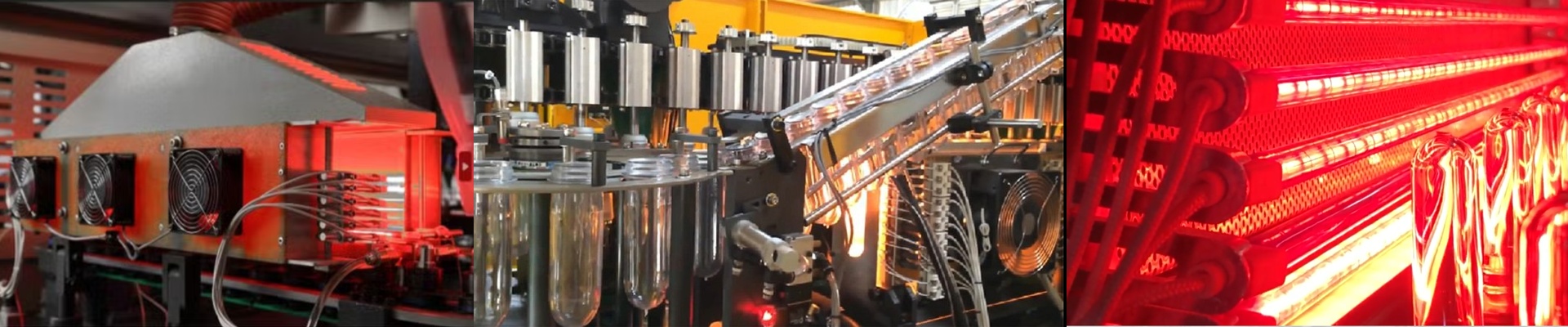
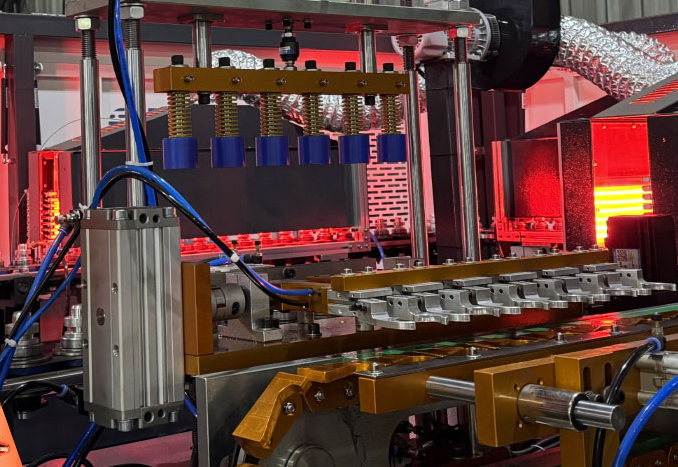
We built our infrared heating lamps to be simple drop-in replacements for SIPA machines and other PET blowing gear. When we talk about compatibility, we aren’t talking about some “close enough” generic part. We’re talking about matching the electrical and physical footprint of the original specs exactly. Because if it doesn’t fit perfectly, it’s just a piece of glass in the way. The Power Side of Things Most SIPA-style heaters run on high-voltage circuits. Why? Because you need that intense heat density to get preforms warm, and you need it fast. We build our tubes to handle those exact wattage and voltage demands. But here is a tip: keep an eye on your power supply. If you’re running an older plant, voltage spikes are common. Those spikes are silent killers—they’ll burn out your lamps way before their time. Quartz, Halogen, and the “Midnight Shift” Problem We use high-purity quartz glass filled with halogen gas. This lets the filament run hotter without just evaporating away, which means the lamp actually lasts. We also use specific coatings to shift the infrared spectrum. Instead of just scorching the surface of the plastic, the heat actually sinks in where it belongs. Then there’s the wiring. We stick to standard R7s or Sk15 bases. They’re the industry standard for a reason. You can just pop them in without messing with your sockets or adapters. It’s a small detail, but it’s a lifesaver when you’re dealing with a breakdown at 3 AM and the last thing you want to do is rewire your entire oven. Real-World Trade-offs These lamps ramp up fast, which is great for high-speed lines. But that much heat has a downside. The higher the wattage, the more heat leaks into the oven chassis. If your cooling fans are clogged with dust or just plain dying, the ambient temperature will climb. Eventually, that heat can warp your other components. Keep your airflow clear. It’s the easiest way to make sure your quartz lasts as long as possible.