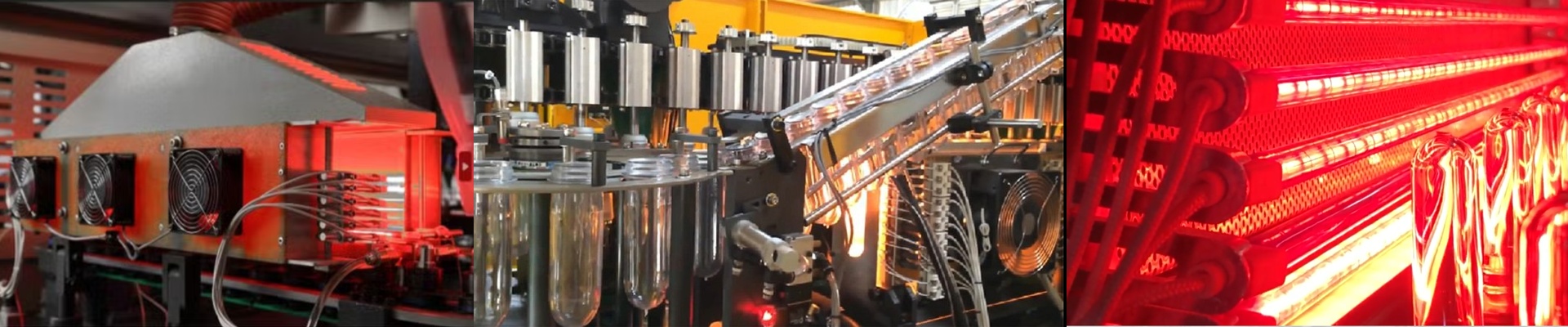
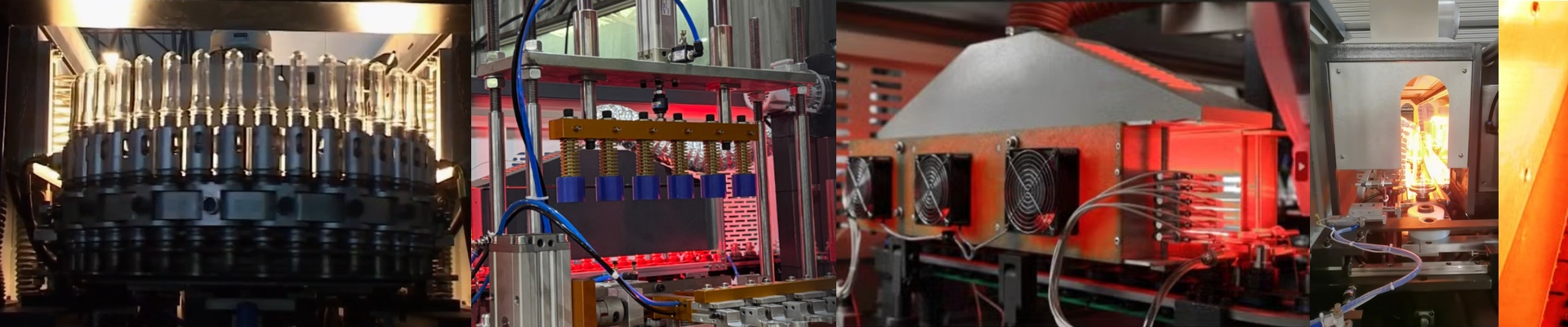
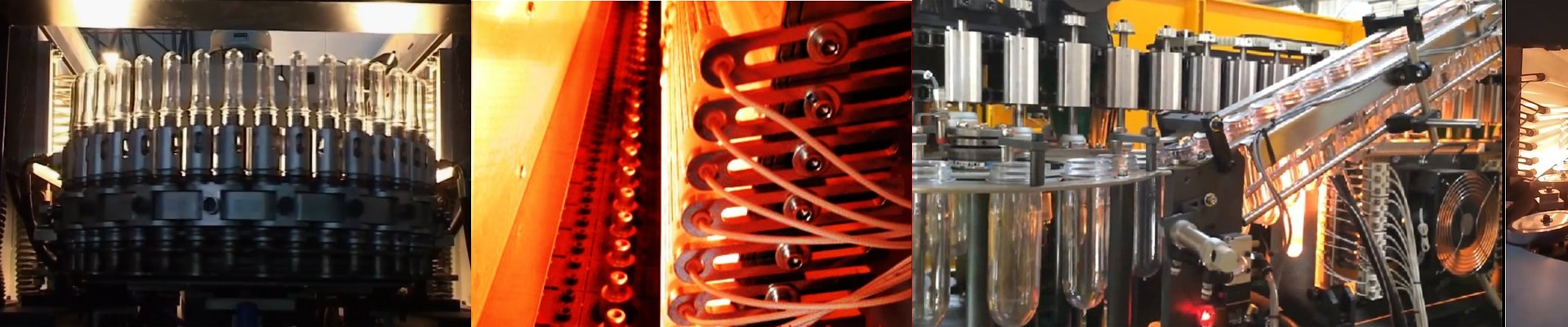
Ever notice how the top rack of a multi-deck oven treats your food differently than the bottom one? It’s frustrating. You’ve got these “cold spots” where the heat just doesn’t hit the center of the product, no matter how hard the fans are blowing. That’s why we stopped relying just on forced air and started using infrared (IR) heating lamps. Instead of just heating up the air and hoping for the best, we put IR tubes in every deck. It changes the whole process from “general warmth” to a targeted strike of heat. Control where it actually matters Standard ovens are kind of a blunt instrument. You can’t really tell the top deck to behave differently than the bottom. With IR lamps, we can give each level its own PID control. Since IR energy moves in a straight line and hits the food directly, you can crank up the wattage on the top shelf to get that perfect brown crust without overheating everything else in the oven. It’s a much cleaner way to work. The nitty-gritty stuff We usually go with quartz halogen tubes. They handle the heat beautifully and let the short-wave radiation pass right through. And if you need a specific kind of heat for your recipe, we can actually coat the tubes to shift the wavelength. One thing we’re obsessive about? The wiring. We use R7s or SK15 bases because they stay put. There’s nothing worse than a connector vibrating loose while the oven is running. Also, make sure your voltage (220V or 380V) matches your power rail. If it doesn’t, your heat density drops, and you’re back to square one. The trade-offs Here’s the deal: IR is instant. There’s no waiting around for the oven to “warm up.” But that intensity comes with a catch. These tubes are fragile. If a tray slips and hits a lamp, it’s going to shatter. You’ll want to install guards or be really precise with your rack clearances. And remember, IR is directional. If you pile your product too high, the bottom layers are basically in the dark. You still need those convection fans to keep the air moving and the heat circulating.