Getting Your Steam Oven to React in a Heartbeat
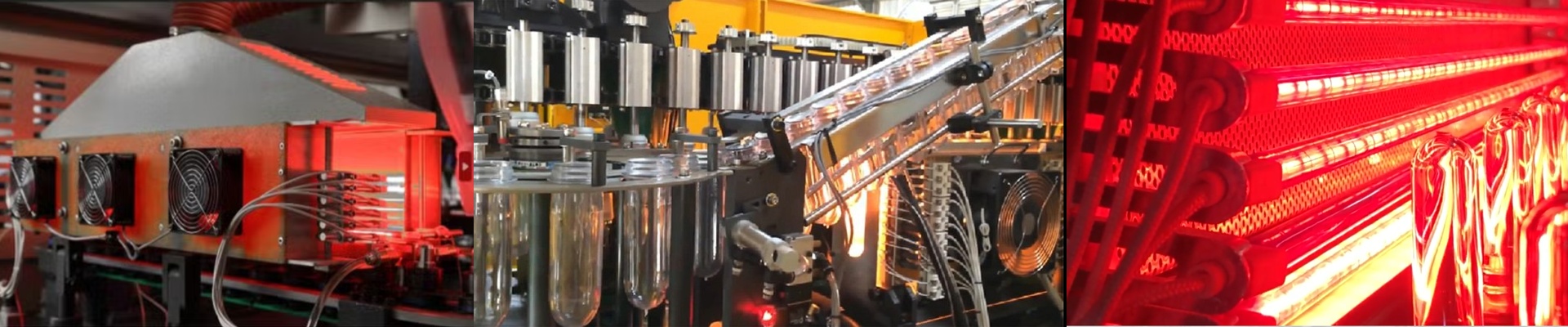
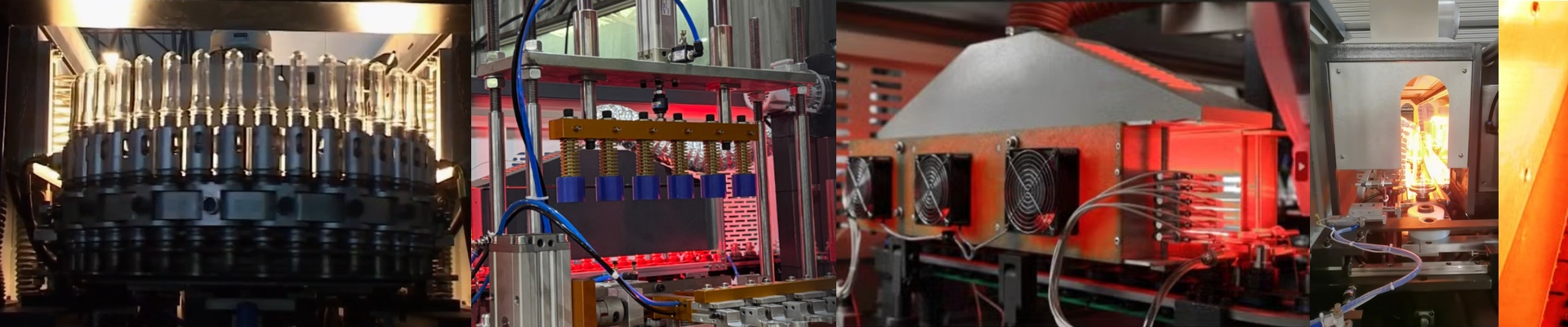
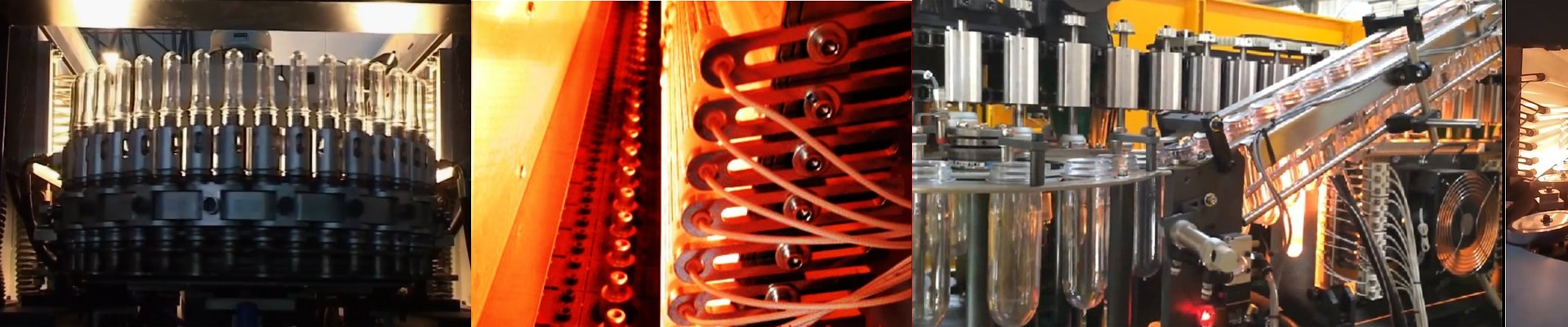
If you’ve ever worked with steam ovens, you know the struggle with temperature swings. Most heating elements have this annoying “lag”—you tell them to heat up, and they take their sweet time getting there. When you’re cycling power on and off constantly, that delay is a killer. We tackled this by using far-infrared (FIR) lamps. The goal? To hit your target temperature in seconds, even when you’re hammering the power switch.
Why it actually works
It all comes down to how much “stuff” needs to get hot. Heavy elements take forever to warm up. We use high-purity quartz and a specific tungsten filament to keep things lean. Because there’s so little mass, the filament hits its peak temperature almost the instant you flip the switch. And here is the best part: you aren’t waiting for air to warm up or a heavy metal plate to soak up heat. The energy moves in waves. It just hits the food or the steam directly.No waiting. No wasted time.
Dealing with the “On-Off” Stress
Let’s be honest: cycling power constantly is brutal on a heating element. Those surges can make tungsten migrate or cause the glass to snap from the thermal shock. It’s a recipe for a burnout. We fixed this by tweaking the filament diameter and the gas fill inside the tube. It creates a balance that lets the lamp handle rapid-fire switching without giving up the ghost. We also beefed up the end-caps. Between the vibration of industrial fans and the constant expanding and contracting of the glass, connections can get loose. These reinforced caps keep everything tight.
A few things to watch out for
These lamps pack a punch. The ramp-up is incredibly fast, but that puts a lot of pressure on your PID controllers and relays. If your gear isn’t rated for that initial spike in current, you’re going to fry your contactors. Just double-check that your wiring can handle the wattage of the whole array. If the voltage drops, your response time slows down, and you lose that “instant” feel we’re aiming for.