


Making Your Smart Home Warm (Even in the Splash Zone)
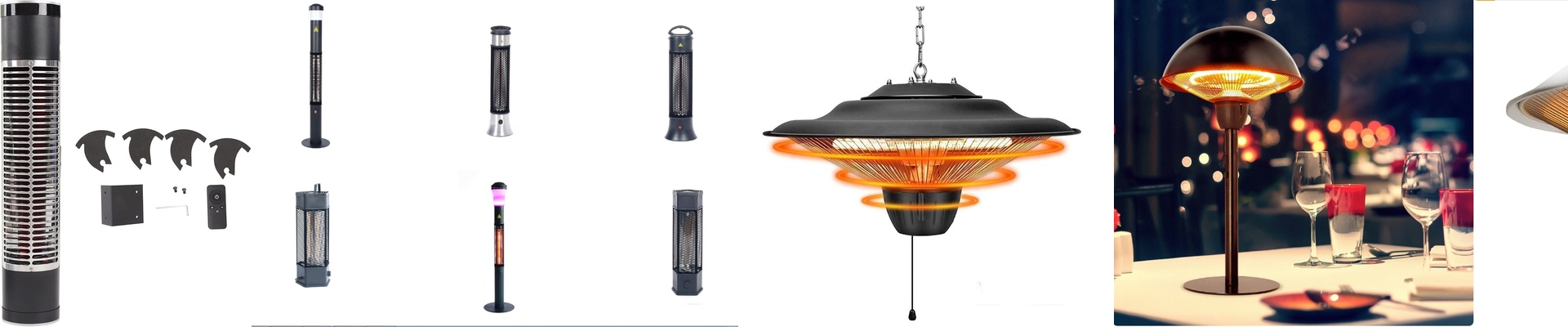
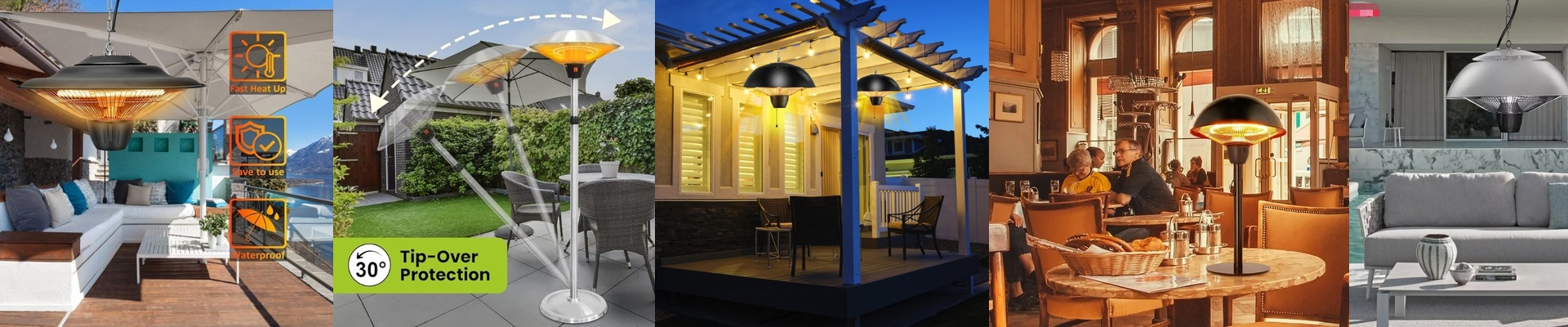
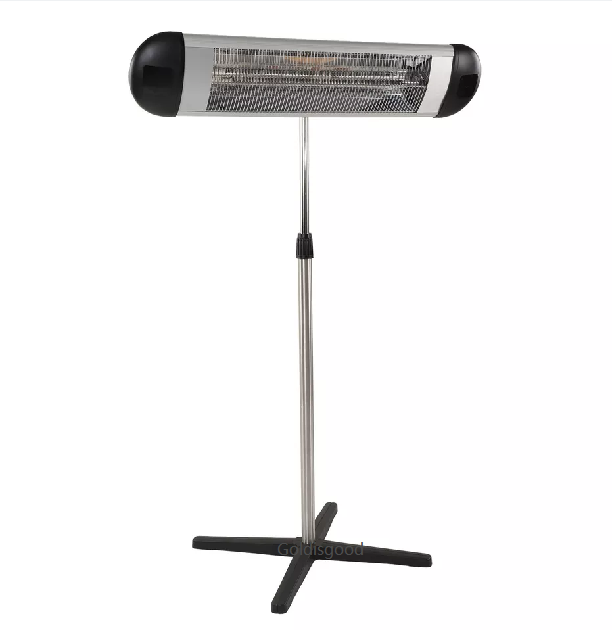
We built our IPX5-rated infrared heaters for those spots where water and electricity usually don’t mix. I’m talking about your bathroom, the kitchen, or that open patio where a sudden rain shower could ruin your night. The IPX5 rating is basically a fancy way of saying the housing and the wiring can take a direct hit from a water jet and keep humming along without shorting out. Instant warmth. No waiting. Here is the cool part: infrared doesn’t bother warming up the air around you. Instead, it sends out energy that hits your skin and turns into heat immediately. You flip the switch, and boom—you feel it. To make this “smart,” we just hook the heater up to a relay or a smart dimmer through your home hub. Now, you can kick the heat on from your phone or set a timer so the bathroom is cozy before you even step out of the shower. Getting it to talk to your phone If you want that “winter to spring” feeling in a few seconds, you need a controller that can handle a heavy power load. We usually stick with Zigbee or Wi-Fi modules to bridge the gap. It’s a pretty simple path: you tap a button in the app, the relay clicks, and the infrared tube glows. No lag. No fuss. A few things to watch out for There is a bit of a catch when you put high heat inside a waterproof box. Since the IPX5 seal is so good at keeping water out, it can accidentally trap heat inside the electronics bay. You’ll want to make sure you’ve got decent ventilation or use a controller with a heat sink. Otherwise, the smart module might get too hot and trip the safety cutoff, which is a pain to reset. And a quick tip on the wiring: these units pull a lot of juice. If you use wires that are too thin, they’ll heat up. Over time, that heat can actually melt or degrade those waterproof seals we worked so hard to build. Do yourself a favor and put these on a dedicated circuit. It saves you from a trip to the breaker box every time the heat kicks in.