Let’s Talk About Bathroom Heating: Why “Explosion-Proof” Quartz Actually Matters
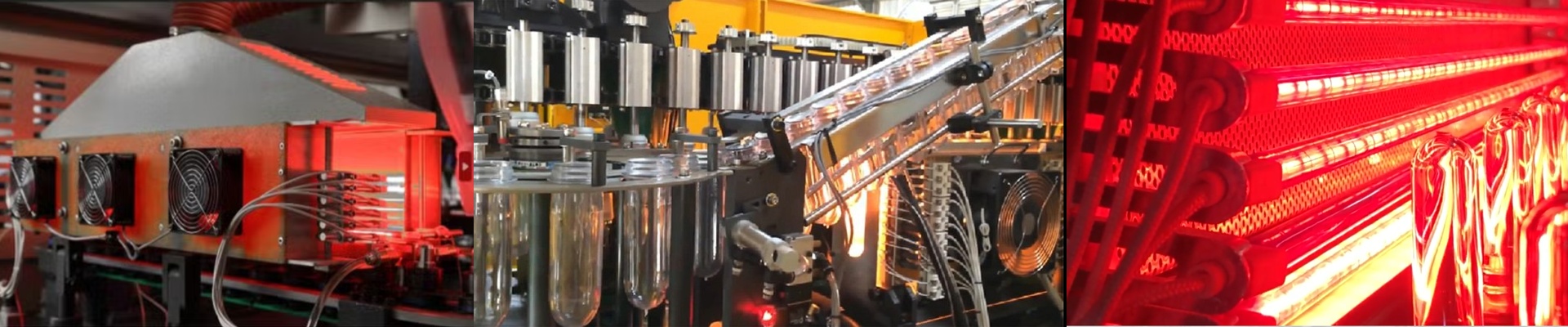
Heating a bathroom is a tricky bit of business. You need something that puts out a ton of heat, but it also has to survive a room that’s basically a steam sauna. That’s why we lean on infrared quartz lamps. Whether it’s for clearing a fogged-up mirror or just keeping you warm, these things are great because they heat you directly. They don’t waste time trying to warm up all the air in the room first. The “Explosion” Part (Don’t Panic) Here is the thing: bathrooms have crazy temperature swings. Imagine a lamp running at 800°C. Now imagine a stray splash of cold water hitting it. With a cheap, standard quartz tube, that’s a recipe for disaster. The thermal shock is too much, and the glass can just shatter. Nobody wants shards of glass flying around the shower. That’s why we use “explosion-proof” quartz. It’s just a fancy way of saying the glass is treated to handle those wild jumps from hot to cold without cracking. It gives you a lot more peace of mind. The Nitty-Gritty on Heat We usually go with short-wave or medium-wave spectrums. Why? Because they cut through the moisture in the air way faster. We also use high-purity quartz. It doesn’t expand or shrink nearly as much when the temperature spikes, which keeps the whole thing stable. Plus, we make sure the filament is dead-center so you don’t get those dangerous hot spots on the glass. But be careful with the wattage. Sure, cranking up the power clears a mirror in seconds. But if you push too much wattage into a tube that’s too short, you’re going to fry the seals. It’s a balancing act. Go too hard, and your lamp won’t last nearly as long. Setting It Up Right Since you’re dealing with steam and splashes, you can’t just wing the installation. You need IP-rated housings and reinforced connectors. If you don’t, the steam will eat your connections through oxidation, and you’ll be replacing wires way sooner than you should. One last tip: these lamps are tough, but they aren’t invincible. If your housing doesn’t have enough ventilation, the heat just sits there. It builds up around the sockets and can actually melt your wiring insulation. Make sure there’s plenty of room for air to move. Keep the electrical parts cool, and let the tube do the heavy lifting.