Getting Ceramic Heaters Right in Automated Kitchens
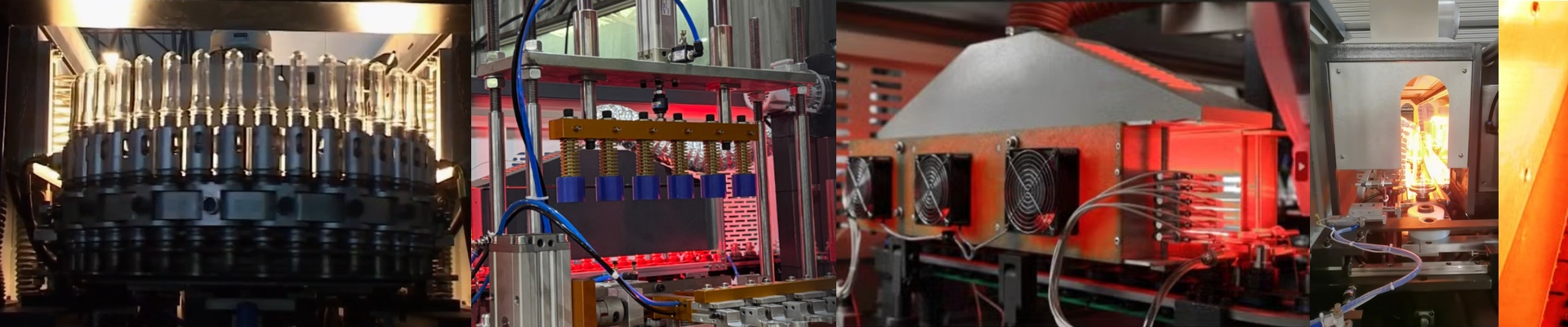
When you’re running an automated kitchen, keeping food warm is a bit of a tightrope walk. You want it hot, but you don’t want it dried out and leathery. That’s where these ceramic infrared heaters come in. They don’t just blast heat; they use short-wave radiation to get the job done fast. But the real secret isn’t the heater itself—it’s how we control it.
Why these heaters actually work
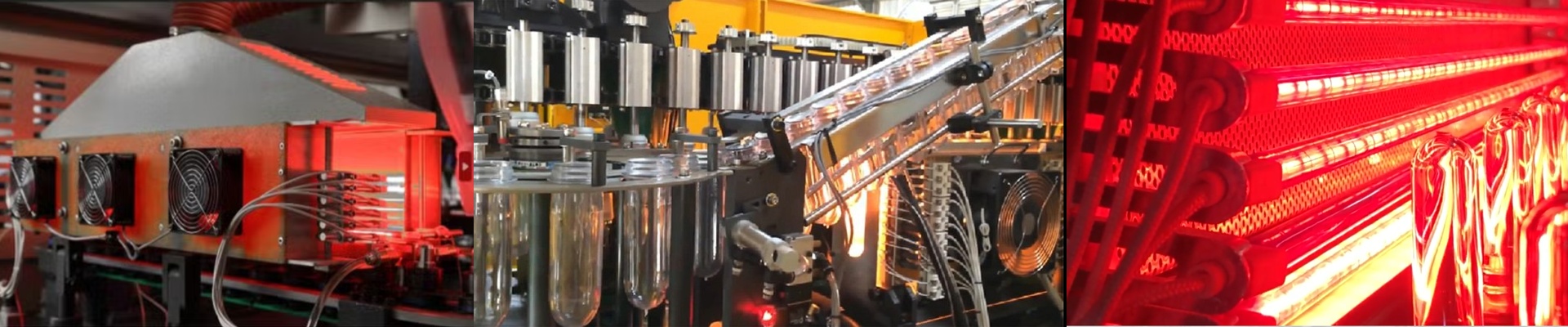
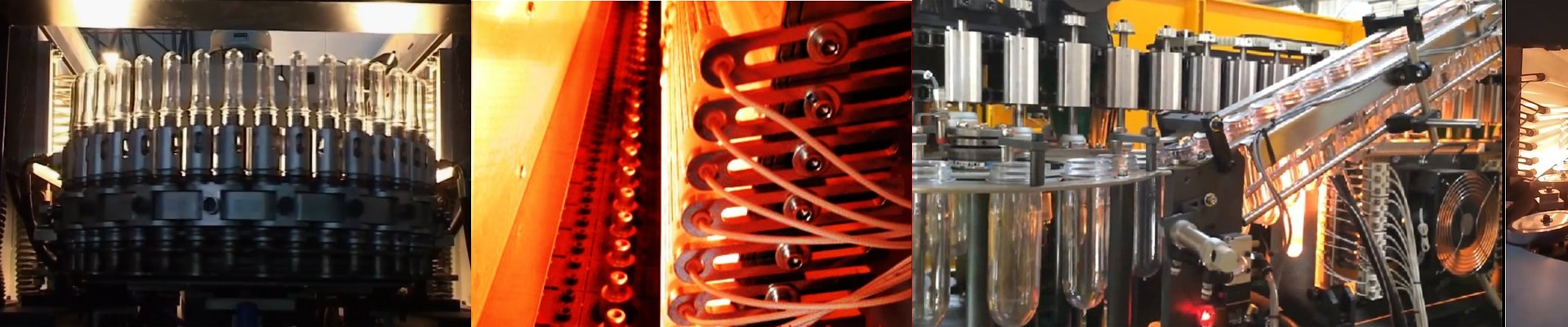
Think of these as high-density heat engines. Because the heating element is baked right into the ceramic, they can get incredibly hot, incredibly fast. The best part? They don’t waste time heating up the air around the food. They send energy straight to the target. It’s nearly instant. When a sensor picks up a new tray sliding into the warming zone, the heater kicks in and hits the target temp in seconds. No waiting around.
The “Brain” behind the heat
You can’t just use a basic thermostat here. That’s a recipe for “too hot, then too cold.” Instead, we use PID controllers paired with IR sensors or K-type thermocouples. To keep things steady, we use Solid State Relays (SSRs) and something called PWM. Basically, we’re flicking the power on and off in tiny, millisecond pulses. It sounds chaotic, but it actually creates a perfectly flat temperature line. No “overshooting” the temp, no burnt edges—just a steady, reliable warmth.
The tricky parts (The Engineering)
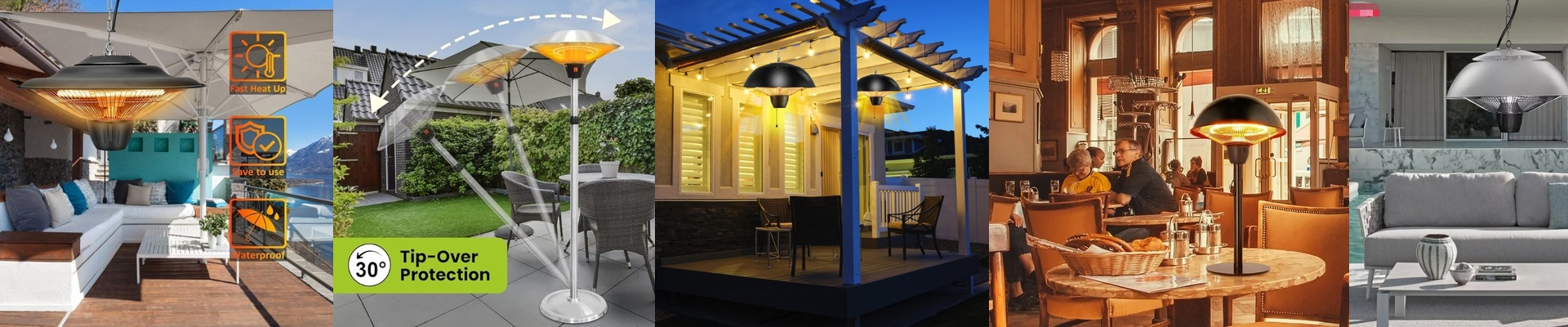
Nothing is perfect. High-wattage elements are great for speed, but they’re thirsty for power and they generate a lot of ambient heat. If you cram ten of these into a small display case, you’ve got a problem. The cabinet becomes an oven, and if you aren’t careful, your control electronics will literally fry. That’s why we spend so much time figuring out the ventilation and cooling fans. You have to move the heat away from the brains of the operation. We also tweak the size of the ceramic plates for every project. Every rack layout is different, and we want the heat to hit the food evenly. No hot spots, no cold corners. Just a consistent glow that keeps the food exactly where it needs to be.