
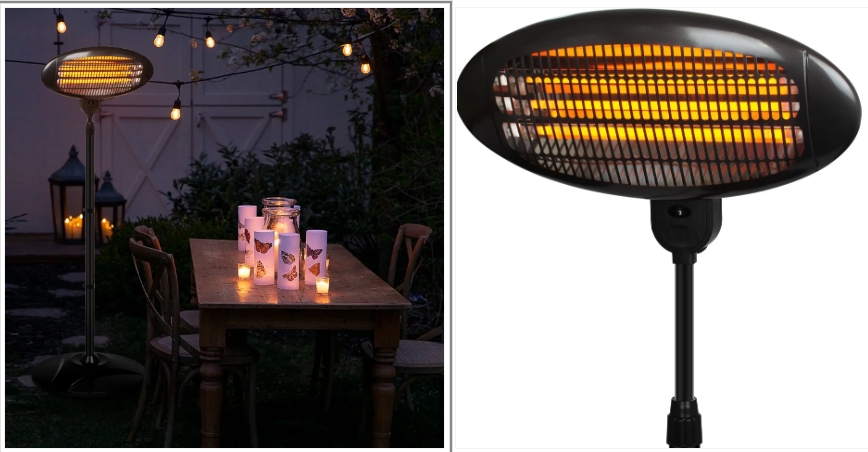
Keeping the Heat On (Without Blowing Things Up): A Look at IP66 Quartz Heaters
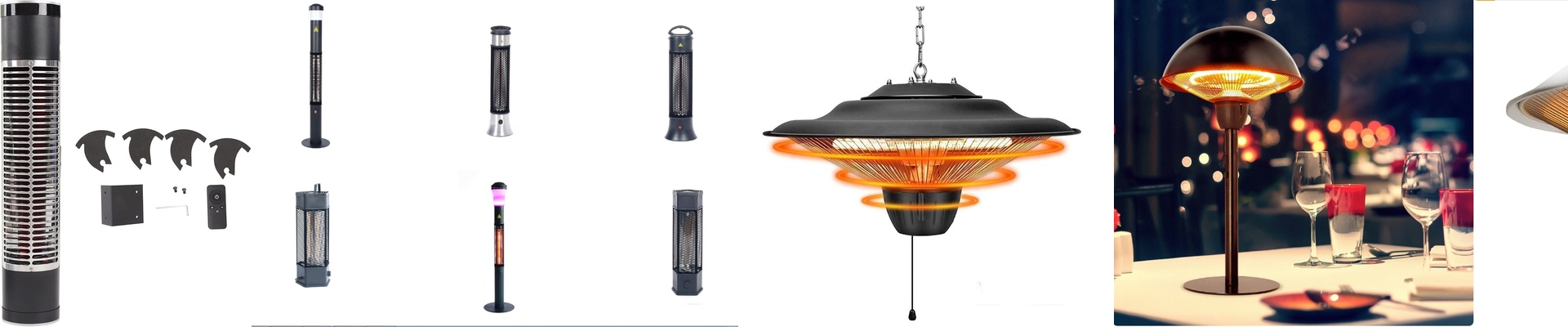
When you’re putting heaters in a bathroom or any place where things get damp, you’re dealing with more than just a chill in the air. You’re playing a game of risk with electrical arcs and glass that could potentially shatter. That’s why we don’t mess around. We use IP66-rated housings and quartz tubes that are built to handle the pressure.
Why “Explosion-Proof” Actually Matters
Here’s the thing about standard quartz tubes: they hate cold water. If a splash of cold water hits a glowing hot tube, it can snap. That’s called thermal shock, and it’s not pretty. To stop that, we use tubes with a reinforced internal structure or a protective sleeve. If the glass does break, the sleeve keeps the shards from flying everywhere. Plus, the quartz is great because it lets short-wave infrared heat pass straight through. It doesn’t waste energy heating the air; it hits you directly. It’s instant warmth.
Dealing with Steam and Splashes
An IP66 rating is basically a fancy way of saying the unit is dust-tight and can take a direct hit from a high-pressure water jet. We make this happen with heavy-duty gaskets and sealed cable entries. Why? Because in a shower, steam gets into everything. If a little moisture creeps into the terminals, your unit is going to trip or short out. Since humidity in a washroom can hit 100%, those seals are the only thing keeping the guts of the machine dry.
The Real-World Stuff
Now, there are a few things to keep in mind. Infrared heat is fast. Really fast. But that speed comes with a cost: these units pull a lot of power. Make sure your circuit breakers can handle that initial surge, or you’ll be flipping switches all day. And a heads-up on installation: while the IP66 shell protects the wiring, that quartz tube still gets scorching hot. Give it some breathing room. If you mount it too close to the ceiling or some plastic trim, you’re going to end up with melt marks. One last tip: wire it to a dedicated GFCI circuit. That way, if a seal ever fails, the power cuts out instantly before anyone gets hurt. Simple, safe, and it just works.