Making Your PET Preform Lamps Actually Fit
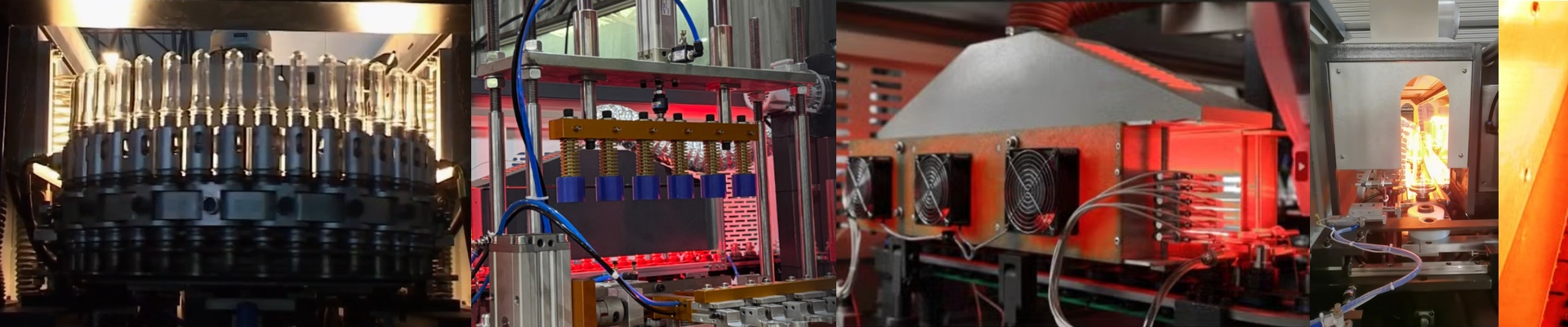
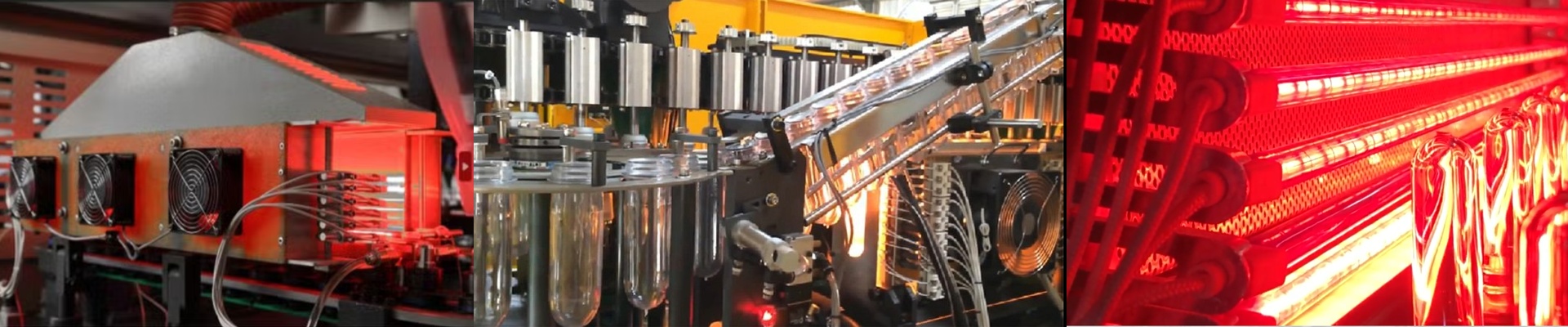
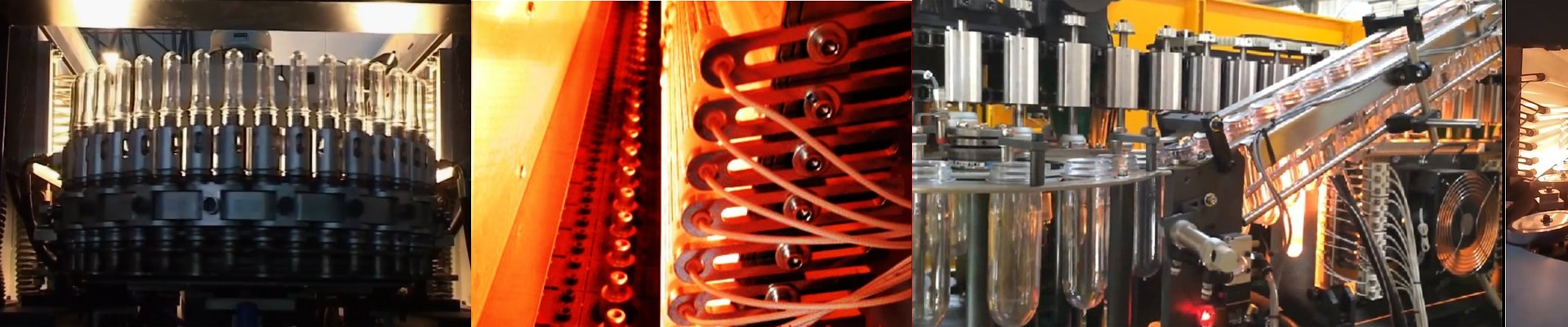
Let’s be honest: most blow molding lines are a bit of a mess. You’ve probably got a mix of different brands and machines from three different decades all running at once. The last thing you need when a lamp goes out is a project that requires custom machine mods or a degree in engineering just to get a replacement in. That’s why we build our shortwave infrared lamps to be simple drop-in replacements. We focus on the three things that actually matter: the electrical load, the physical size, and the heat output. The nitty-gritty on power and fit We make lamps in a ton of different voltages and wattages because we know every power grid is different. Whether your setup runs on 230V or 400V, we match the wattage so your heat stays consistent. But here is a pro tip: if you’re running a 300mm tube at 2500W, you’re putting out a massive amount of energy. Just make sure your cooling blowers are actually doing their job. If those fans fail, the quartz envelope is going to stress out and burn out way faster than it should. Better materials, less headache We use high-purity quartz glass and halogen gas fills. Why? Because it lets the lamps run hotter than the standard stuff, which means you hit your preheating temperatures faster. For the connectors, we stick with R7s and Sk15 bases. They’re the old reliable of the industry. They seat firmly in the socket, so you don’t have to worry about arcing. We even add a special coating to some of our tubes to bounce the heat back toward the preform. It just stops you from wasting energy. Getting back to work Replacing a lamp shouldn’t mean calling in a technician to rewrite your PLC logic. It shouldn’t be that complicated. Our lamps are designed to mimic the thermal profile you already have. You wire it up, tweak your power controllers, and you’re back in business. Plus, we keep our tolerances tight on the length and diameter, so you aren’t fighting with mounting clips for twenty minutes. We keep these in stock. You swap the dead tube, flip the switch, and get the line moving again. Simple as that.