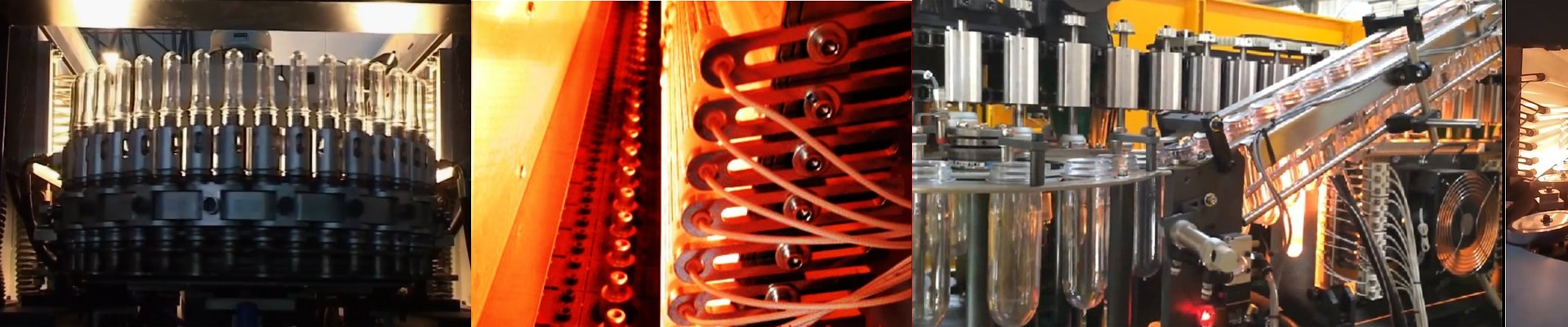
Stop Fighting with Your KHS Blow Molding Heat
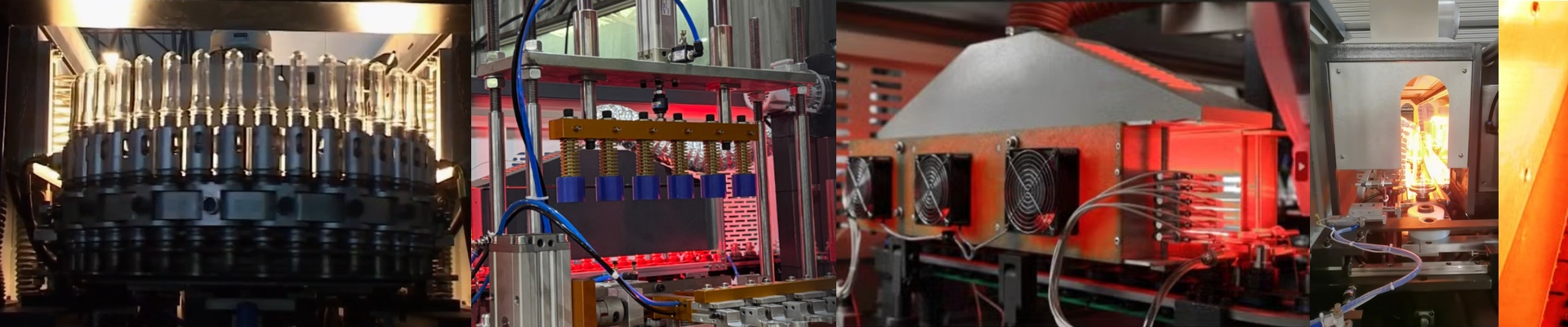
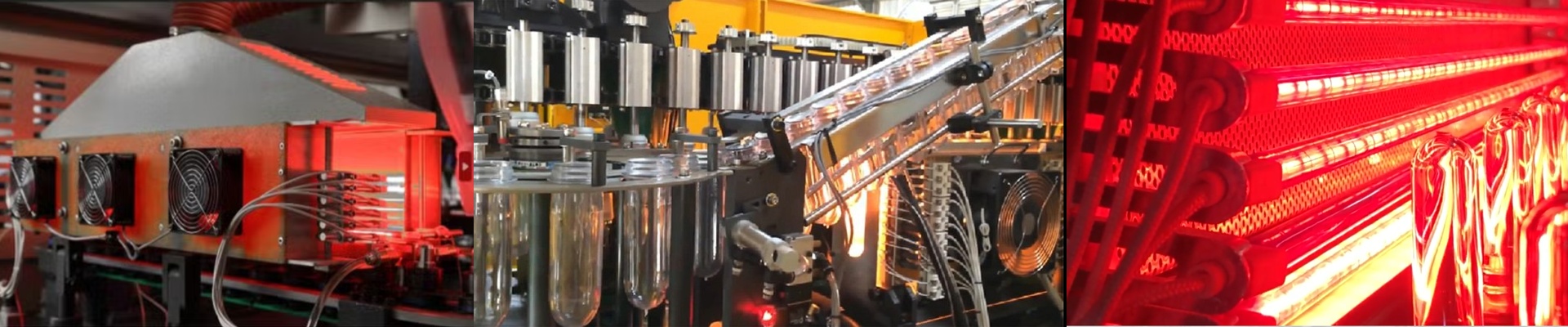
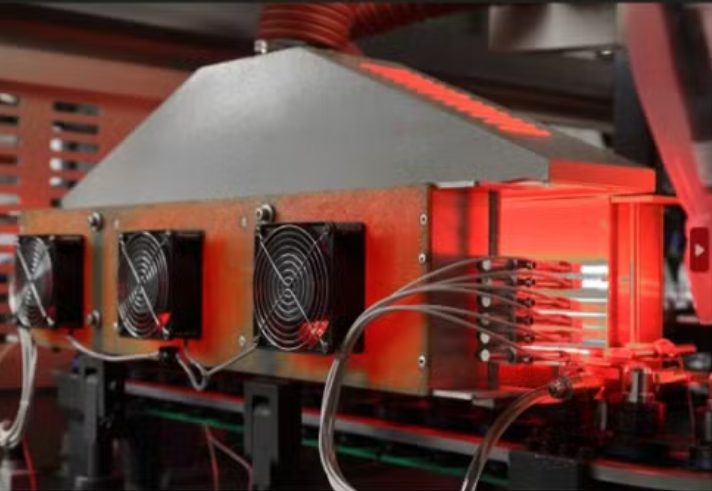
If you’ve spent any time on the shop floor, you know the headache. You’re looking at your KHS machines and the heat just isn’t hitting right. One preform comes out perfect, the next has a cold spot, and the one after that is practically melting. Usually, it comes down to the lamps. Either the filament is shot or the spectral output is just off. That’s why we make SBO-compatible heater lamps. We wanted to get rid of those annoying thermal gaps once and for all. The grit behind the glow Here’s the thing about power density: it’s a balancing act. These lamps run on high-voltage circuits to keep the wattage steady across the whole tube. When that balance is right, the infrared energy hits the PET preform consistently from top to bottom. If the wattage doesn’t match your oven’s footprint, you’re going to see “pearling” or weird, uneven walls in your bottles. Nobody wants to scrap a whole batch because of a few bad tubes. Better glass, better heat We use high-purity quartz glass because it keeps the energy where it belongs—on the plastic, not wasting away. A lot of people stick with OEM lamps, and that’s fine. But we’ve tweaked the way we wind our filaments to kill off those “cold ends” you see in cheaper replacements. We’ve actually mapped the thermal output to make sure the heat stays centered. And the best part? You just pop them right into your KHS setup. No rewiring, no fuss. They just fit. The trade-off you should know about Now, look—nothing is magic. When you push more wattage through a shorter tube to get that punchy, uniform heat, you put more stress on the quartz. You’ll get a faster heat-up time and a much better bottle, but you have to take care of your gear. Keep your ventilation clear. If your cooling fans quit or the airflow gets blocked, these lamps will burn out fast because the electrodes will overheat. Oh, and keep your reflectors clean. If they’re covered in grime, you’re wasting the very infrared reflection you paid for.