Getting That Perfect Golden Crust: Why Fast Infrared is a Must
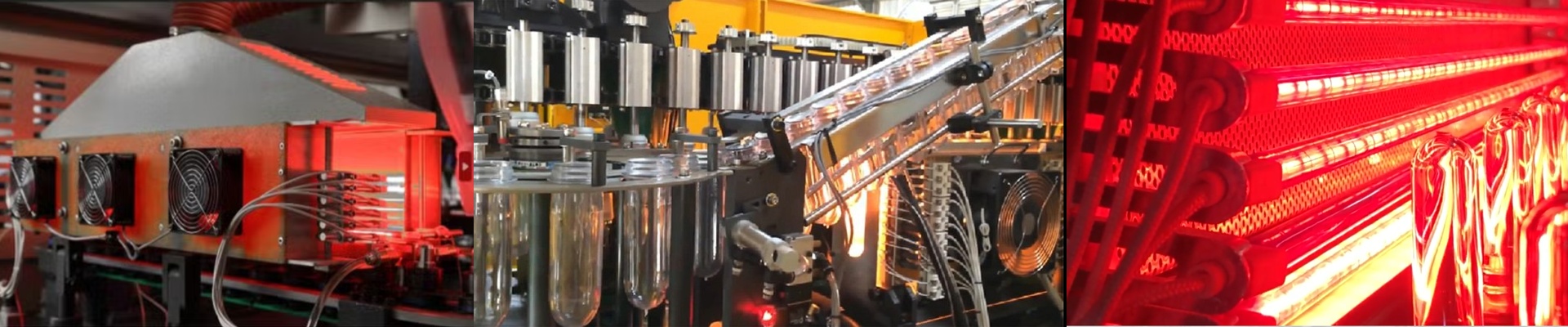
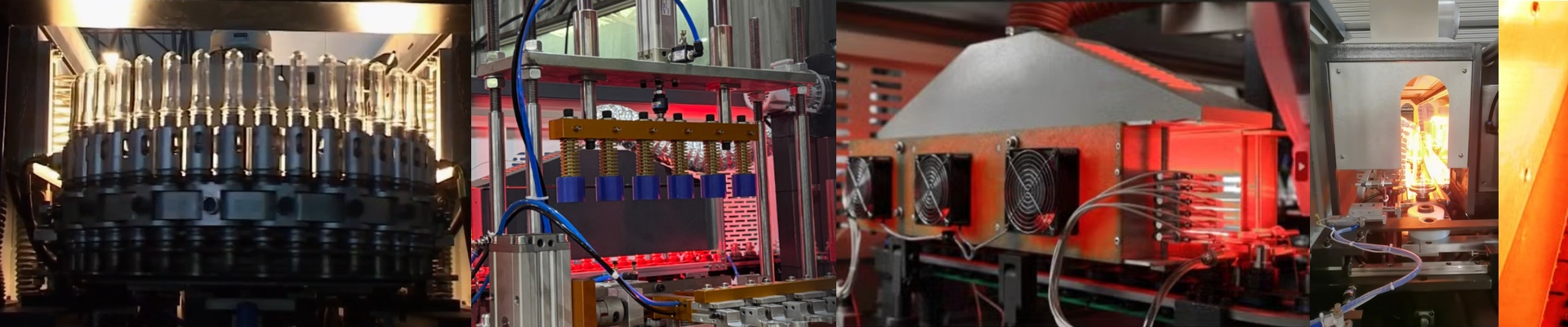
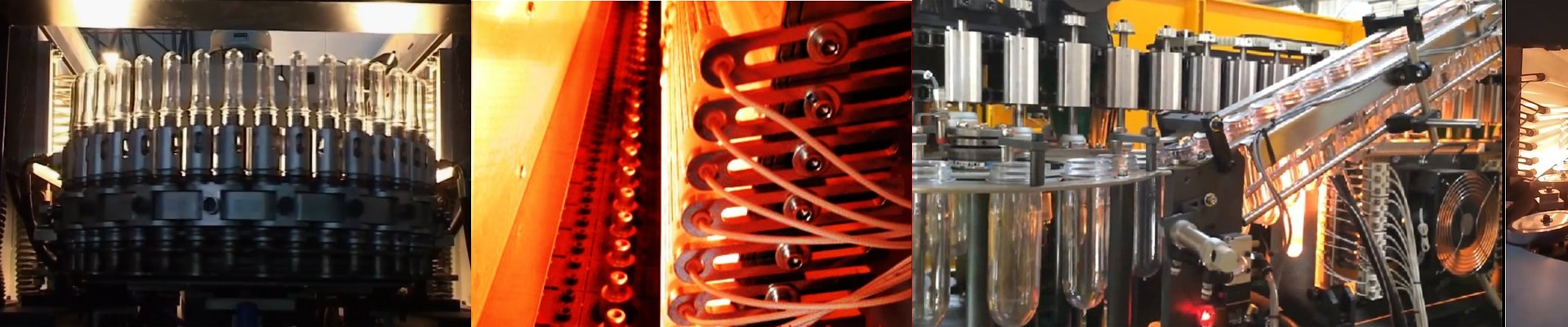
Ever wonder why some loaves have that gorgeous, deep golden-brown crust while others just look… pale? It all comes down to the Maillard reaction. Basically, you need a sudden, intense hit of heat on the surface to get that color. The problem is that standard convection ovens are a bit too slow. They heat the air first, and by the time the crust actually starts to brown, the inside of your bread can get dried out. That’s why we use circular radiant heaters. They skip the middleman—the air—and hit the dough directly. The Secret is Speed In a professional bakery, timing is everything. You need a heater that reacts in a split second. Our circular quartz heaters use short-wave infrared radiation. Unlike those heavy heating elements that take forever to warm up, these lamps hit full power almost the instant you flip the switch. This means you can trigger the browning exactly when the bread hits its peak rise. If you’re off by even a few seconds, you’re either looking at a burnt interior or a crust that looks like it didn’t finish baking. It’s a tight window. The Nitty-Gritty on Design We use high-purity quartz glass because it lets the IR rays through without blocking them. The circular shape is intentional, too. It wraps the heat around the dome of the loaf so you don’t end up with those annoying burnt patches or “hot spots.” Now, a quick heads-up on the power side of things. More wattage means you can push more bread through the oven faster. But keep an eye on your electrical setup. If you go for a high-wattage array, just make sure your wiring can handle the draw. You don’t want your control panel overheating because the cables are too thin. Making it Work in Your Oven These units are built to be simple drop-in replacements for standard circular mounts. They’re easy to swap. One thing to keep in mind: because they heat up so fast, they also cool down just as quickly. There’s no “residual heat” hanging around. The moment the power cuts, the heat stops. To keep things steady during those final moments of the bake, I highly recommend using a precise PID controller. It stops the temperature from dipping too low right when you need it most.