

Why Your Outdoor Heater Actually Dies (And How We Fix It)
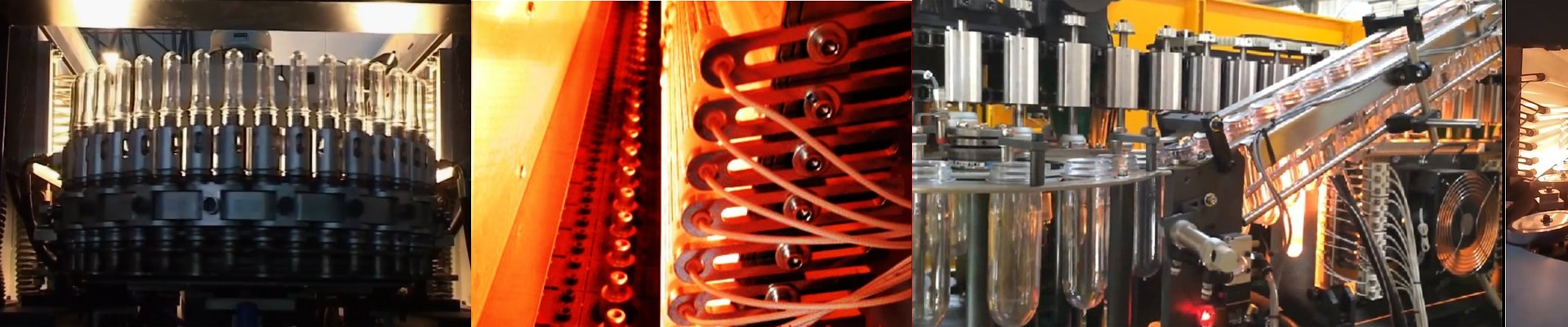
When people talk about waterproofing an outdoor infrared heater, they usually focus on the big outer shell. But that’s not where the real trouble starts. The real nightmare happens at the junction—right where the electrical wires plug into the heating element. If you’re looking at an IP65-rated unit, that little spot is taking a constant beating from rain, humidity, and wild temperature swings.
The “Breathing” Problem
Most heaters on the market just use a bit of glue or a basic silicone gasket. Honestly? That’s a recipe for disaster. Here’s the thing: when an IR heater kicks on and off, those wires expand and contract. It’s almost like the unit is breathing. Over time, that movement creates tiny, invisible gaps in the seal. Once a little moisture sneaks in, it hits those high-temp terminals and starts a chain reaction. You get oxidation, then carbon tracking, and then—pop—you’ve got a dead short. We do things differently. We use high-temp potting compounds and double-layered compression seals to basically lock the humidity out. It keeps the insulation from baking until it cracks, which is exactly what happens when a seal isn’t airtight.
The Problem with “Contractor-Grade”
You’ll see a lot of “contractor-grade” heaters that rely on generic heat-shrink tubing. It looks fine on day one. But when you’re dealing with localized heat over 200°C, that plastic just gives up. It degrades. It shrinks away from the connection. To stop that, we use fiberglass-silicone sleeves or high-grade fluoropolymers. They don’t melt, and they don’t budge.
One Small Catch
There is a trade-off, though. Because our seals are so tight, the wires are a bit stiffer. You can’t just bend these leads into a sharp angle like you can with cheap, unsealed wires. If you do, you risk cracking the potting compound. Just make sure you leave a little slack in your wiring harness. Don’t pull it tight. At the end of the day, getting the sealing right changes everything. It turns a “will it survive the winter?” gamble into a predictable piece of gear. It’s the difference between replacing your unit every single season and having one that actually lasts five years through the rain and snow.