
Stop Fighting the Lag
In high-speed heating, that tiny gap between when your controller says “stop” and when the heat actually drops? That’s where the money disappears. That lag is exactly what causes scrap. Circular clear quartz infrared heaters fix this because they don’t hold onto heat. Most resistive elements are like heavy cast-iron pans—they take forever to warm up and even longer to cool down. Quartz lamps are different. They hit you with radiation almost instantly.
Why “Fast” Actually Matters
We build these lamps to hit your target temperature in seconds. But the real magic happens when you cut the power. The heat output just… stops. If you’ve ever dealt with ceramic or metal heaters, you know the pain of “overshoot,” where the temperature keeps climbing even after the power is off. It’s frustrating. If you’re running a PID loop, you need this kind of snap-response to keep your temperature window tight. You aren’t stuck waiting for a heavy piece of metal to cool off before the system can fix itself.
The Nitty-Gritty on Materials
We use clear quartz for a simple reason: it lets shortwave IR radiation fly right through without soaking it up. The energy goes straight into your workpiece, not into the lamp housing. We also use high-purity quartz so the tubes don’t warp or get wonky when you’re cycling the heat up and down. You can pack a lot of wattage into a small space with these. But a word of caution: high heat density is tough on your hardware. If you’re pushing 2000W or more through a compact tube, double-check your wiring. Make sure your connectors can actually handle the current, or you’ll be dealing with burnt-out terminals.
Putting Them to Work
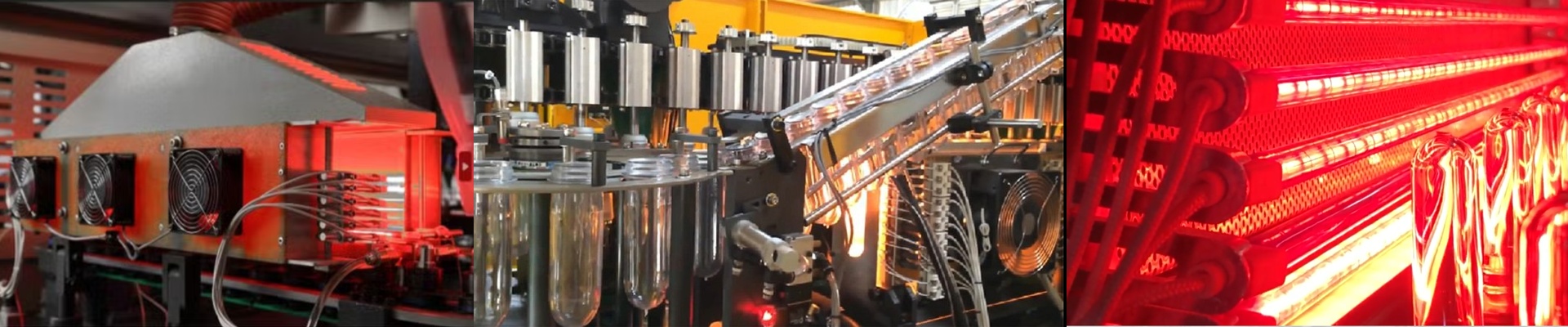
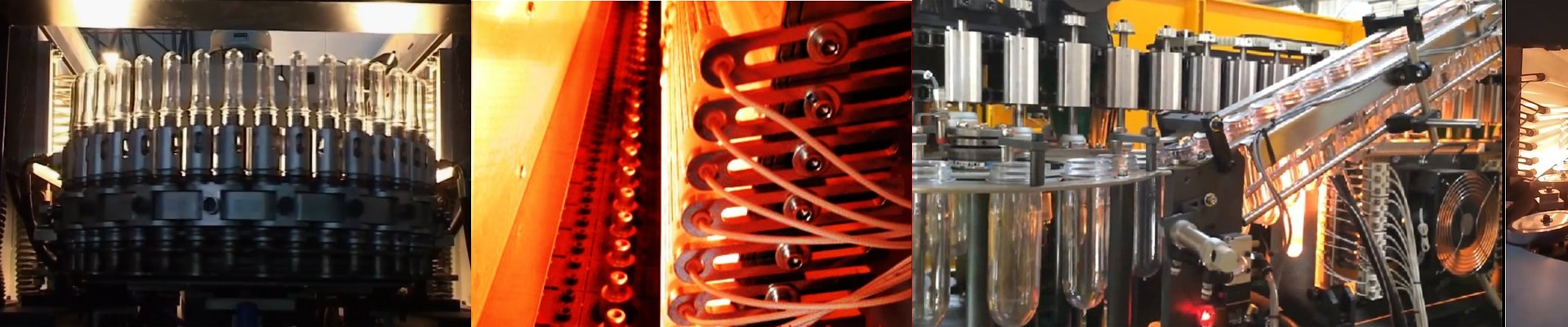
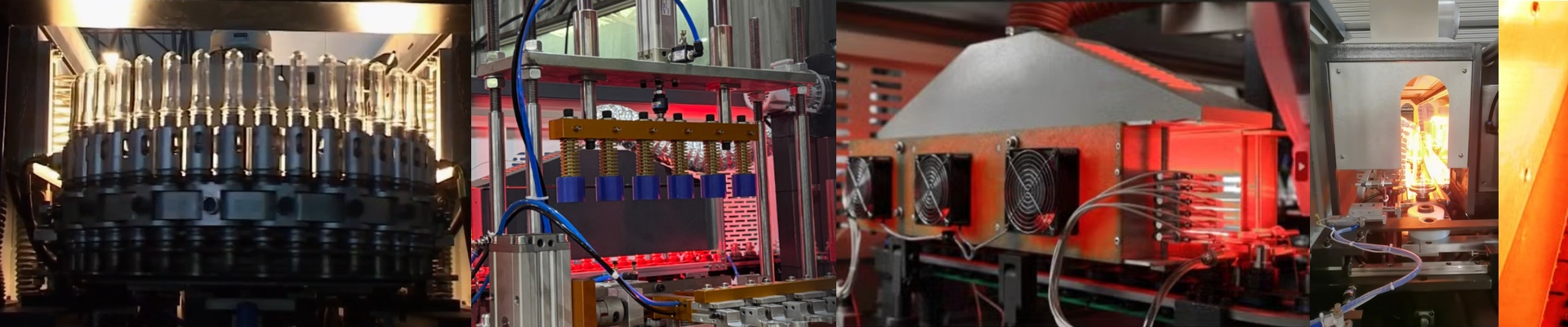
These are great as drop-in replacements for old systems that just aren’t precise enough anymore. They’re perfect for things like PET blowing or curing thin films—the kind of jobs where a 2-degree swing ruins the whole batch. Just keep in mind that clear quartz is fragile. It’s glass, after all. If your machine vibrates a lot or takes a few bumps, don’t just slide them in. Get some reinforced mounting brackets to make sure your tubes don’t snap.