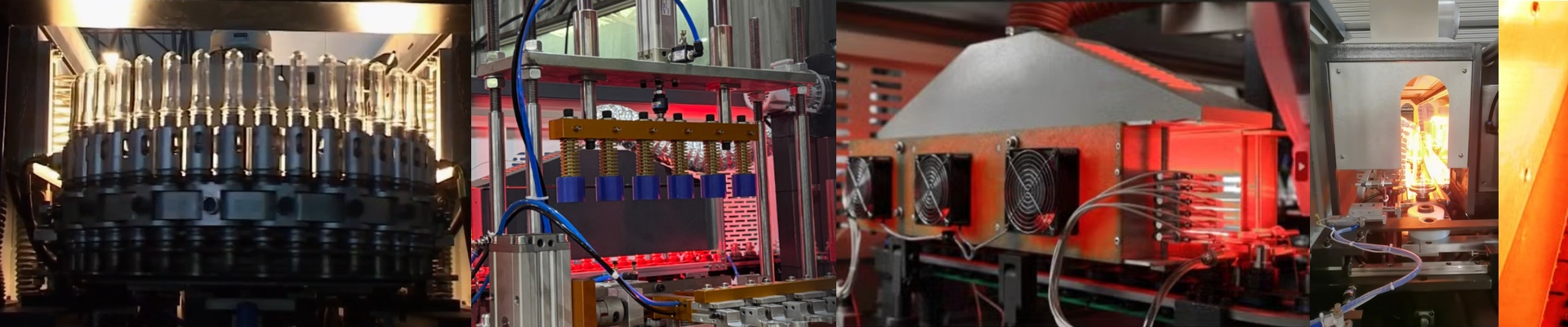
Getting Your Bake Just Right with Quartz Infrared Tubes
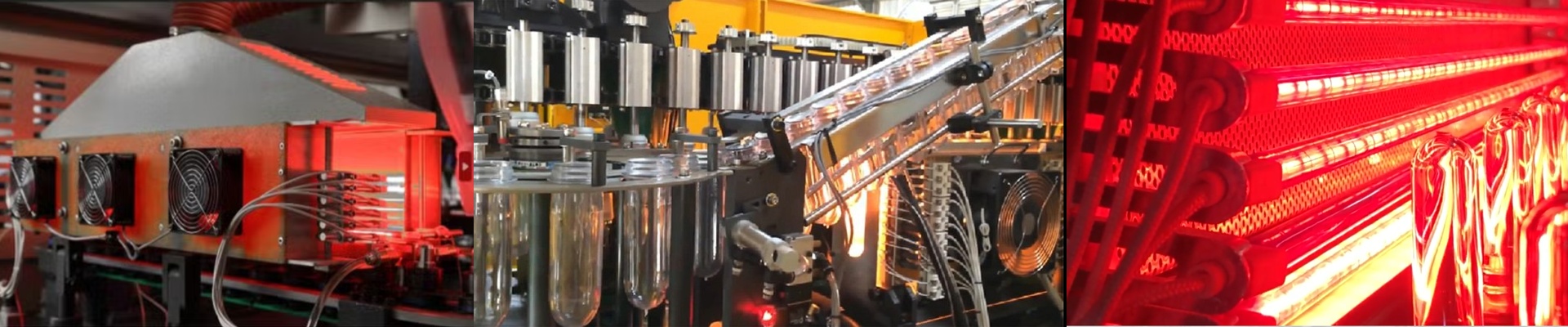
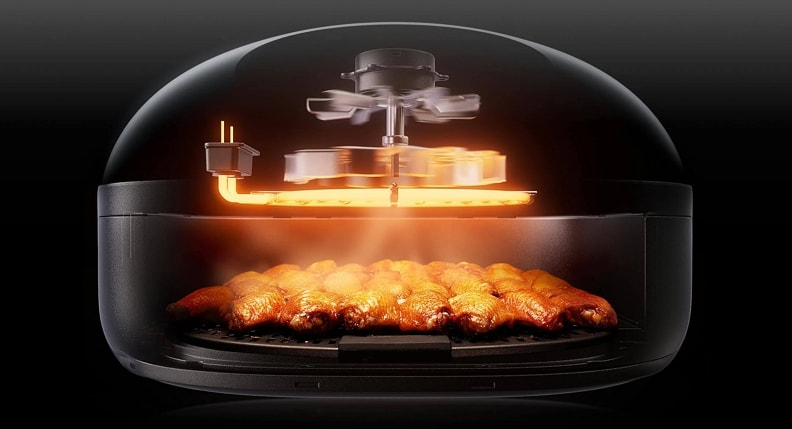
If you’re running an automated kitchen, you know the struggle. Consistency is everything, but getting a machine to react as fast as a human chef is tough. That’s where quartz heating tubes come in. Instead of just heating up the air and hoping for the best, these tubes shoot short-wave infrared radiation straight into the food. It’s direct. It’s fast. And it makes a world of difference.
Why These Tubes Play Well With Your Controllers
We build these to work hand-in-hand with PID controllers. Here is why that matters: quartz glass doesn’t hold onto heat like a brick. It heats up in a blink and cools down just as quickly. When your sensor notices the temperature is creeping too high, the controller cuts the power, and the heat stopsright then. You don’t have to deal with that annoying “heat soak” you get from heavy cast-iron or thick stainless steel elements, which usually end up over-baking your product after the power is already off.
Getting the Specs Right
You can basically tell us where you need the heat to go, and we’ll build a tube to fit that footprint. We can tweak the wattage and voltage to match your power grid and how “aggressive” you need the heat to be. Just a heads-up: if you push for really high wattage per centimeter, it puts more stress on the glass. To handle that, we use high-purity fused quartz. It keeps the tubes from warping or cracking when they’re constantly cycling between hot and cold.
The Trade-offs (Because Nothing is Perfect)
Look, precision comes with a few quirks. Quartz is glass, which means it’s fragile. If your assembly line shakes or vibrates a lot, don’t just bolt these in. Use dampened mounts. If you don’t, the vibration will eventually crack the tubes or shake them loose. And remember, because they don’t “store” heat, they aren’t like a traditional oven. If your power dips or a breaker trips, the temperature will drop instantly. There’s no residual heat to carry you through.
Keeping Things Running
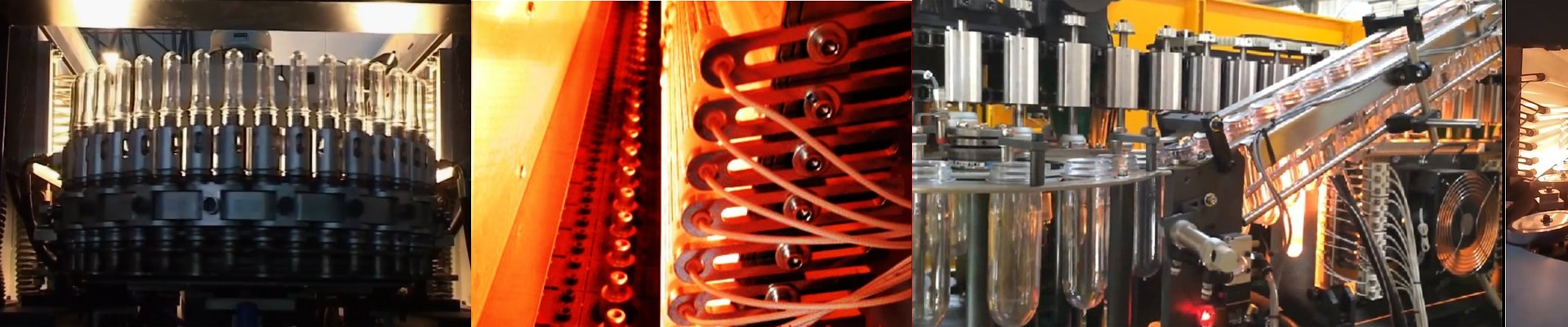
We design these as drop-in replacements, so swapping them out is easy. Most of our units use spring-loaded clips, which give the glass room to breathe and expand as it heats up. To keep your line from going down, do yourself a favor: check the contact points every 500 hours. Carbon tends to build up on the terminals, creating hotspots that can fry your lead wires. A quick check now saves a massive headache later.