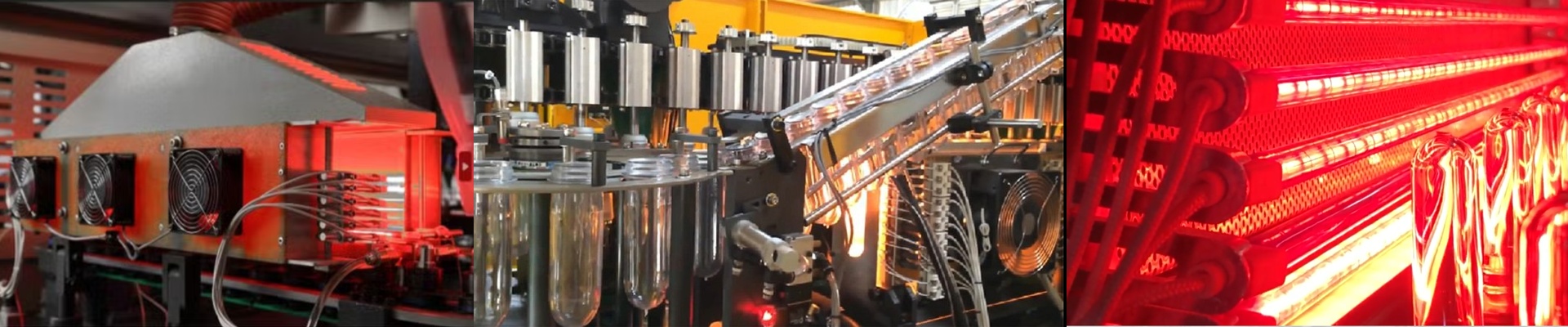
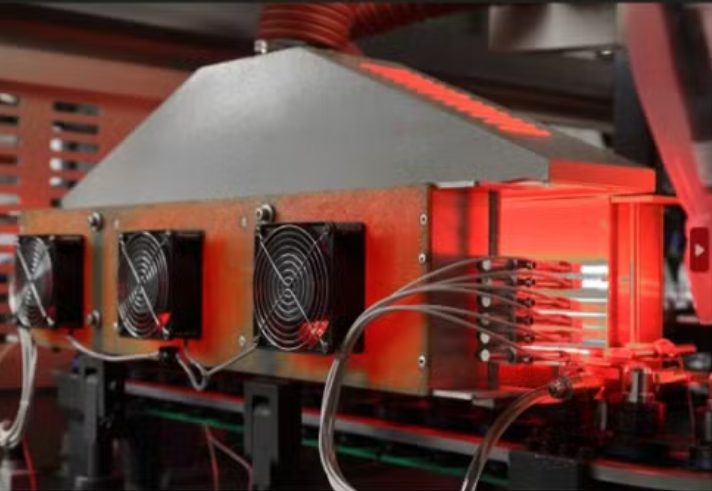
Getting the Heat Right in Husky HyPET and KOSME Blowers
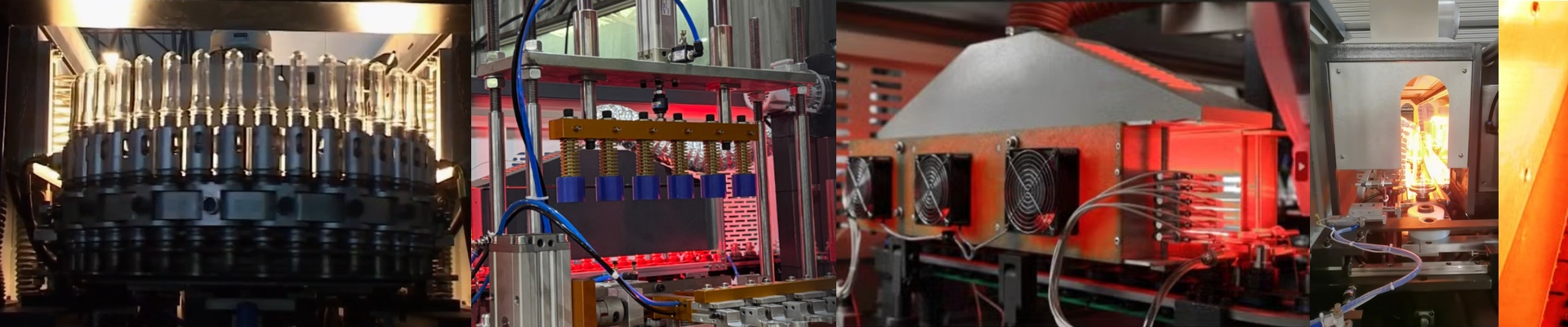
If you’ve spent any time with high-speed PET blowing, you know it’s basically a race against the clock. You have a tiny window to get that preform heated just right. The biggest headache? “Cold cores.” It’s a nightmare. You end up with an outer wall that’s practically scorching, but the center is still too cold. When you go to stretch, it just doesn’t happen cleanly. We built our replacement lamps for KOSME blowers specifically to kill that problem.
How we actually get the heat inside
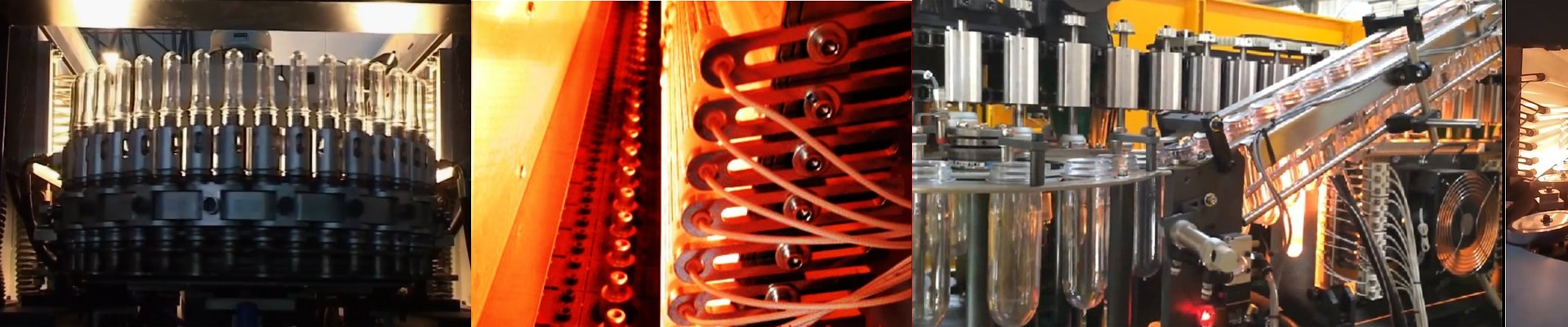
We didn’t just make the lamps “brighter.” We messed with the spectral output of the quartz tube. By tuning the infrared wavelength, the heat actually sinks deeper into the PET instead of just hitting the surface and bouncing off. It means you get a smooth, steady temperature from the outside all the way to the middle. No burnt surfaces. No cold spots. To make this work, we had to push the wattage density. We use a specific halogen cycle to keep the filament from giving up under all that stress. It lets the lamp run hotter and last longer without the tube turning dark and useless.
No fuss with the install
These are drop-in replacements. Period. We matched the OEM footprint exactly because if the lamp doesn’t seat perfectly in the reflectors, your focal point is off. And if your focal point is off, you’re wasting energy. We also stuck with standardized connectors. You can just wire them in. No hacking the harness, no “creative” electrical work. Just plug and play. Plus, we used high-purity quartz glass. It doesn’t soak up the energy itself, so more of that heat actually hits the preform.
A quick heads-up
Here’s the thing: when you push more heat into the preform, your oven internals have to deal with it. These high-penetration lamps put a lot more pressure on your cooling blowers. If your vents are dusty or your cooling system is a bit weak, you might overheat the oven housing. Keep a close eye on your ambient temps after you swap these in. You don’t want to be tripping thermal sensors in the middle of a run.