

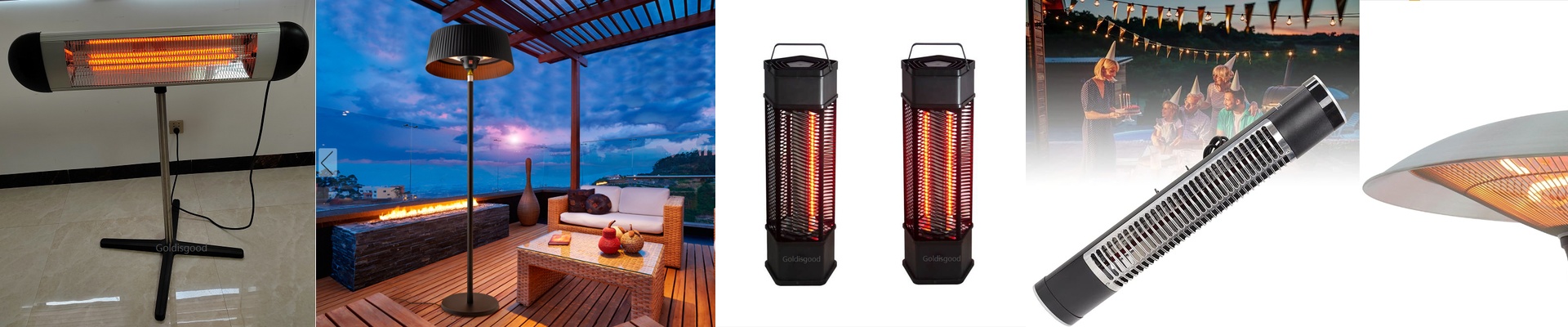



Why we’re switching to IPX4 Infrared for bathrooms
Ever notice how those old-school “lamp heaters” always seem to give out right when you need them? It’s because they aren’t really built for the chaos of a bathroom. Between the thick steam from a hot shower and the occasional splash, those basic heating elements just can’t keep up. That’s why we’ve been moving toward IPX4-rated infrared systems. Let’s talk about that IPX4 thing. Basically, it means the unit can take a splash from any direction without freaking out. But it’s more than just avoiding a short circuit. Steam is sneaky. It creeps into the electrical terminals and starts eating away at the metal. To stop that, we use sealed gaskets and hydrophobic coatings—basically a raincoat for the internals. Without that protection, the humidity just rots the contacts from the inside out until the whole thing burns out. The difference in how it actually feels Traditional heaters try to warm up the air. The problem? Air is terrible at holding onto heat. You’re standing there shivering while the heater struggles to warm the entire room. Infrared is different. It doesn’t mess with the air; it sends out radiation that hits your skin and the walls directly. You feel the warmth the second you flip the switch. It’s instant. Plus, since you aren’t trying to heat every cubic inch of empty space, you aren’t wasting as much power. A few things to watch out for Now, these infrared tubes put out a lot of concentrated heat. It’s great for a quick warm-up, but it can be tough on whatever it’s attached to. Please, don’t mount these on cheap plastic. It’ll warp. Stick with aluminum or reinforced steel brackets so everything stays put. And a quick safety reminder: IPX4 is great for splashes, but it’s not a submarine. Don’t dunk it. You still need a properly grounded GFCI circuit to keep things safe in a wet room. Getting it installed The best part for the guys doing the install? These things are tiny compared to those bulky convection panels. They slide right into existing ceiling grids without much fuss. For most contractors, it’s a simple swap that checks all the safety boxes and keeps the inspectors happy.