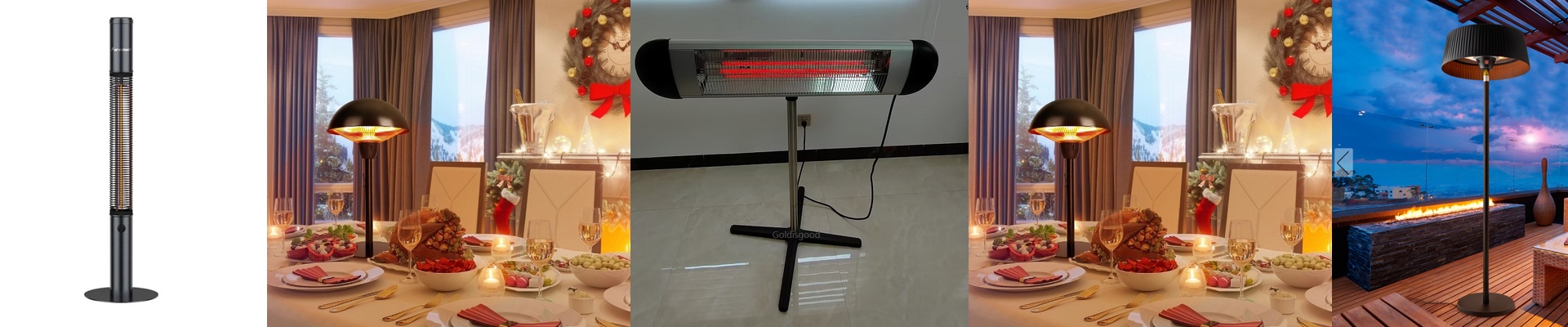
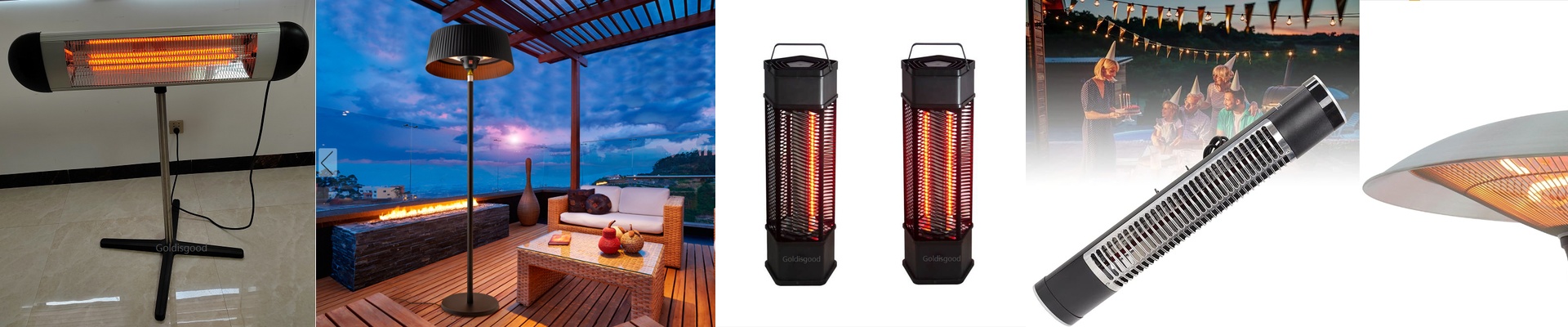
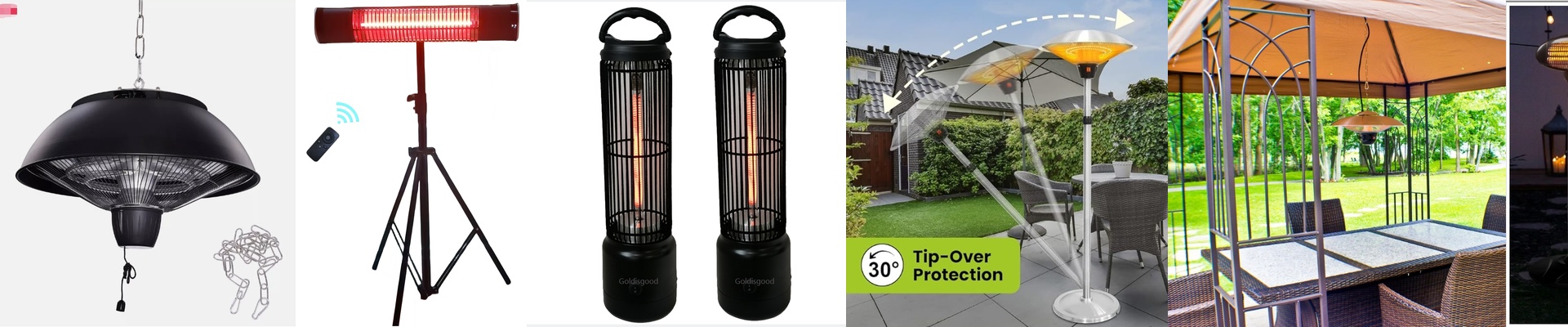
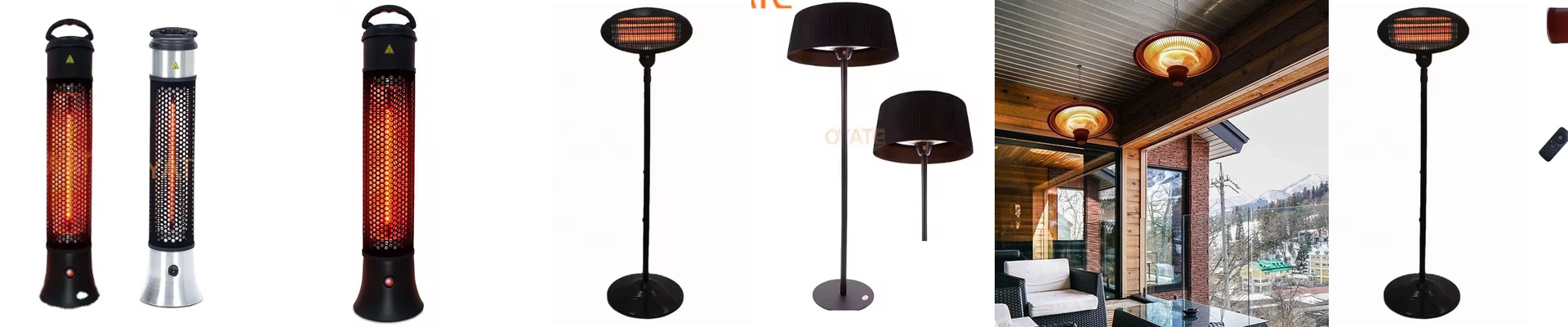
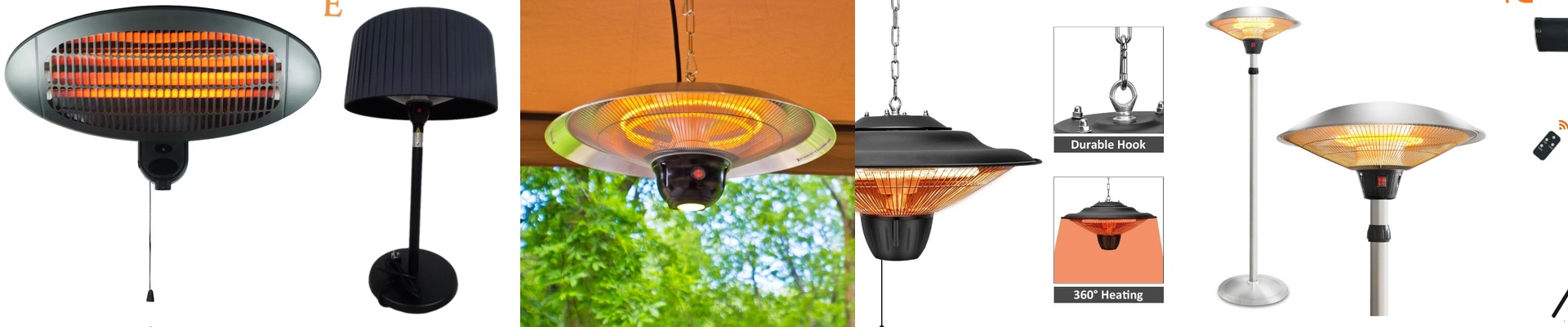
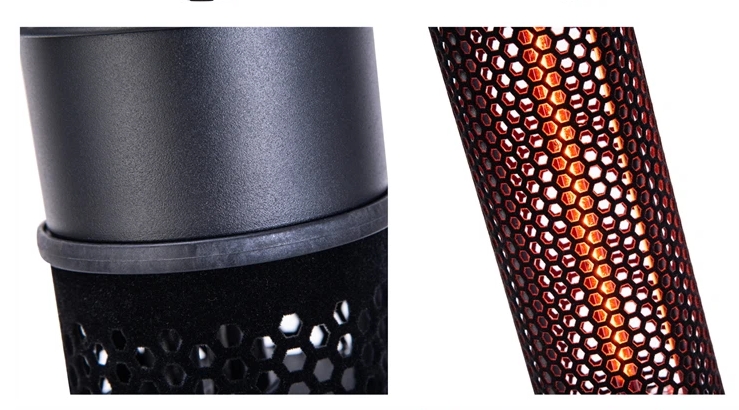
Let’s be honest: outdoor bars and patios are absolute death traps for heating elements. Between the humidity, the constant condensation, and that salty sea breeze if you’re near the coast, most heaters just rust out or short-circuit. It’s a nightmare. That’s why we build our infrared heaters a bit differently. We obsess over two things: the seals and the surface. The battle against the fog Condensation is usually what kills these lamps. Think about it—you’ve got a freezing cold quartz tube that suddenly hits high temperatures in a damp environment. You get fogging. But it’s not just about the glass looking cloudy. Those tiny water droplets create “hot spots” on the glass. When the glass expands from the heat, those spots cause it to crack. Simple as that. We use specific coatings and sealed housings to keep that moisture away from the element. It keeps the heat steady and stops the tube from popping way before it should. Dealing with the splashes You’ll see a lot of heaters labeled “waterproof,” but that doesn’t tell you much. For a patio, you need something that can actually handle a wind-blown rainstorm or a spilled drink. We spend most of our time on the junction points—the spots where the wiring actually enters the chassis. We use reinforced seals and silicone gaskets to lock the electrical terminals away from the elements. If water gets in there, you get arcing, and your controller is fried. Our goal is to make sure any splash just slides right off the outside without ever touching the guts of the machine. The honest trade-off Here is the catch. When you add all these protective housings and seals, you block a tiny bit of the infrared path. You lose a small amount of that direct “heat throw” compared to a heater that’s just an open wire in the air. But honestly? It’s a trade we’ll make every single time. An open element might feel 5% warmer on day one, but it’ll probably be dead by next season. A sealed unit actually lasts for years. Just make sure your mounting bracket has a bit of breathing room so the housing doesn’t get too hot.