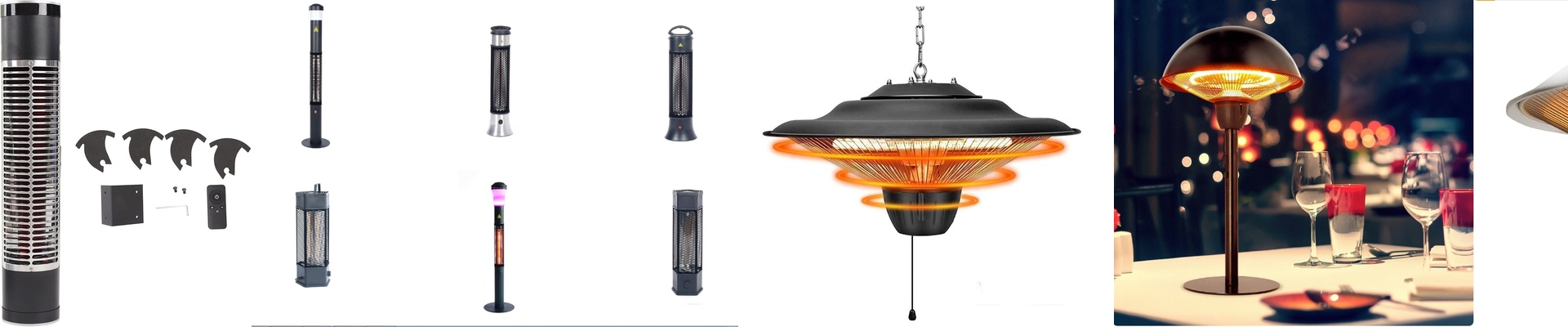


Keeping Things Safe: Why You Need Explosion-Proof Quartz Tubes in Wet Areas
Let’s be honest: putting high-voltage heaters in a bathroom or a steamy patio is a bit of a gamble. You’ve got water vapor floating everywhere and a heating element that gets scorching hot. If you use a standard quartz tube, you’re asking for trouble. Imagine a single drop of water hitting a surface that’s 600°C.**Pop.**The glass shatters instantly. That’s what we call thermal shock, and it’s a nightmare you don’t want to deal with. That’s why we use explosion-proof tech.
How the “Explosion-Proof” Part Actually Works
We don’t just call them “explosion-proof” to sound fancy. It’s all about how we build the envelope and seal the edges. We use a reinforced quartz shell and a special coating that acts as a shield. This keeps the moisture from ever touching the energized part of the heater. And if the inner filament happens to give out? The reinforced structure holds it together so the tube doesn’t just burst outward. It stays contained. It stays safe.
The Science (The Simple Version)
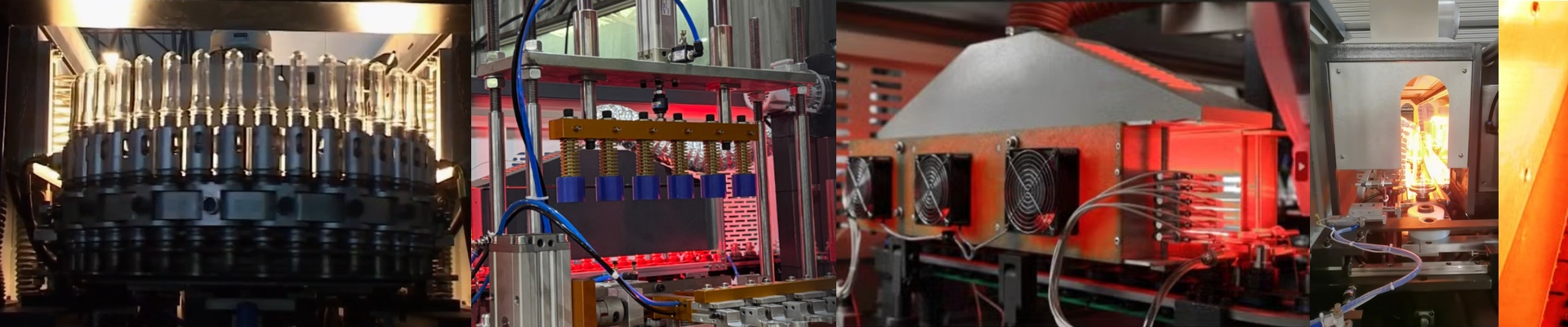
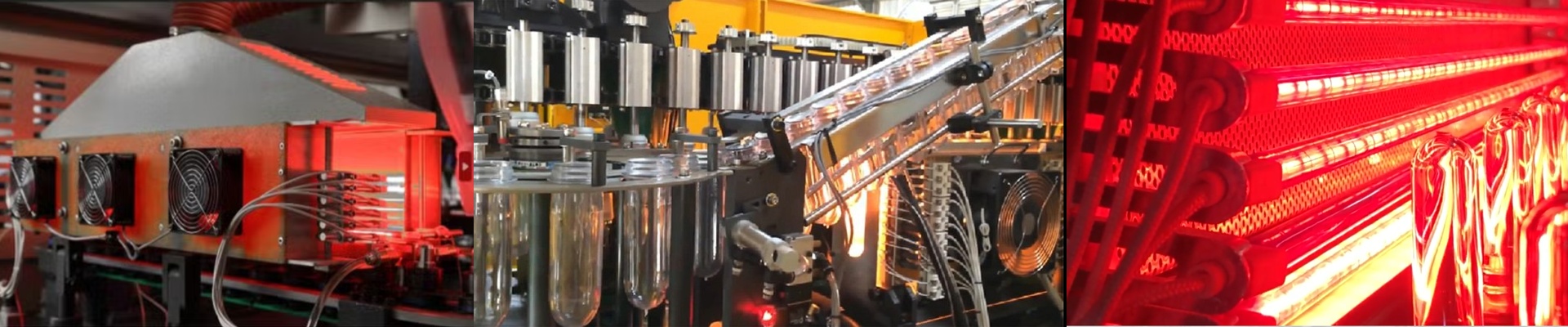
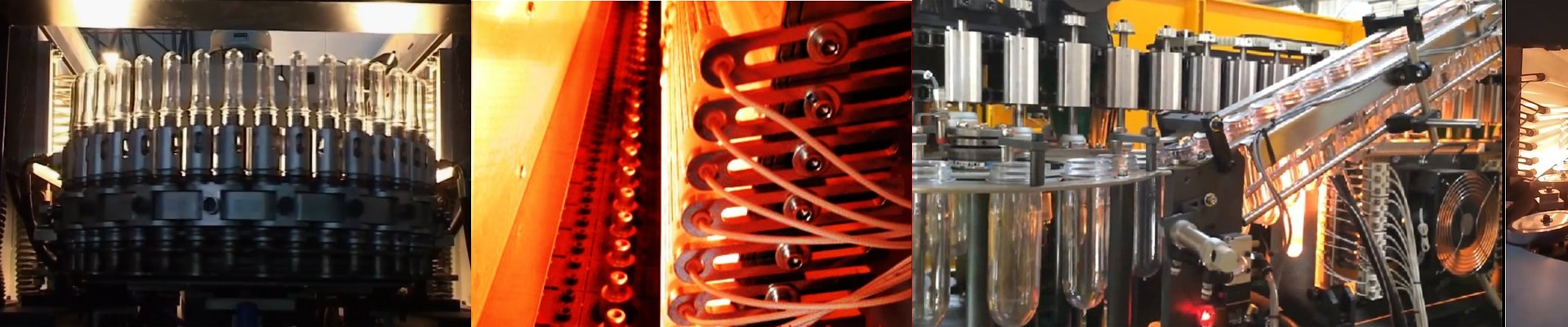
These lamps use short-wave infrared radiation. Instead of trying to warm up all the air in the room—which takes forever—these tubes send out waves that hit you directly. It’s like standing in the sun on a cold day. We use high-purity quartz because it’s basically invisible to IR energy. The heat just glides right through the glass without getting trapped. One quick tip: keep an eye on your wattage density. If you cram a high-wattage tube into a tiny space, it gets incredibly hot. If your brackets aren’t built for that kind of heat, they’ll warp. And nobody likes a sagging heater.
Real-World Installation
Here’s the thing: the tube might be explosion-proof, but your wiring isn’t. When you’re installing these in a damp spot, you absolutely need a sealed junction box. The connection points are usually the first thing to go. Use moisture-rated cabling so you don’t end up with an electrical arc. Most of these are drop-in replacements for your old IR fixtures, which makes the swap easy. Just double-check that the voltage matches your grid. If you don’t, you’ll probably fry the filament within the first ten hours.