
Stop Fighting Your Oven
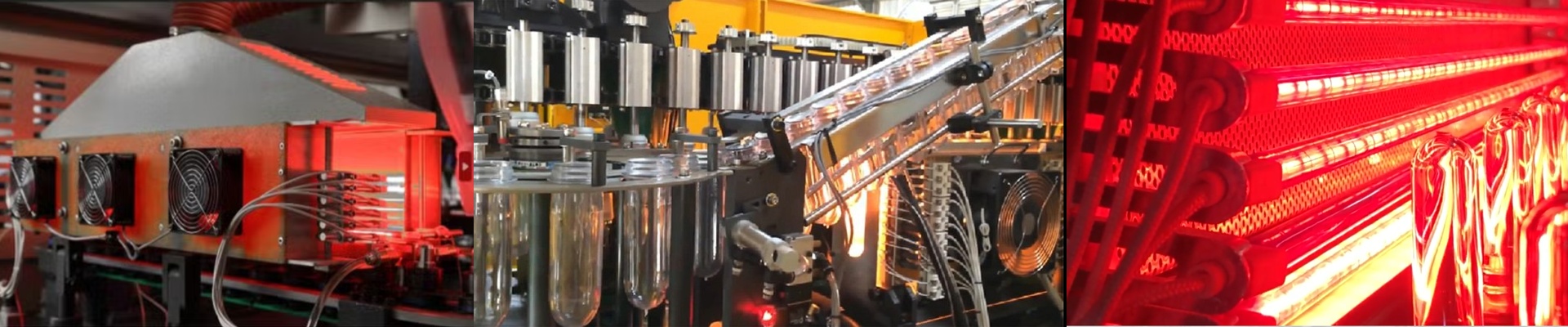
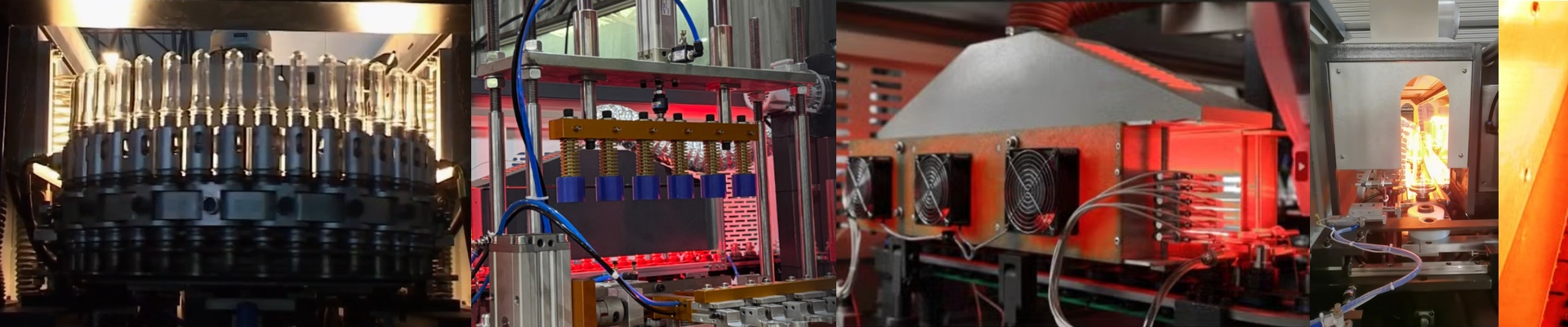
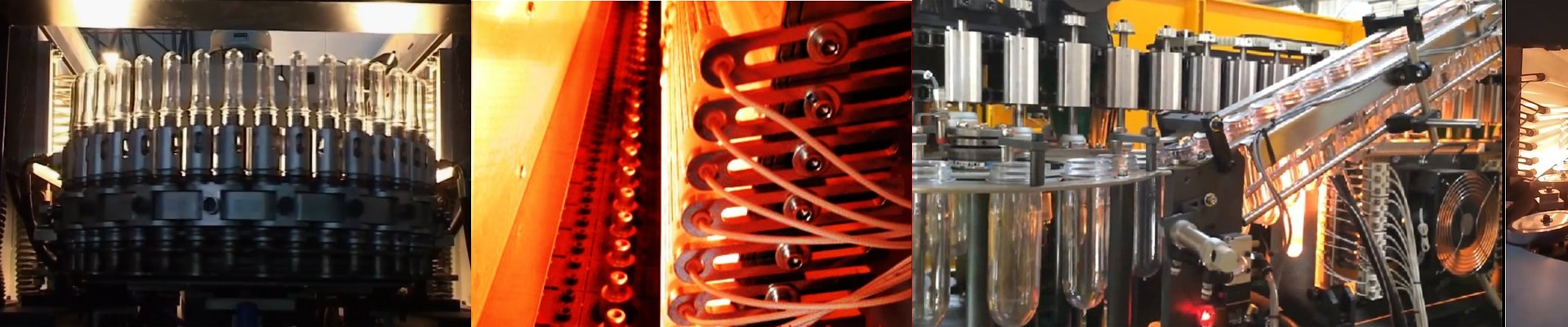
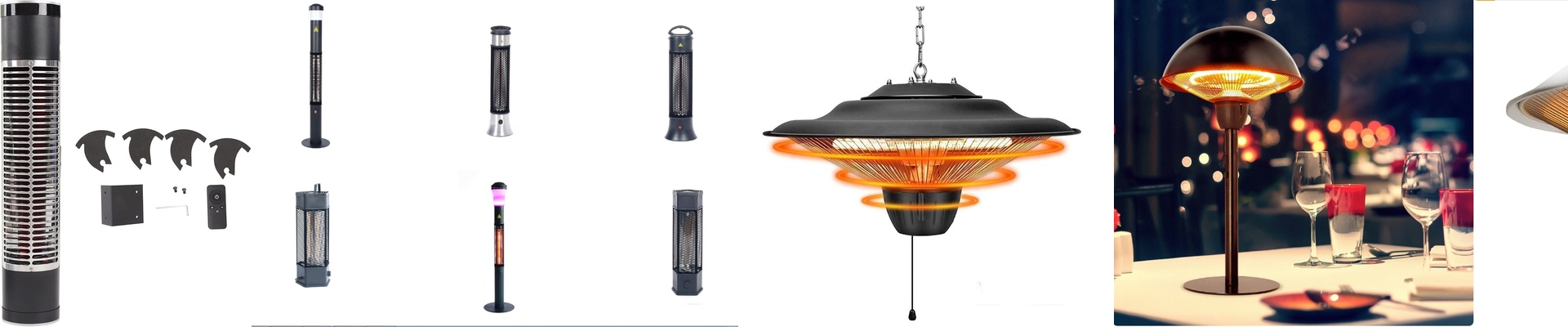
If you’ve ever tried a truly difficult bake, you know the frustration. You set the temperature, but the oven doesn’t actually listen to you. There’s a lag. By the time the heat kicks in, you’ve overshot your mark, and suddenly your delicate crust is burnt or your sugars have turned bitter. That’s because most heating elements are just too bulky. They hold onto heat for too long, making it impossible to make quick adjustments. We decided to fix that. We switched to radiant heaters that react in seconds.
Why speed actually matters
Most ovens just move hot air around. It’s slow. It’s clumsy. Our setup changes the whole game. These heaters hit the target temperature almost instantly. And the best part? When the controller cuts the power, the heat stops. Just like that. This means you can jump from 150°C to 200°C without that annoying “drift” that ruins a batch. You get exactly the heat you asked for, exactly when you asked for it.
The “Staircase” Method
You can’t nail a complex bake with a simple on/off switch. You need something that can cycle fast. We built these heaters to handle constant switching without burning out the filaments. It lets you create a “staircase” of temperature. You can hold a steady temp for 30 seconds, jump up 20 degrees, and hold it again. When you’re scaling up for industrial production, this is the only way to make sure every single piece comes out with the same texture and meets safety standards.
A few things to watch out for
Now, this kind of speed comes with a catch. Because we’re packing a lot of energy into a small space, the heat is intense. If your oven’s airflow is weak, you’re going to get hot spots. You might end up scorching the surface of your food before the middle is even cooked. **Check your ventilation.**Make sure the air is moving. Also, do yourself a favor and use high-frequency SSRs (Solid State Relays). Mechanical contactors will just wear out and break under this kind of rapid switching. Stick with the relays, and you’re gold.