
Getting the Heat Right in Your Pizza Oven
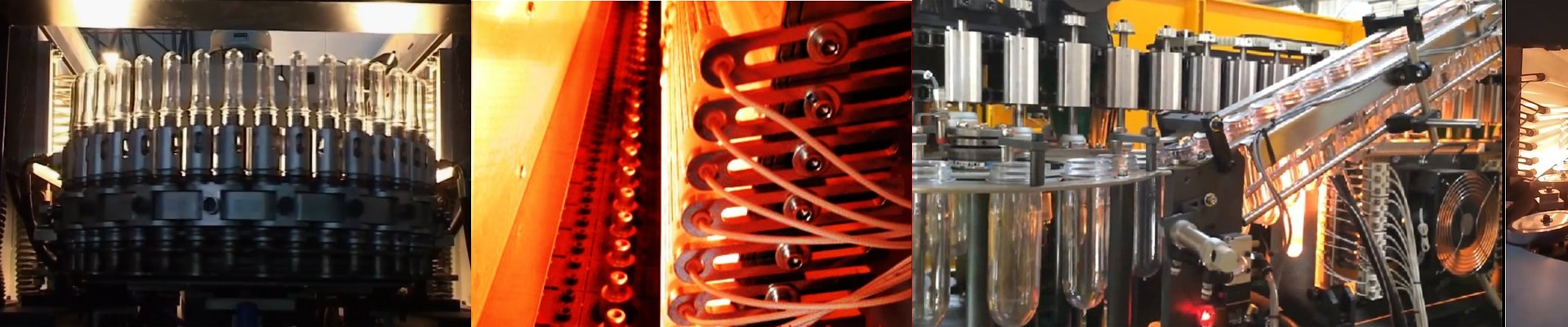
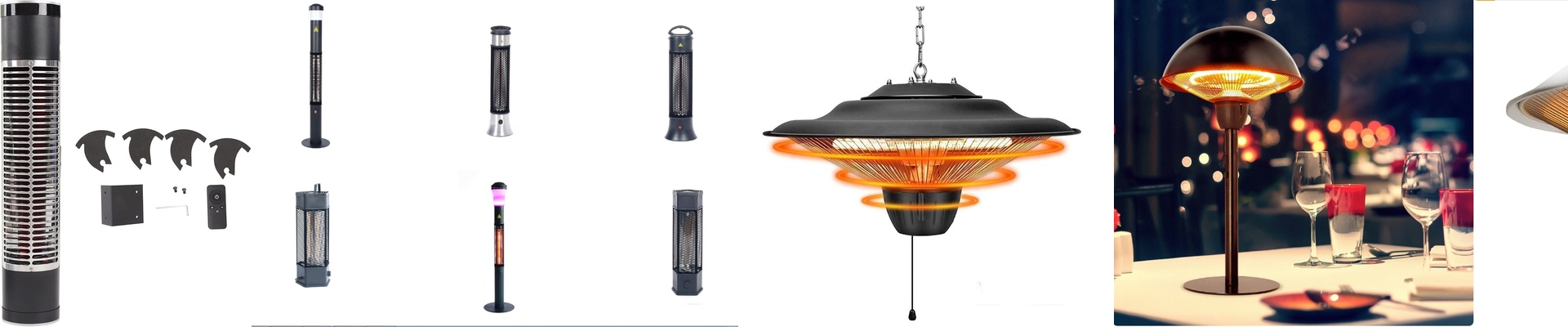
If you’ve ever pulled a pizza out of a commercial oven only to find the crust is burnt to a crisp but the middle is still raw, you know the struggle. In an automated kitchen, that’s a nightmare. You need that top heat to be spot on, every single time. To fix this, we use ceramic auxiliary heaters. Think of them as targeted infrared beams that fill in the gaps between the oven floor and the top of your pizza.
How the heating actually works
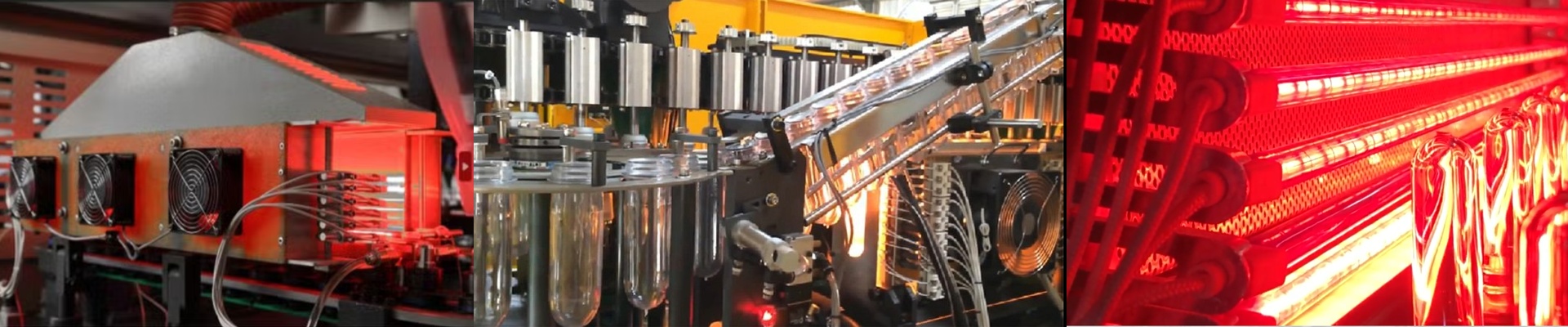
Standard convection is slow—it has to heat up the whole air cavity before the food even feels it. These ceramic elements are different. They shoot short-wave infrared radiation straight onto the surface of the pizza. It’s direct. It’s fast. We pair these heaters with PID controllers and thermocouples. Instead of a clunky on/off switch that just blasts heat until something burns, the system watches the surface temperature in real-time. It nudges the power up or down just enough to keep things steady. No more “burnt-top, raw-bottom” disasters.
Making it all talk to each other
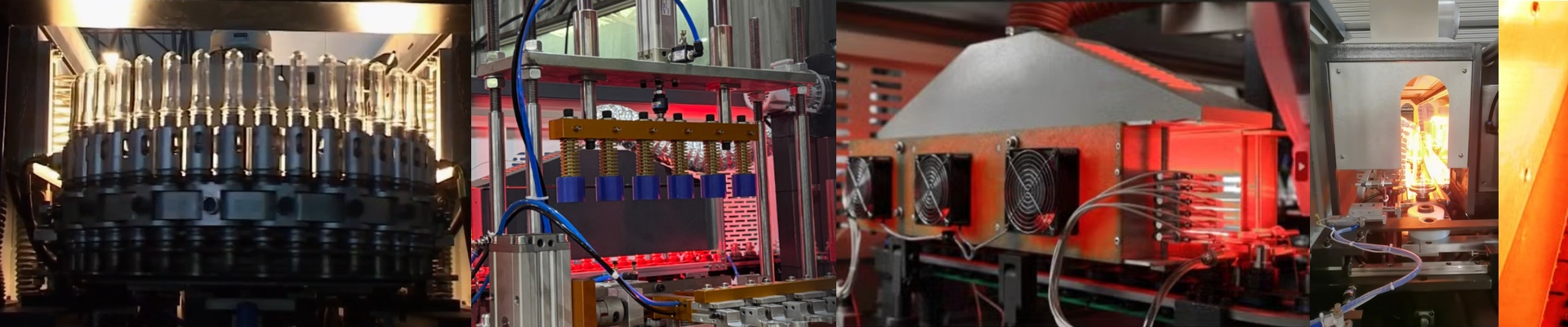
Getting the heaters to play nice with your control system comes down to the hardware. We usually go with Solid State Relays (SSRs). They can handle the rapid-fire cycling needed to keep the temperature locked in. One quick tip: if you’re running a lot of these heaters, watch your wiring. Use the right gauge. If the wires are too thin, you’ll get voltage drops, and suddenly your thermal readings aren’t telling you the truth anymore.
The tricky parts
These heaters are powerful. They react almost instantly, which is great, but it comes with a catch. If you’re too aggressive with the power or mount the elements too close to the pie, you’re asking for trouble. You might crack the ceramic or torch the cheese before the dough even has a chance to rise. It’s all about the distance. You have to find that sweet spot where the heat flux is strong enough to cook, but not so intense that it destroys the toppings. Plus, make sure there’s plenty of airflow around the housing. If the electronics get too hot, the whole thing will start acting up.