Let’s Talk About Pizza Oven Quartz Tubes
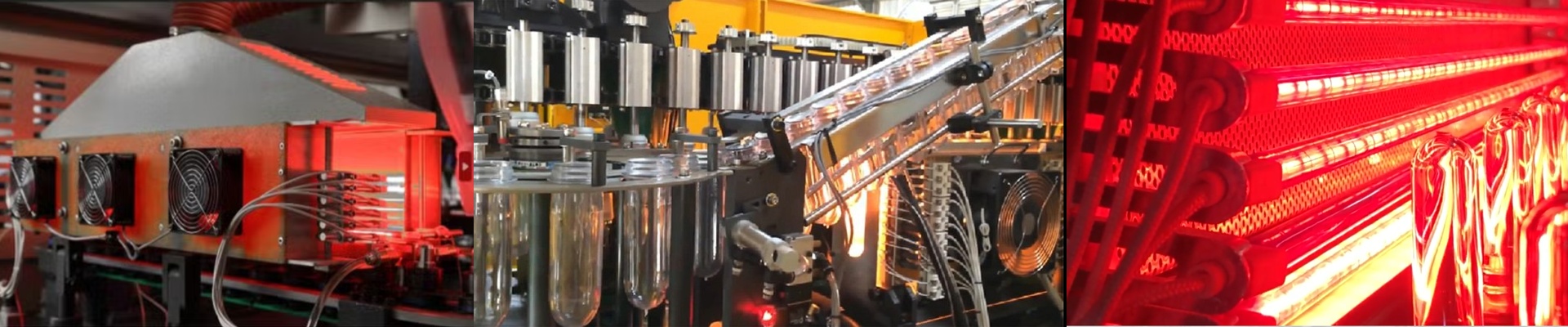
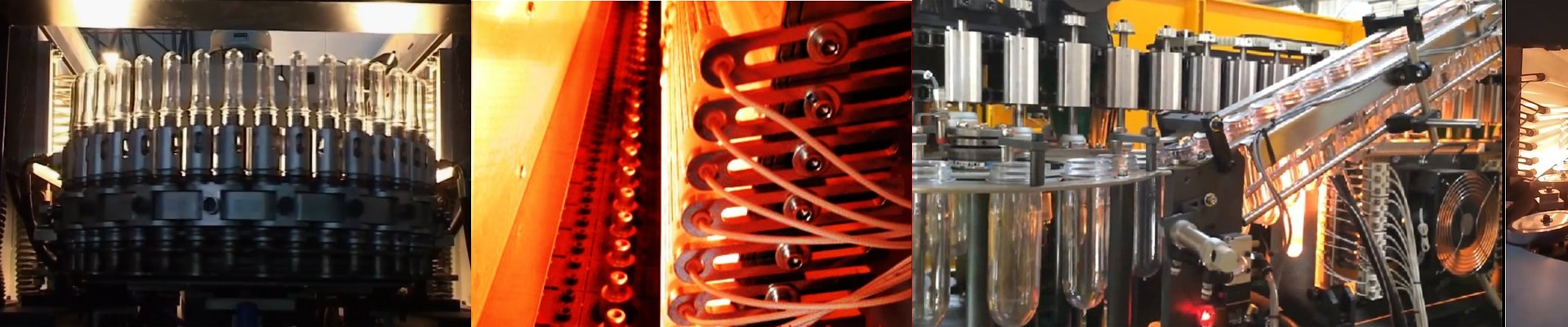
If you’re running a professional pizza line for 10 hours a day, you know the deal. Your equipment takes a beating. It’s hot, it’s fast, and it’s relentless. At the heart of all that heat is the quartz infrared tube. Its only job is to turn electricity into that intense, short-wave radiation that sears a crust perfectly in seconds. But doing that all day? That’s where things get tricky. The struggle with high-heat cycles Running a tube for 10 hours straight is a lot of stress on the glass. If you use cheap materials, the tube warps. Simple as that. We use high-purity fused quartz because it actually holds its shape. But here’s the thing: you can’t just cram as much wattage as possible into a short tube. If you do, you’ll burn it out before the weekend. We spend a lot of time getting the filament grain and winding tension just right. Why? Because nobody wants “cold spots” on their pizza. We make sure the heat hits the dough evenly, from edge to edge. Fitting them in You don’t want to spend your afternoon rewiring an oven. You just want it to work. These are drop-in replacements. We use standard terminals, so they slide right into your existing sockets. Plus, the glass we pick doesn’t expand much when it heats up. That means when you’re flipping the power on and off during a chaotic dinner rush, the tube won’t just crack under the pressure. The honest truth about lifespan You’ll see big-brand imports with fancy logos, but physics is physics. A domestic tube can put out the exact same heat as an expensive import. But I want to be real with you: the tube isn’t the only factor. Your kitchen’s power is a huge part of the equation. If your electrical grid is spiking or unstable, any tube—no matter who made it—is going to fail. The filament thins out, it snaps, and you’re out of business for the night. We build these to handle the heat. Just make sure your electrical install is solid, and they’ll keep you cooking for a long time.