Getting Your Bakery Trays Dry Without Burning Them
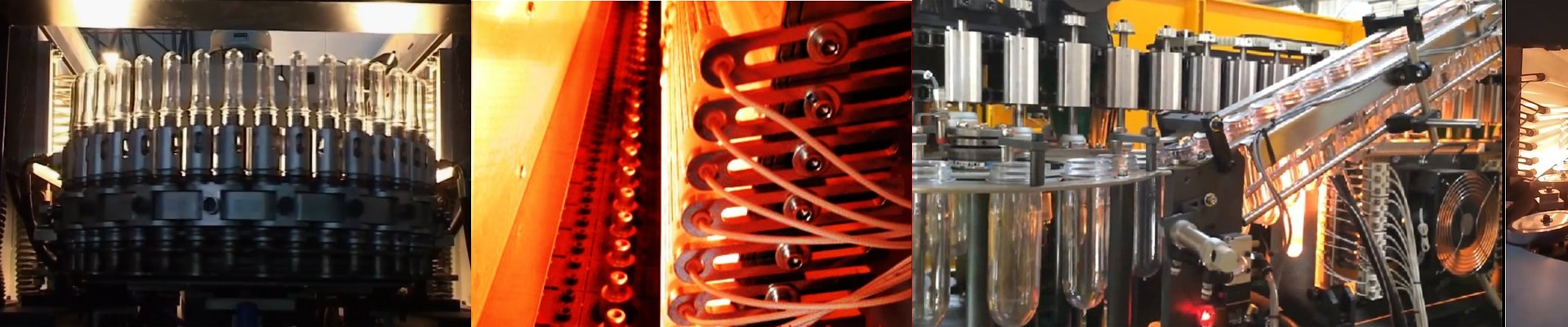
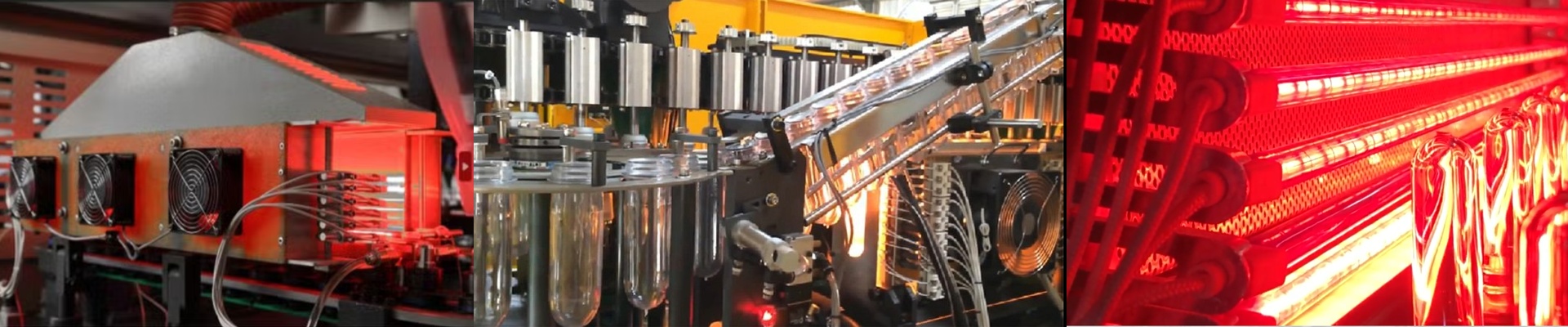
Nobody likes it when a batch of tableware comes out scorched or warped. It’s a waste of time and money. The trick to getting them dry fast—without ruining the material—is all about how you apply the heat. We use shortwave infrared (IR) lamps for this. Instead of wasting time heating up the air inside the entire oven, these lamps shoot energy straight into the trays. It’s way faster. You get your gear back in circulation in a fraction of the time.
Why Temperature Control Actually Matters
If you’ve ever dealt with “burnt” batches, you know the frustration. Usually, it’s because the equipment is too blunt. In a dryer, a tiny shift—maybe just 10°C—is the difference between a perfect finish and a warped piece of metal. Cheap heaters tend to “overshoot,” meaning they get too hot before they realize they should stop. We avoid that by using high-precision controllers that tweak the power in real-time. It keeps the temperature right where it needs to be. No surprises.
The Nitty-Gritty on Parts
When we’re swapping out parts, we go with quartz tubes. Standard glass just can’t handle the shock of heating up and cooling down quickly; it’ll crack. Quartz takes the hit without breaking a sweat. Depending on how big your dryer is, we pick specific wattages so the heat hits every corner of the tray evenly. You don’t want hot spots in the middle and damp edges. One big warning:**check your voltage.**If the lamp doesn’t match your power supply, you’ll fry the filament. It’ll kill the lamp’s lifespan fast. To make things easier, we use standard connectors, so these just slide right in.
The One Thing People Forget: Airflow
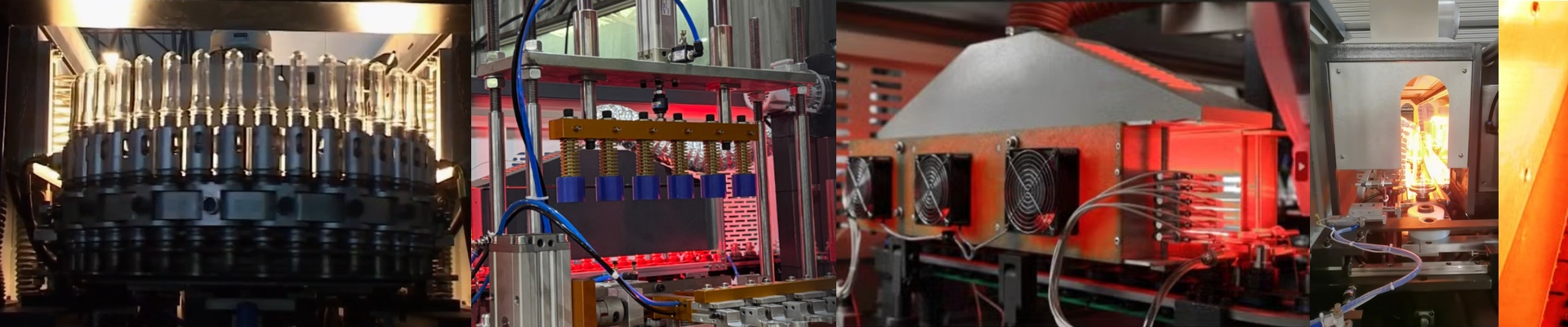
Here’s the thing about high-density IR lamps: they put out a massive amount of heat in a very small space. That speed is great, but it puts a lot of pressure on your ventilation. If your exhaust fans aren’t strong enough to pull that hot air out, you’ll get “heat soak.” That’s when the air just sits there, causing uneven drying and, eventually, melting your internal wiring. If you’re cranking up the wattage of your lamps, make sure your airflow can keep up. It’s the only way to keep the system running smooth.