Getting More Heat Out of Your Old Bakery Oven
Let’s be honest: old bakery ovens can be a pain. You open the door, the heat vanishes, and you’re stuck waiting forever for the temperature to climb back up. Or worse, you get those annoying cold spots where some loaves are perfect and others are barely baked. If your current heating elements just can’t keep up with your orders, you don’t necessarily need a brand-new oven. You just need better heat. Swapping out your old tubes for custom twin quartz infrared (IR) heaters is usually the fastest way to fix the problem.
How the Twin Quartz Setup Actually Works
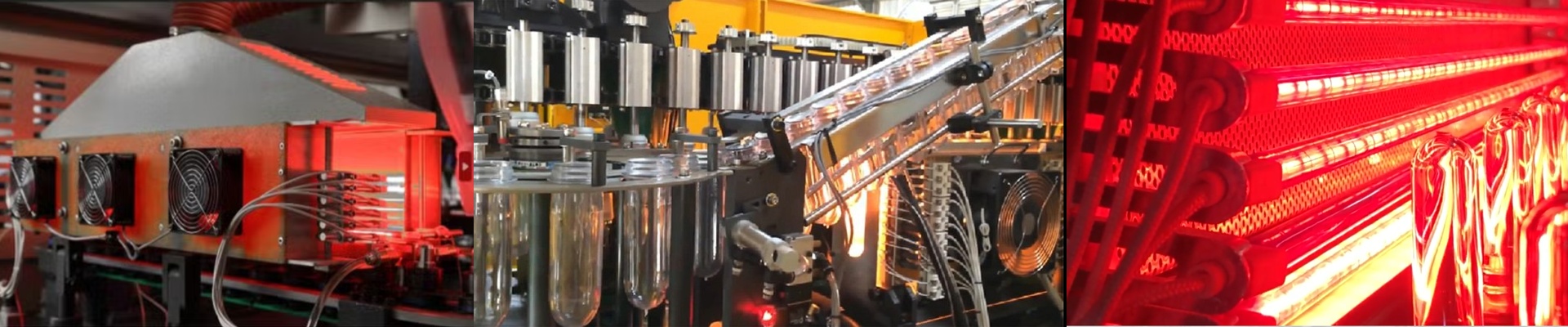
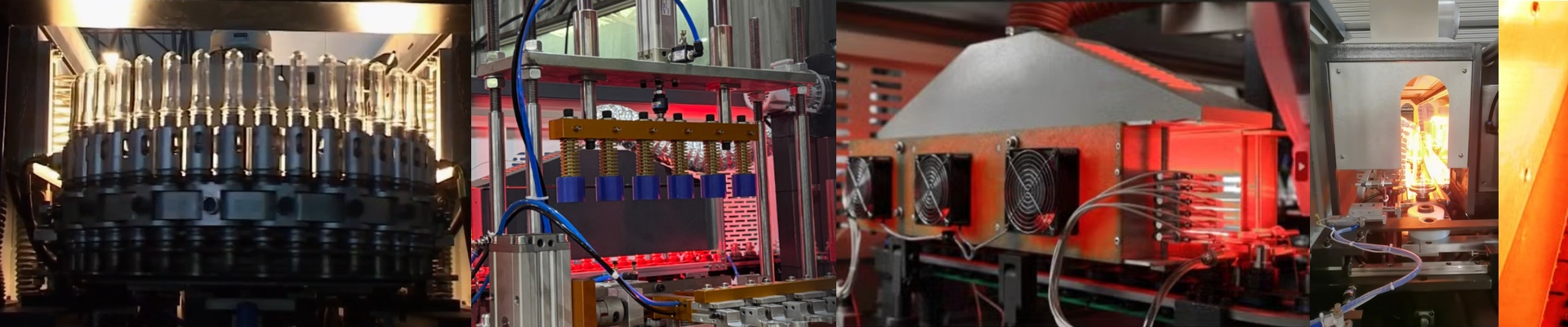
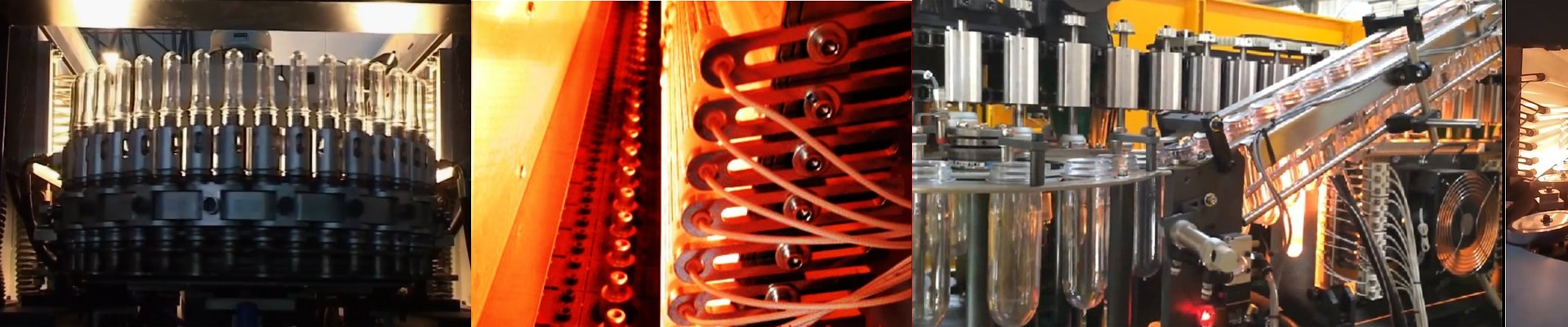
Here is the trick: we put two tungsten filaments inside one single quartz tube. It sounds simple, but it basically doubles the heat density in the exact same amount of space. You get way more power pushing into the oven without having to rip apart the machine’s frame or rebuild the chassis. The best part? Shortwave radiation doesn’t mess around with the air. It goes straight to the surface of your bread. That means you spend way less time staring at a thermometer waiting for the cavity to warm up. It’s fast. Really fast.
No Need to Rewire Everything
We don’t do “one size fits all” here. We build these lamps to your specific voltage and length. If you have a weirdly sized rack or a power supply with strict limits, just send us your drawings and we’ll make them fit. We use standard industrial connectors, so these are pretty much “plug and play.” You won’t have to spend your weekend rewiring the entire control panel. Just pull out the burnt-out tubes, pop these in, and you’re back in business.
A Couple of Things to Keep in Mind
Now, these heaters pack a punch, but they aren’t magic. They put a lot more stress on your reflectors. If your reflectors are covered in grease or carbon buildup, they’ll soak up the heat instead of bouncing it toward your product. That kills your efficiency. Keep those surfaces clean, and the heaters will do their job. And one more thing: because these lamps hit their target temperature almost instantly, you might find your PID controllers overshooting the mark. You’ll probably need to tweak your settings a bit to get the temperature dialed in just right.