Stop Chasing Tube Burnouts on Your SIG Blomax Lines
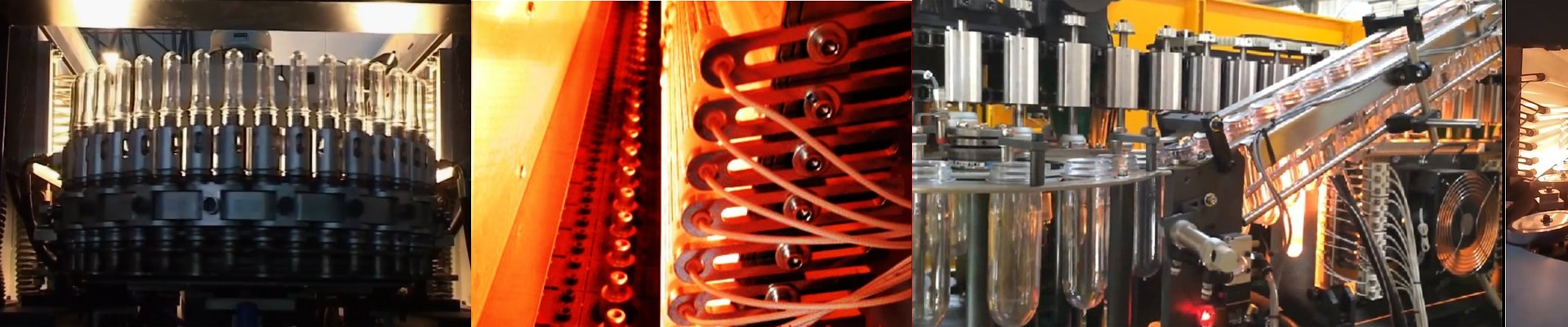
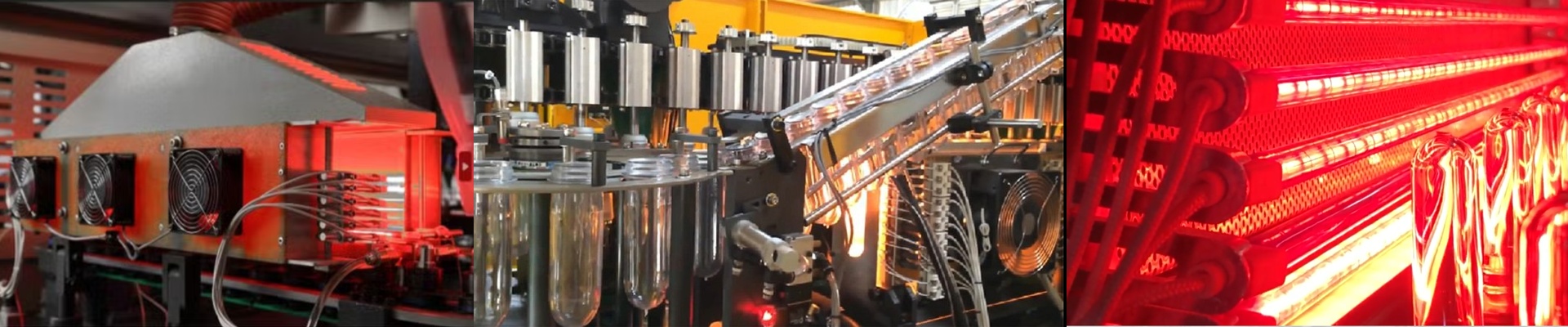
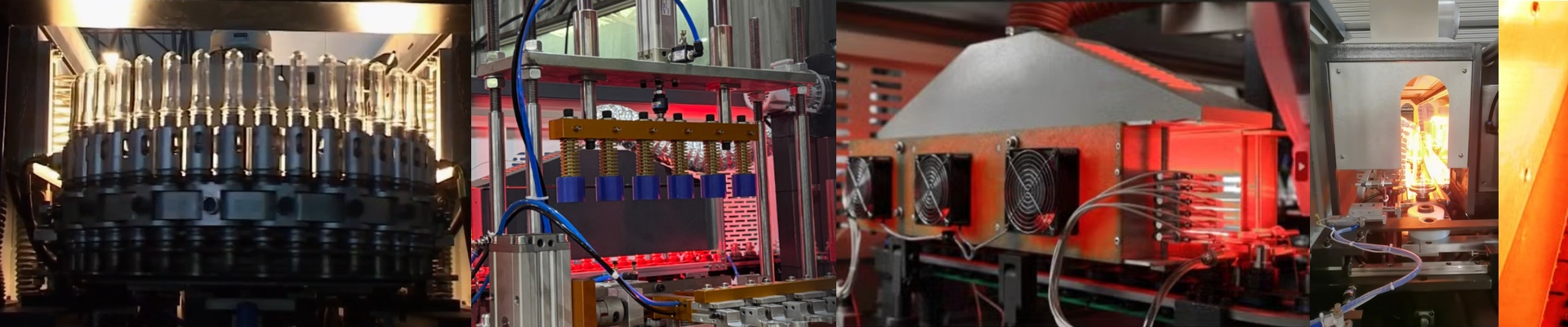
If you find yourself replacing lamps every few weeks, you’re not alone. It’s frustrating. You’re probably using standard-spec tubes that just aren’t built for the reality of your production floor. Between the constant vibrations and the wild temperature swings, those thin glass walls simply can’t keep up. Here is how we fixed it. We decided to beef up the quartz envelopes. Most IR tubes are built thin to let more light through, but that makes them fragile. One wrong bump or a sudden chill, and they crack. We use a denser quartz composition instead. It feels sturdier because it is. This means your tubes actually survive the high-cycle grind of a busy line. But it’s not just about the glass. We also tweaked the internal halogen cycle. This stops the tungsten filament from evaporating too fast, which prevents that annoying darkening at the ends of the tube. That’s usually where the electrical failure starts. Plus, we use precision-fit connectors. No loose fits, no arcing, and no melted end caps. Just a solid, tight connection. A quick word on heat. High-wattage lamps are great for fast curing and sealing, but there’s a catch. Pushing all that power through a reinforced tube creates more internal pressure. Check your cooling blowers. Seriously. If your airflow is blocked or outdated, even the toughest lamp in the world will overheat and pop. The best part? It’s a simple swap. These are designed to be drop-in replacements for your SIG gear. No rewiring. No headaches. You just pull out the old burnt-out tube and plug in the reinforced one. We focused on the physical build because, at the end of the day, a lamp that doesn’t break is worth way more than a fancy spec sheet. It keeps your line moving and keeps you away from the maintenance closet.