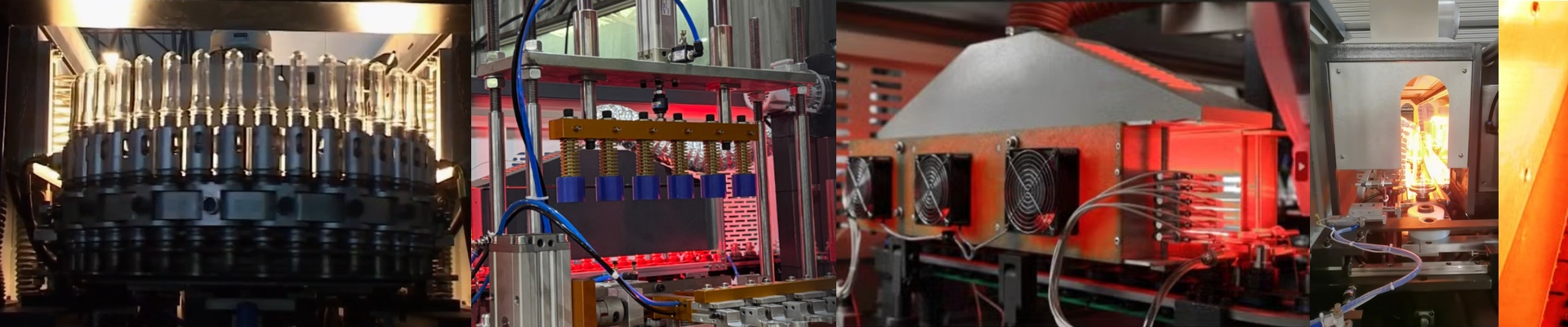
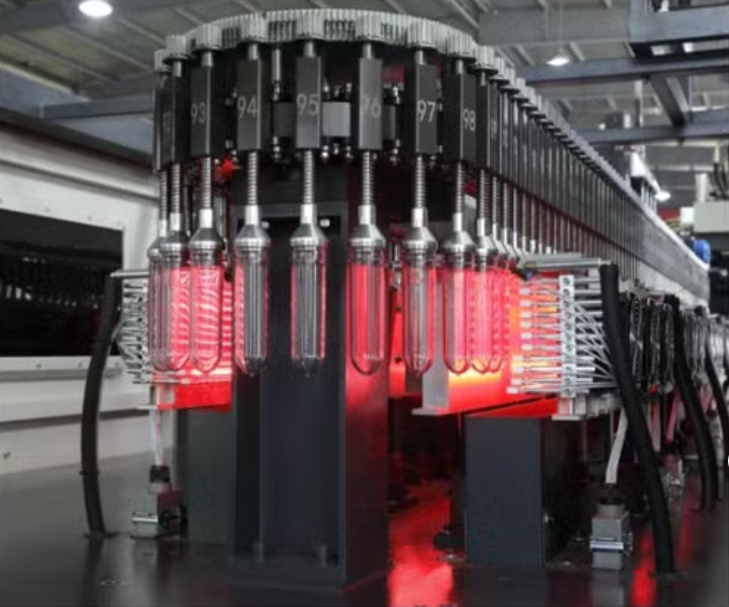
Getting the Heat Right in Your Husky HyPET System
If you’re running high-speed Husky HyPET systems, you already know that throwing more wattage at your preforms isn’t the answer. If you just crank up the power, you’ll likely end up scorching the surface of the plastic while the inside stays stubbornly cold. It’s a frustrating spot to be in.
Getting Deep Into the Plastic
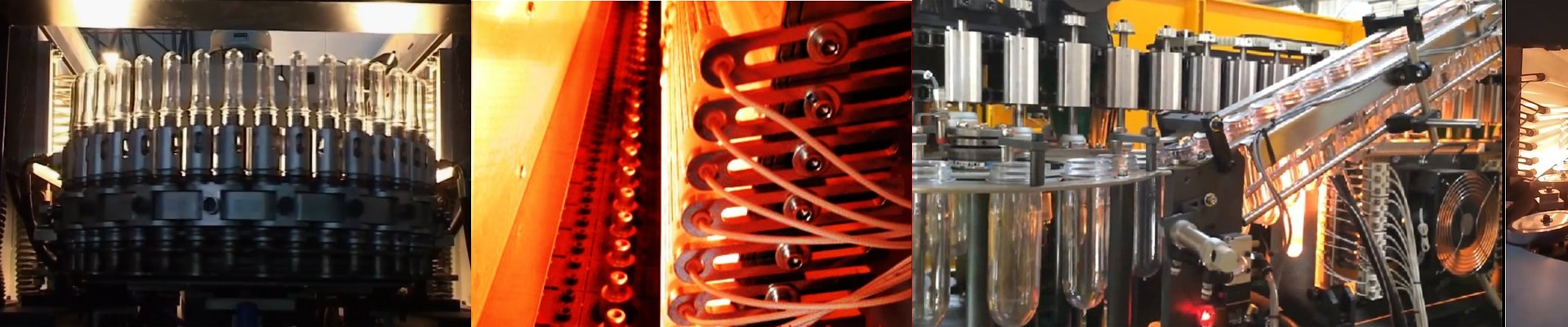
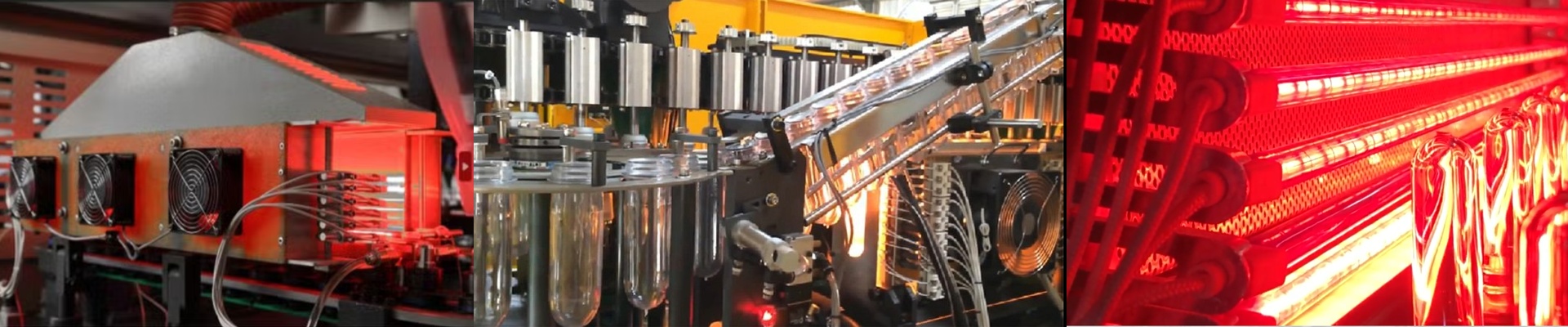
We don’t just make lamps; we focus on how the heat actually travels. By tweaking the filament and the quartz thickness, we make sure the infrared light hits the specific “sweet spot” that PET absorbs. This stops that annoying “cold core” problem. You know the one—where the outside looks perfect, but the inside is still too rigid to blow properly. When you’re running at full tilt, you don’t have time to wait for the heat to soak in slowly. You need a thermal punch that hits the mark in milliseconds.
The Gear
These are simple drop-in replacements. No fuss. We use high-purity quartz because these things take a beating during thermal cycling. We also spent a lot of time on the connectors to make sure you don’t deal with arcing at the terminals. Here’s the thing: if you try to fix poor penetration by just hiking up the wattage, you’re going to bake your oven housing. We’ve balanced the voltage and wattage so you get the most output possible without overloading your power rails.
Real Talk from the Shop Floor
When the heat actually penetrates the plastic, you can often turn down the overall oven temperature and still get a perfect blow. Your cooling fans will thank you. But a heads-up: these lamps put out some intense radiant heat. If your reflectors are dirty or pitted, a huge chunk of that energy just vanishes. Keep those reflectors polished. If they’re grimey, the lamp has to work harder and run hotter, which kills the lifespan of the tube. We build these to handle 24/7 production, but they only last if your airflow is dialed in and your reflectors are clean.