
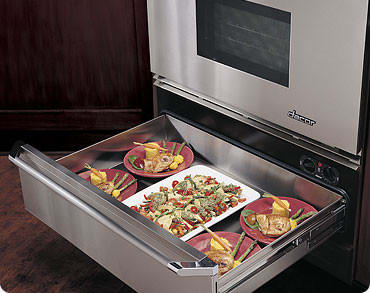
Why We Use Shortwave IR for Warming Displays
Let’s be honest: waiting for a heating element to warm up in a busy kitchen is a nightmare. When you’re in the weeds, every second counts, and traditional heaters that rely on slow air warming just don’t cut it. They’re sluggish. That’s why we went with shortwave infrared (IR) bulbs. They don’t mess around. These lamps hit their peak heat in a matter of seconds.
How it actually works
Here’s the thing about shortwave IR: it doesn’t bother heating up the air around the food. Instead, the radiation goes straight into the food itself. We use bulbs with high power density—basically packing a lot of wattage into a small quartz tube. Because of that, the filament gets hot almost instantly. The best part? You can flick the power on and off based on what’s actually happening in the kitchen. You don’t have to leave the lamp blasting at 100% just to keep things lukewarm. You use it when you need it, and you kill it when you don’t.
The nitty-gritty on the hardware
To make this work, we use high-purity quartz glass. It has to be tough because the temperature swings are brutal. We also use a halogen cycle, which keeps the filament from burning out too fast. It’s the only way to get that kind of heat without replacing bulbs every other week. Most of these use R7s or similar snap-in connectors. We did that on purpose so you can swap them out quickly without needing a degree in electrical engineering. One quick warning:**get your voltage right.**If the voltage is off, the bulb will either be weak or it’ll just pop and burn out in a few hours.
A few things to watch out for
Fast heat is great, but it’s intense. Since the bulb gets so hot so quickly, the housing around it really takes a beating. You’ll need to be smart about your reflectors and the materials you use for the chassis. If your ventilation is a bit lazy, the heat will build up and trip your thermal cut-offs. And a pro tip for the build: give your mounting brackets some breathing room. The quartz tube expands and contracts as it cycles. If you clamp it down too tight, it’ll crack. Give it some space to move.