Keeping Wet Areas Warm Without Killing Your Heaters
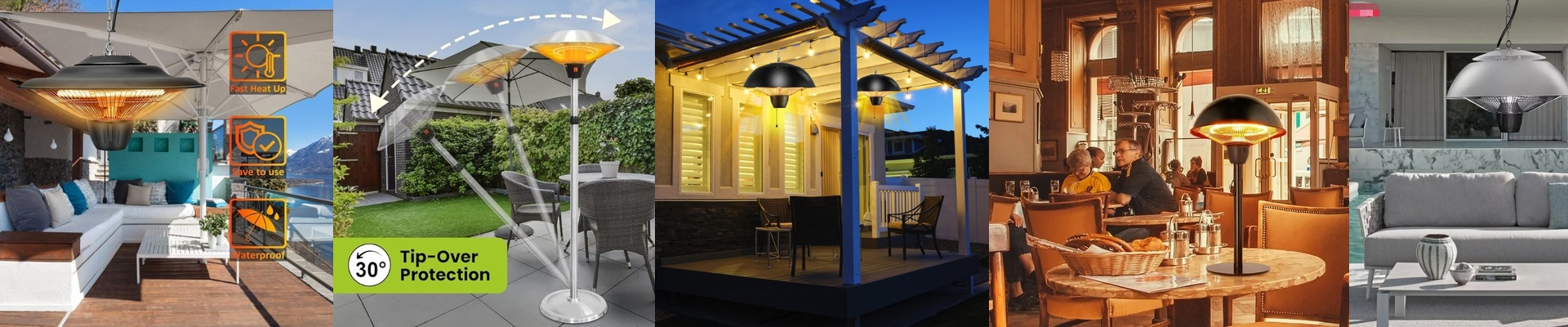
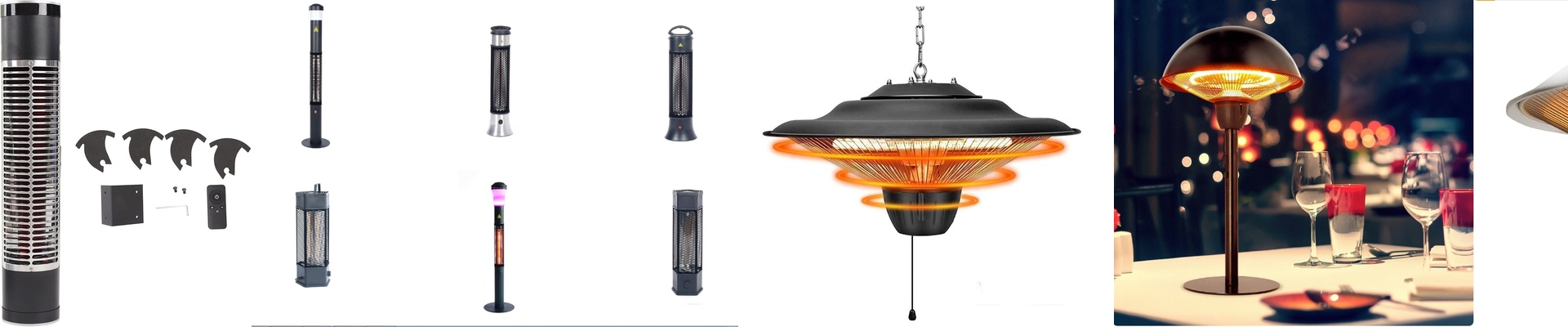
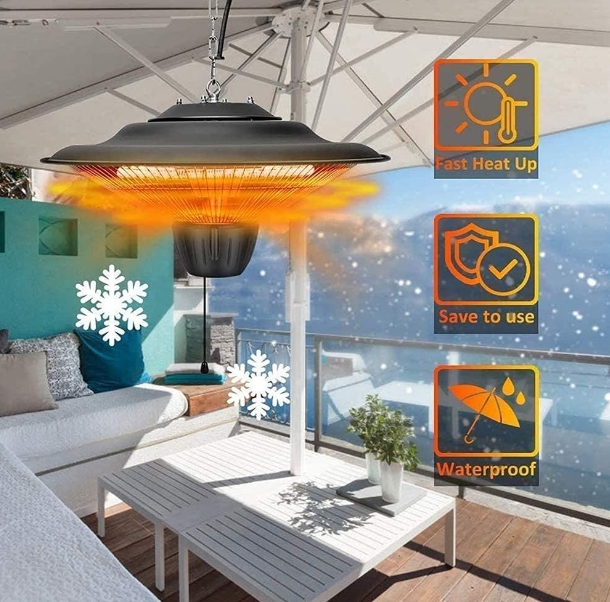
Let’s be honest: heating a changing room or a wet zone is a nightmare. Standard heaters just aren’t built for it. One bit of moisture gets into the circuits, and suddenly your heater is a very expensive paperweight. That’s why we stick with IP44-rated infrared heaters. The best part? They don’t waste time trying to warm up the air. Instead, they send out waves of heat that hit your skin and the surfaces around you directly. It feels like stepping into sunlight. Even if the room is freezing, you’ll feel that warmth the second you flip the switch. Why this actually works Most heaters rely on airflow to move warmth around. Infrared is different. It uses electromagnetic waves to move energy. We use these in spots where you can’t afford to wait twenty minutes for a room to get cozy. It’s fast. Really fast. You get a ton of heat concentrated exactly where you need it, without needing a massive machine taking up space. What “IP44” actually means for you You’ll see “IP44” on the spec sheet, but here is the real-world version: it means the unit is built to survive. The first ‘4’ keeps out small bits of debris (anything bigger than 1mm). The second ‘4’ means it can handle water splashes coming from any direction. We seal the connections and use housings that won’t rot or corrode when things get steamy. One heads-up, though: these things are power-hungry. You need a dedicated circuit. If your wiring is too thin, you’ll get voltage drops, and your heater will just feel lukewarm. Not a great experience for whoever is standing under it. A few things to watch out for Placement is everything here. If you mount them too low, you’re going to burn people. If they’re too high, the heat vanishes before it ever reaches the floor. You’ve got to do a bit of math based on the wattage and your ceiling height to find that “sweet spot.” And just a reminder—IP44 is great for splashes, but it’s not a submarine. Don’t put these where they’ll be blasted by high-pressure jets or sitting in a puddle. Do that, and you’ll kill the lamp pretty quickly.