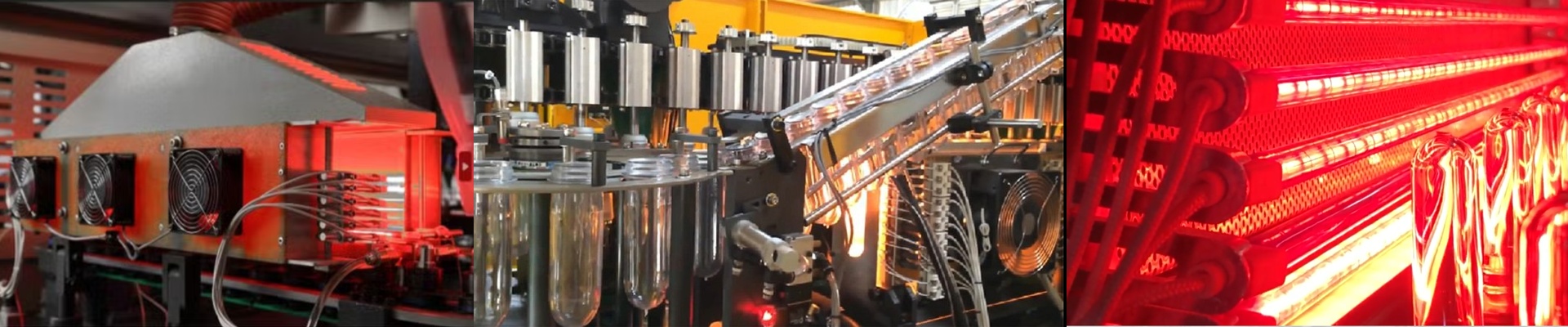
Let’s Talk About Those 250W Infrared Tubes
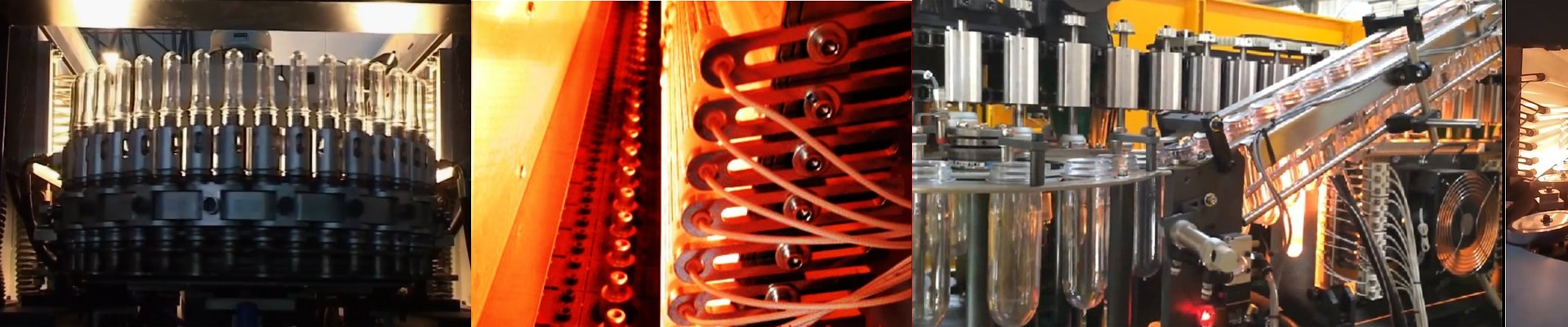
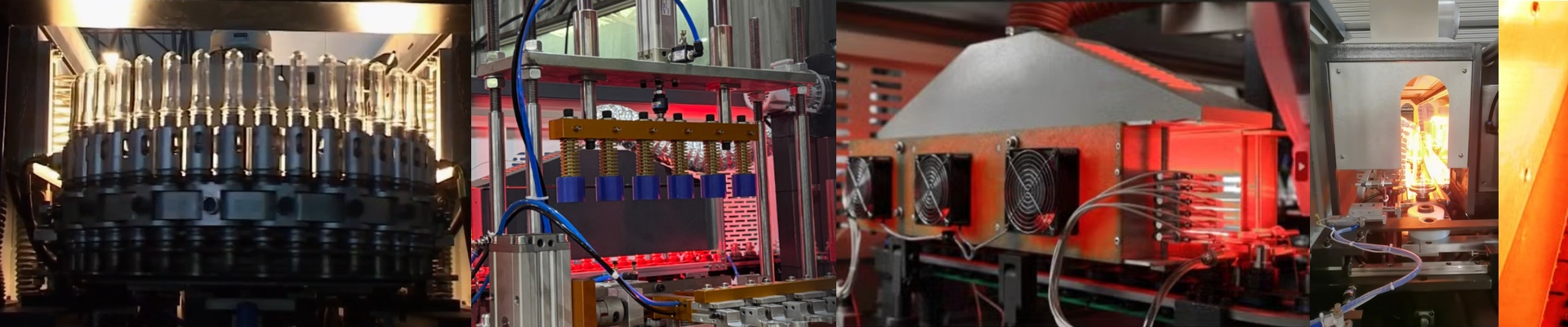
If you’re running a deck oven for 10 hours a day, you know it’s a grind. Your thermal elements are taking a beating. When a 250W infrared tube finally gives up the ghost, most people blame the wattage. But honestly? It’s usually about how the filament handles the constant heating and cooling, or whether the quartz glass is actually pure. The deal with the 250W load We use these 250W tubes for a reason. They’re perfect for hitting those specific top or bottom heat zones so your crust comes out consistent every single time. Because they use short-wave or medium-wave radiation, the heat sinks into the dough way faster than a standard convection oven. It’s a delicate balance. If the tube is too weak, you get those annoying cold spots on your deck. Too strong? You’ll burn the outside of your bread before the middle is even cooked. Materials matter more than the logo I get asked all the time if a high-quality domestic tube can actually last as long as the big-name brands. Here’s the secret: it’s all in the quartz. We use high-purity fused silica so the glass doesn’t get soft when things get screaming hot. The filament is tungsten, and we’ve dialed in the diameter specifically to survive those long 10-hour shifts without burning out early. And look, we aren’t doing any “magic” coatings here. We just focus on the seal where the lead wires meet the quartz. If that seal is sloppy, oxygen leaks in, the filament oxidizes, and your lamp is dead in a few weeks. Simple as that. The stuff they don’t tell you You can’t just ignore your electrical setup. Sure, a 250W tube is a standard drop-in replacement, but your voltage needs to be steady. If your power grid spikes, even the fanciest quartz tube is going to pop. Plus, you really want to use proper PID controllers. If your oven is aggressively clicking on and off all day, it stresses the filament. A steady, long burn is much easier on the hardware than constant rapid cycling.